


Functional assessment 2026

Get Form
functional behavior assessment Preview on Page 1

Here's how it works

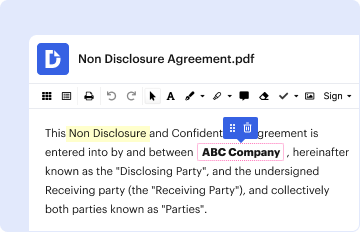
01. Edit your functional behavior assessment online
Type text, add images, blackout confidential details, add comments, highlights and more.
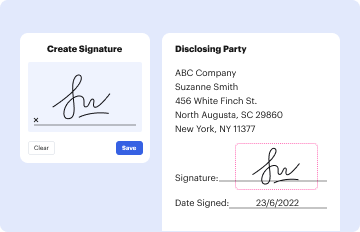
02. Sign it in a few clicks
Draw your signature, type it, upload its image, or use your mobile device as a signature pad.
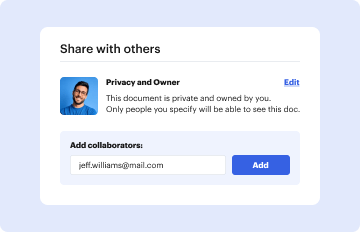
03. Share your form with others
Send functional assessment printable via email, link, or fax. You can also download it, export it or print it out.

How to use or fill out functional assessment with our platform

Form edit decoration
9.5
Ease of Setup
DocHub User Ratings on G2
9.0
Ease of Use
DocHub User Ratings on G2
  1. Click ‘Get Form’ to open the functional assessment in the editor.
  2. Begin by filling out the student information section. Enter the student's name, ID number, school, grade, gender, and birthdate. Ensure all details are accurate for effective assessment.
  3. Identify the target behavior in observable and measurable terms. Clearly state what specific behavior is being assessed to facilitate accurate data collection.
  4. Collect data on when and where the behavior occurs. Use direct observation to note predictors and consequences surrounding the behavior, ensuring you document all relevant factors.
  5. Develop a hypothesis based on collected data regarding the function of the behavior. This step is crucial for understanding why the behavior occurs.
  6. Plan interventions by outlining strategies that will be implemented to address the target behavior. Specify who will be responsible for each part of the plan.
  7. Evaluate the effectiveness of your intervention by comparing new data against baseline observations. Adjust your approach as necessary based on this evaluation.

Start using our platform today to streamline your functional assessments for free!

See more functional assessment versions

We've got more versions of the functional assessment form. Select the right functional assessment version from the list and start editing it straight away!
Versions Form popularity Fillable & printable
2006 4.8 Satisfied (23 Votes)
be ready to get more

Complete this form in 5 minutes or less

Get form

Got questions?

We have answers to the most popular questions from our customers. If you can't find an answer to your question, please contact us.
Contact us
There are three main categories of functional assessment approachesindirect (e.g., questionnaires, rating scales), observational, and experimental/functional analysis. Gathering information about the conditions surrounding the behavior, asking relevant individuals questions about the behavior are initial steps.
These assessments look at important areas like your well-being, independence, support needs, mobility, communication, self-management, learning and self-care, giving a clear picture of the supports you need to live as independently as possible.
Functional Behavior Assessments (FBAs) work to identify the cause of challenging behavior in children with an Autism Spectrum Disorder (ASD). The ultimate goal is to identify the reasons for a behavior and then find a solution. FBAs use three main methods: indirect, observational (direct), and Functional Analysis (FA).
Types of Functional Assessment Methods There are three primary methods used in conducting FBAs: indirect assessments, descriptive assessments, and functional analyses. Each of these methods offers distinct approaches to gathering relevant information. Functional Behavior Assessments in ABA discoveryaba.com aba-therapy functiona discoveryaba.com aba-therapy functiona
What is included in a functional behavior assessment? The 6-step process Step 1: Collect the data. Step 2: Analyze the data. Step 3: Develop a hypothesis. Step 4: Form a behavior support plan. Step 5: Implement a behavioral intervention plan. Step 6: Evaluate.

People also ask

Functional assessments most commonly include domains addressing activities of daily living, instrumental activities of daily living, memory and cognition, psychosocial and behavioral issues, functional health (e.g., vision, hearing, communication), and health status, as examples.
Preparing for a Functional Behavior Assessment This preparation involves gathering relevant information about the individuals behavior such as behavioral history, triggers, environmental factors, and any previous interventions attempted.

Related links