


Alaska civ735 2026

Get Form
ak civ735 Preview on Page 1

Here's how it works

01. Edit your ak civ735 online
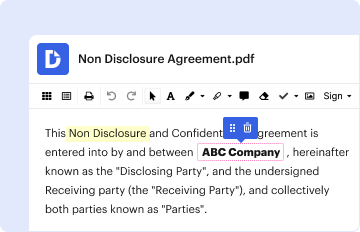
Type text, add images, blackout confidential details, add comments, highlights and more.
02. Sign it in a few clicks
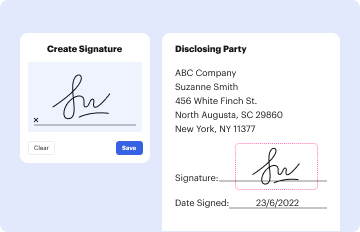
Draw your signature, type it, upload its image, or use your mobile device as a signature pad.
03. Share your form with others
Send alaska civ735 via email, link, or fax. You can also download it, export it or print it out.

How to use or fill out alaska civ735 with our platform

Form edit decoration
9.5
Ease of Setup
DocHub User Ratings on G2
9.0
Ease of Use
DocHub User Ratings on G2
  1. Click ‘Get Form’ to open the alaska civ735 in the editor.
  2. Begin by entering your name and the case number at the top of the form. Ensure that all information is accurate to avoid delays.
  3. In section 1, indicate whether you admit or deny the plaintiff's entitlement to eviction. Provide a brief explanation for your choice in the defenses section.
  4. For section 2, specify any unpaid rent or damages. Clearly state amounts owed if you admit to them, or provide reasons for denial.
  5. In section 3, outline your defenses against eviction. Be specific about any improper notices or issues with rent claims.
  6. If applicable, detail any counterclaims in section 4, including reasons and amounts you believe are owed to you by the plaintiff.
  7. Finally, complete the request for relief in section 5, stating what you seek from the court clearly and concisely.
  8. Sign and date the form at the bottom before submitting it as instructed.

Start using our platform today to fill out your alaska civ735 form easily and for free!

See more alaska civ735 versions

We've got more versions of the alaska civ735 form. Select the right alaska civ735 version from the list and start editing it straight away!
Versions Form popularity Fillable & printable
2004 4.8 Satisfied (62 Votes)
be ready to get more

Complete this form in 5 minutes or less

Get form

Got questions?

We have answers to the most popular questions from our customers. If you can't find an answer to your question, please contact us.
Contact us
The State of Alaska no longer offers the homestead and homesite programs of the 1970s, 1980s, and 1990s that allowed people to claim land. As an alternative to these programs, DNR offers the Remote Recreational Cabin Sites Staking Program to Alaska residents.
Squatting, or occupying unused land without the owners permission, can still occur in Alaska. However, squatters have rights only if they meet strict conditions under adverse possession laws over an extended period.
ing to Anderson Advisors, squatters rights are created largely to protect the occupants of a property from being removed by force without legal due process. They also work to reduce waste by incentivizing the rightful property owner to stay current on property taxes and make productive use of their property.
Rule 37 - Failure To Make Disclosure Or Cooperate In Discovery: Sanctions (a)Motion for Order Compelling Disclosure or Discovery. A party, upon reasonable notice to other parties and all persons affected thereby, may apply for an order compelling disclosure or discovery as follows: (1)Appropriate Court.
Although homesteading itself is no longer a thing, some people still try to live that lifestyle of working and living off the land. We will always cherish the fact that homesteading is an important part of Alaskas culture and history.

Security and compliance

At DocHub, your data security is our priority. We follow HIPAA, SOC2, GDPR, and other standards, so you can work on your documents with confidence.

Learn more
ccpa2
pci-dss
gdpr-compliance
hipaa
soc-compliance

People also ask

Rule 77 - Motions (a)Service. All motions, orders to show cause, petitions, applications and every other such matter shall be served upon the adverse party, or, after the adverse party has appeared by counsel, upon counsel for the adverse party.
In Alaska, squatters can potentially claim legal ownership of an abandoned property through a legal concept called adverse possession. Adverse possession allows a person to acquire title ownership of real property by occupying the land continuously for a statutory period of time.

Related links