HIV PERINATAL EXPOSURE REPORT FORM Preview on Page 1

HIV PERINATAL EXPOSURE REPORT FORM 2026

Here's how it works

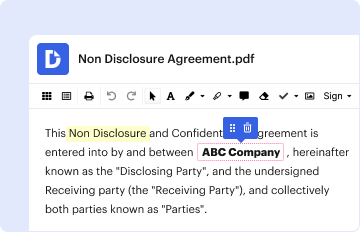
  • 01. Edit your form online

    Type text, add images, blackout confidential details, add comments, highlights and more.

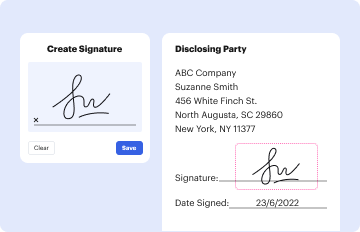
  • 02. Sign it in a few clicks

    Draw your signature, type it, upload its image, or use your mobile device as a signature pad.

  • 03. Share your form with others

    Send it via email, link, or fax. You can also download it, export it or print it out.

How to use or fill out HIV PERINATAL EXPOSURE REPORT FORM with our platform

Form edit decoration
9.5
Ease of Setup
DocHub User Ratings on G2
9.0
Ease of Use
DocHub User Ratings on G2
  1. Click ‘Get Form’ to open the HIV PERINATAL EXPOSURE REPORT FORM in the editor.
  2. Begin by entering the REPORT DATE and the REPORTING FACILITY at the top of the form. Ensure all information is accurate for proper documentation.
  3. In the Patient Information section, fill in the patient's full name, including first, last, and maiden names. Provide their address details, date of birth, phone number, date of pregnancy diagnosis, and estimated delivery date.
  4. For Treatment Information, indicate if the patient is currently on antiretroviral therapy (ARVs) for HIV by selecting 'Yes', 'No', or 'Unknown'. Enter the HIV Diagnosis Date and most recent viral load details.
  5. Complete any concerns regarding housing, transportation, nutrition/food assistance, medication adherence, substance abuse, mental health, or other issues by checking applicable boxes.
  6. Finally, fill in your name and phone number as the person completing the form. Review all entries for accuracy before submission.

Start using our platform today to easily complete your HIV PERINATAL EXPOSURE REPORT FORM online for free!

See more HIV PERINATAL EXPOSURE REPORT FORM versions

We've got more versions of the HIV PERINATAL EXPOSURE REPORT FORM form. Select the right HIV PERINATAL EXPOSURE REPORT FORM version from the list and start editing it straight away!

VersionsForm popularityFillable & printable
20184.9 Satisfied (31 Votes)

be ready to get more

Complete this form in 5 minutes or less

Got questions?

We have answers to the most popular questions from our customers. If you can't find an answer to your question, please contact us.

Perinatal, or mother-to-child HIV transmission happens when a pregnant person living with HIV passes HIV to their baby. It can happen during pregnancy, delivery, and through breastfeeding.
Types of HIV test blood test where a sample of blood is taken in a clinic and sent for testing in a laboratory. Results are usually available on the same day or within a few days. point of care test where a sample of saliva from your mouth or a small spot of blood from your finger is taken in a clinic.
Prepare by gathering HIV-related information, creating an appropriate environment, and arranging support for your children. Find a time to disclose that is free from interruptions and appointments. Try to be as relaxed and positive as possible before the conversation begins.
ICD-10 code O98. 7 for Human immunodeficiency virus [HIV] disease complicating pregnancy, childbirth and the puerperium is a medical classification as listed by WHO under the range - Pregnancy, childbirth and the puerperium .
Dating someone with HIV? Ensure your partner is taking antiretroviral (ARV) medication. Make sure your partner takes the medication exactly as prescribed. Check that your partner attends all scheduled appointments with their doctor. Know your partners viral load. Use s correctly and consistently.

Security and compliance

At DocHub, your data security is our priority. We follow HIPAA, SOC2, GDPR, and other standards, so you can work on your documents with confidence.

People also ask

While it can be extremely difficult to disclose information about HIV to children, it is better to tell your children as early as you can, especially once they start asking questions. It is usually easier to tell the truth than to try to cover up the diagnosis.

Related links

AAUS guidelines 2021 revision sexually transmitted infection (STIs

World Health Organization (WHO) declared STI as one of five types of disease for which adults around the world most commonly seek medical help.

Learn more
If you believe that this page should be taken down, please follow our DMCA take down process here