




Here's how it works
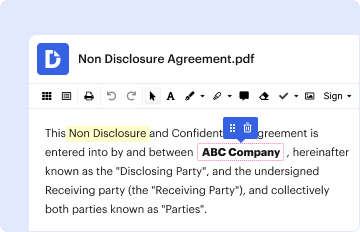
01. Edit your fraud form online
Type text, add images, blackout confidential details, add comments, highlights and more.
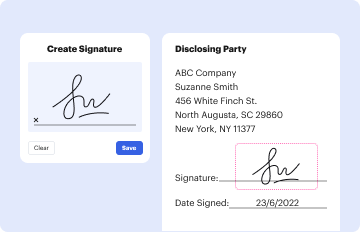
02. Sign it in a few clicks
Draw your signature, type it, upload its image, or use your mobile device as a signature pad.

03. Share your form with others
Send fraud report form via email, link, or fax. You can also download it, export it or print it out.
How to use or fill out California Fraud Form with DocHub

- Click ‘Get Form’ to open the California Fraud Form in our editor.
- Begin by entering the case number and short title at the top of the form. This information is crucial for identifying your case.
- In section FR-1, provide the plaintiff's name and the defendant's name, along with the date of the alleged fraud. Ensure accuracy as this sets the context for your claims.
- Proceed to section FR-2, where you will detail how the defendant defrauded you. Specify whether it was through intentional or negligent misrepresentation, and attach any supporting documents as needed.
- Continue filling out sections FR-3 and FR-4, focusing on concealment and promises made without intent to perform. Clearly articulate your reliance on these actions in section FR-5.
- Finally, describe any damages incurred in section FR-6 and include any additional relevant information in FIR-7.
Start using our platform today to fill out your California Fraud Form easily and for free!
Fill out california fraud form online
It's free
It's free
See more california fraud form versions
We've got more versions of the california fraud form form. Select the right california fraud form version from the list and start editing it straight away!
| Versions | Form popularity | Fillable & printable |
|---|---|---|
| 2007 | 4.8 Satisfied (136 Votes) |
Got questions?
We have answers to the most popular questions from our customers. If you can't find an answer to your question, please contact us.
Contact us
How do I report fraud to Covered California?
Report any suspected fraud to Covered California: Call (800) 300-1506 or email consumerprotection@covered.ca.gov. A checklist for identity theft victims is available from the California Office of the Attorney General: .oag.ca.gov/ idtheft/facts/victim-checklist. or call (877) FTC-HELP.
What three elements are required to prove fraud?
What three elements are required to prove fraud? False representation of fact. The first element involves a false representation of a material fact, and this means that one party knowingly made a false statement about something docHub. Knowledge and intent. The second element is intent. Harm or damages.
How to file a fraud case in California?
File a complaint online at .dca.ca.gov or call 800.952. 5210 to have a complaint form mailed to you. California Attorney Generals Office. File a complaint online at .
How much money is considered fraud in California?
Grand Theft by Fraud: If convicted of grand theft under California Penal Code 487, individuals can face up to three years in state prison. Grand theft involves property valued at over $950. It is classified as a felony, which explains the lengthy prison sentence even when relatively small amounts of money are involved.
Who do I report fraud to in California?
If you think a business has committed fraud or a crime, please tell your local district attorneys office or your City Attorney. If you need legal advice or representation, we suggest that you consult with an attorney.
Security and compliance
At DocHub, your data security is our priority. We follow HIPAA, SOC2, GDPR, and other standards, so you can work on your documents with confidence.
Learn more


People also ask
What is required for the Statute of fraud in California?
To be sufficient as a memorandum within the Statute of Frauds, the required writing must state with reasonable certainty each party to the contract, the subject matter to which the contract relates, and the terms and conditions of all promises constituting the contract and by whom and to whom the promises are made.
What are the five things needed for fraud?
If a prosecutor wants to persuade a court to convict you of fraud they will have to show that all of the following five things were true: You provided a false statement as a material fact. You knew the information was incorrect. You intended to deceive the victim. The victim relied on your false statement.
What types of evidence are needed to report fraud?
This section briefly discusses the primary types of evidence in corruption and fraud cases, which are: Witness statements. Documents and data. Real evidence, such as sample construction materials from a road site. Demonstrative evidence such as photos, charts and graphs.