
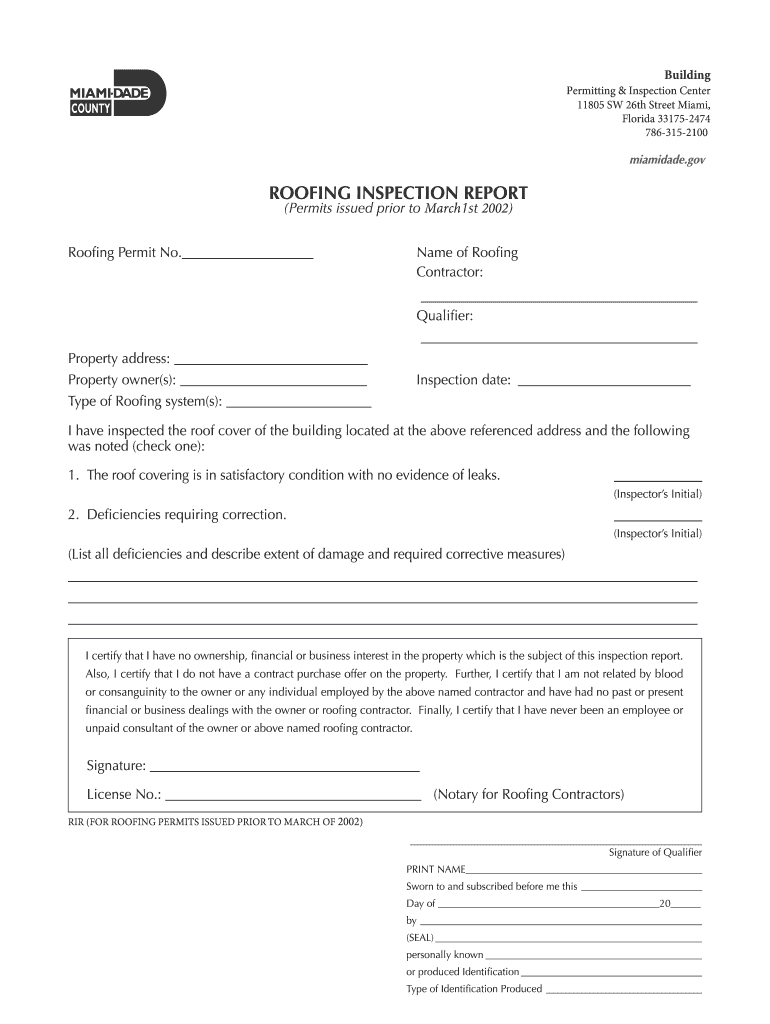







Understanding the Roofing Inspection Report
The roofing inspection report is a crucial document outlining the findings of a detailed inspection performed on a roof. This report usually includes critical information such as structural integrity, materials used, and any observed deficiencies. It plays an essential role in real estate transactions, insurance claims, and construction evaluations.
Key Elements of the Roofing Inspection Report
A standard roofing inspection report typically includes multiple essential components:
-
Inspector's Information: Name, contact information, and verification of certification or qualifications. This ensures credibility and transparency.
-
Property Details: Address of the property, type of the building (residential or commercial), and other identifying details of the inspected structure.
-
Inspection Findings: A detailed account of the roof's condition, including material types, installation quality, maintenance concerns, and any potential hazards.
-
Recommendations for Repairs or Replacements: Suggestions based on findings to address deficiencies. This may also include an estimation of costs if repairs are needed.
-
Photographic Documentation: Images of critical areas of concern or significant findings, which provide visual proof of conditions noted in the report.
These elements ensure that both property owners and potential buyers have a clear understanding of the roof's condition and any necessary actions.
Legal Use of the Roofing Inspection Report
Roofing inspection reports are often utilized in various legal and regulatory contexts. Understanding their legal significance is vital for all stakeholders:
-
Real Estate Transactions: Buyers typically request a roofing inspection report as part of their due diligence to identify any potential maintenance issues that could influence their purchasing decision.
-
Insurance Claims: This document can be crucial when filing a claim due to damage or wear. It provides an objective assessment that can help substantiate the claim.
-
Regulatory Compliance: Certain municipalities may require roofing inspections for compliance with building codes or regulations, especially during renovations or new constructions.
The legal validity of these reports relies heavily on the qualifications of the inspector and adherence to local laws governing inspections.
Steps to Complete the Roofing Inspection Report
Filling out a roofing inspection report requires a structured approach to ensure all necessary details are captured:
-
Prepare for the Inspection: Gather all relevant property details, including blueprints, previous inspection reports, and maintenance records.
-
Conduct the Inspection: Perform a thorough visual inspection of the roof, looking for signs of damage, wear, or malfunction. It's essential to check flashings, gutters, and other components.
-
Document Findings: Record observations meticulously. Use standardized terminology to describe conditions (e.g., “missing shingles” or “ponding water”).
-
Photographic Evidence: Take clear photos of notable areas and attach these to the report for visual reference.
-
Compile Recommendations and Conclusions: Based on the gathered data, outline necessary repairs or maintenance steps along with any safety warnings regarding potential hazards.
-
Finalize the Report: Ensure that the document is legibly completed, signed, and dated by the inspector.
By following these steps, inspectors can create thorough and credible roofing inspection reports.
Important Terms Related to the Roofing Inspection Report
Familiarizing oneself with relevant terminology can enhance the understanding and effectiveness of a roofing inspection report:
-
Deficiencies: Any issues discovered during the inspection that may compromise the functionality or safety of the roof.
-
Material Types: Different substrates used in roofing, such as shingles, metal, and tiles, each with unique characteristics and lifespans.
-
Flashing: Components installed to direct water away from critical areas of the roof, which can be prone to leaks if damaged or improperly installed.
Items in this glossary can significantly aid in interpreting the findings of the report, ensuring all parties understand the implications of the inspector's observations.
Examples of Using the Roofing Inspection Report
Roofing inspection reports can be applied in various scenarios, demonstrating their versatility:
-
Home Buying Process: A buyer receives a roofing inspection report that reveals significant issues, allowing them to negotiate repairs or a lower price with the seller before finalizing the purchase.
-
Insurance Claim Submission: A homeowner files a claim after storm damage, supported by a recent roofing inspection report that verifies pre-existing conditions and damage.
-
Annual Maintenance Check: Property managers use roofing inspection reports to create maintenance schedules, prioritize repairs, and budget for upcoming roof replacements.
In each case, the report serves as a tool for decision-making, negotiation, and financial planning, highlighting its importance in property management.
Examples and Templates for Roofing Inspection Reports
Using standardized templates can facilitate the efficient completion of roofing inspection reports:
-
Roof Inspection Report Template (Word): This document allows for easy customization with specific property details and inspector credentials.
-
Roof Inspection Report Example PDFs: These documents serve as practical illustrations of how completed inspection reports look, providing a reference point when drafting new reports.
-
Flat Roof Inspection Report Template: Tailored for flat roofing systems that often require specialized assessment criteria.
Using templates can streamline the process and ensure consistency across multiple reports, vital for ongoing inspections or assessments.




