



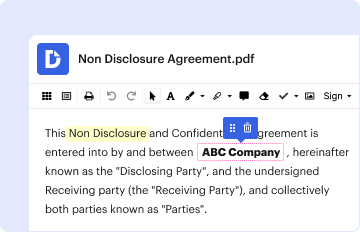
01. Edit your bill of lading formato online
Type text, add images, blackout confidential details, add comments, highlights and more.

Type text, add images, blackout confidential details, add comments, highlights and more.
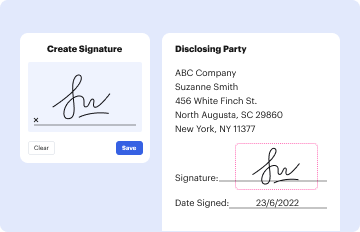
Draw your signature, type it, upload its image, or use your mobile device as a signature pad.
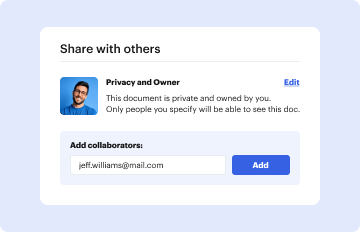
Send ocean bill of lading template via email, link, or fax. You can also download it, export it or print it out.
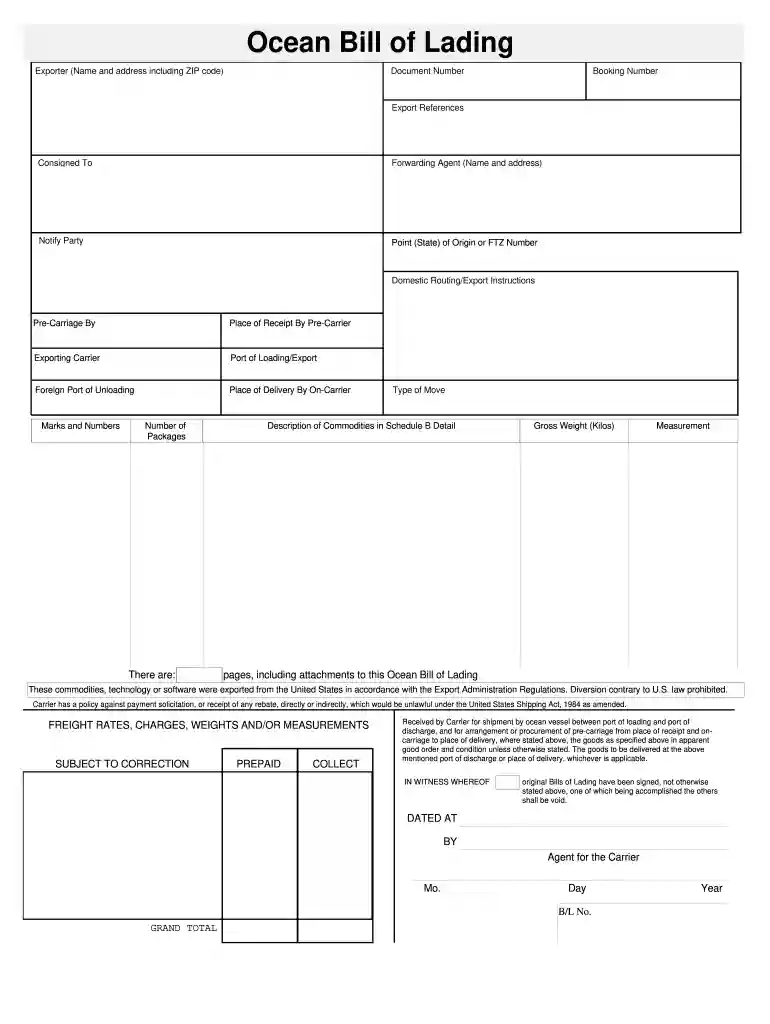
An ocean bill of lading template is a standard document used in international shipping to serve multiple functions, including as a receipt for goods, a contract of carriage, and a document of title. Each template encapsulates essential elements such as the shipper's and consignee's details, shipment instructions, descriptions of commodities, and any legal disclaimers relevant to U.S. export regulations.
This document is pivotal for ensuring that all parties involved in the shipping process understand their responsibilities and obligations. Moreover, it facilitates the smooth transit of goods across international waters while adhering to shipping laws. The ocean bill of lading also categorizes the payment terms regarding freight, specifying whether charges will be collected at origin or destination.
Consider a shipping scenario where a manufacturer in the U.S. exports textiles to a retailer in Europe. The ocean bill of lading template will clearly define who is responsible for customs clearance and the consequences of non-compliance with international shipping standards.
Understanding the key elements within an ocean bill of lading template is crucial for effective document processing. The following components should be present:
Each of these elements ensures that the transaction is legally compliant and that both the shipper and the consignee are clear about their respective roles and obligations throughout the shipping process.
Completing an ocean bill of lading template effectively requires careful attention to detail. Here are the steps to follow:
Gather Required Information: Collect all necessary details about the shipment, including contact information for the shipper and consignee, product descriptions, and shipping instructions.
Select the Appropriate Template: Choose a format that aligns with your shipping needs, whether it be a digital version or a paper template.
Fill in Shipper and Consignee Information: Enter the full names, addresses, and contact numbers of both parties.
Describe the Goods: Accurately describe the items being shipped, including weight, volume, and any other relevant metrics.
Include Shipping Details: Specify the vessel name, voyage number, and the place of loading and discharge.
Review Freight Payment Terms: Clearly state how and when the shipping charges will be paid.
Check for Compliance: Ensure all entries comply with relevant U.S. and international shipping laws.
Sign and Date the Document: Before dispatching, have the necessary parties sign the document to confirm its validity.
By following these steps, users can ensure that their ocean bill of lading accurately reflects the details of the shipment and meets all legal requirements.
Understanding the terminology associated with ocean bills of lading is essential. Here are some key terms to know:
Familiarity with these terms not only aids in the correct completion of the document but also enhances communication among all parties involved in the shipping process.
Real-world applications of the ocean bill of lading template can vary significantly based on the industry and shipping requirements. Here are a few examples:
Electronics Shipment: A company shipping computers will use the template to detail sensitive item descriptions, along with special handling instructions due to their fragility.
Bulk Shipping: A supplier of raw materials might complete a bill of lading for larger quantities, focusing on measurements in tons rather than units, providing detailed tracking information for bulk cargo.
Exporting perishable goods: Businesses dealing with food items need to include details about temperature control during transport, indicating urgency and special handling conditions directly on the bill.
These examples underscore the versatility of the ocean bill of lading template, showcasing how it must adapt to the specific needs and characteristics of different types of shipments.
We've got more versions of the bill of lading formato form. Select the right bill of lading formato version from the list and start editing it straight away!
| Versions | Form popularity | Fillable & printable |
|---|---|---|
| 2000 | 3.9 Satisfied (35 Votes) |
At DocHub, your data security is our priority. We follow HIPAA, SOC2, GDPR, and other standards, so you can work on your documents with confidence.




You may: Reschedule and Cancel. Add additional shipments (PROs). Remove shipments (PROs). Modify ARN number (applies to Collect shipments only). Read more
Web download and customize various bill of lading templates for different shipping scenarios, such as ocean, trucking, air, or auto transport. The Pdf
Welcome to the Ocean House Bill of Lading FAQ page. To see the answer to one of the questions listed below, click the arrow next to that question.


