




Here's how it works
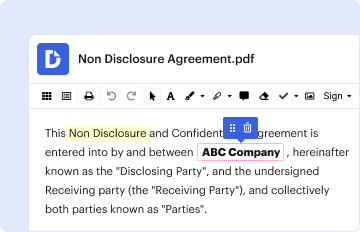
01. Edit your form online
Type text, add images, blackout confidential details, add comments, highlights and more.
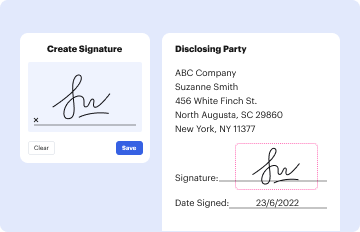
02. Sign it in a few clicks
Draw your signature, type it, upload its image, or use your mobile device as a signature pad.
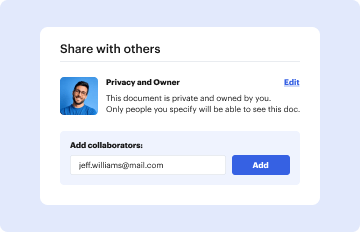
03. Share your form with others
Send it via email, link, or fax. You can also download it, export it or print it out.
How to use or fill out request and writ for garnishment non periodic michigan form with DocHub

- Click ‘Get Form’ to open it in the editor.
- Begin by entering your personal information in the designated fields, including your name, address, and contact details. This ensures that all parties involved can be easily reached.
- Next, provide the details of the debtor. Fill in their name and address accurately to avoid any issues with the garnishment process.
- In the section regarding the amount owed, clearly specify the total amount you are seeking to garnish. Be precise to ensure clarity in your request.
- Review any additional sections that may require specific information about the type of debt or judgment. Make sure all relevant details are included.
- Finally, sign and date the form electronically using our platform’s signature feature. This step is crucial for validating your request.
Start using our platform today to complete your request and writ for garnishment non periodic Michigan form quickly and efficiently!
Fill out request and writ for garnishment non periodic michigan form online
It's free
It's free
See more request and writ for garnishment non periodic michigan form versions
We've got more versions of the request and writ for garnishment non periodic michigan form form. Select the right request and writ for garnishment non periodic michigan form version from the list and start editing it straight away!
Got questions?
We have answers to the most popular questions from our customers. If you can't find an answer to your question, please contact us.
Contact us
What is a non-periodic writ of garnishment in Michigan?
A non-periodic garnishment is used to garnish the defendants bank account or other property. Once money has been garnished under the non-periodic writ, the writ is no longer valid. If there is a remaining balance on the judgment, you must get another writ to collect more money.
How long is a periodic garnishment good for in Michigan?
A periodic writ of garnishment - MC 12 is used to garnish the defendants wages, rent payments, land contract payments, or other debt which is paid to the defendant on a periodic basis. A periodic garnishment is valid for up to 91 days or until the judgment, interest, and costs are paid off, whichever occurs first.
What is the difference between periodic and non-periodic garnishment?
An installment payment plan only stops periodic garnishment, such as wages. Your creditor can still get a non-periodic garnishment, such as a garnishment of your bank account or state tax refund. If you miss a payment, then your creditor can ask the court to set aside the installment payment plan and begin to garnish.
What happens after a writ of garnishment is filed?
Issuance of Writ of Garnishment After the request is filed, the court clerk or a judge signs the Request, and it becomes a Writ of Garnishment. The Writ of Garnishment orders the employer to hold any property (typically wages) of the employee that the employer has at the time the Writ is filed.
What is the most common type of garnishment?
Child support is the most common wage garnishment in the United States, but its not the only reason an employer may receive a garnishment order. Other examples include: Creditor garnishments. Bankruptcy.
Security and compliance
At DocHub, your data security is our priority. We follow HIPAA, SOC2, GDPR, and other standards, so you can work on your documents with confidence.
Learn more


People also ask
Which type of garnishment order usually takes precedence?
For example, child support and tax-related garnishments take precedence regardless of when the notice is served. Against tax or child support wage garnishments, other debts such as consumer debt or defaulted loans will be delayed, or their repayment rate will be reduced if an employees wages can accommodate it.