



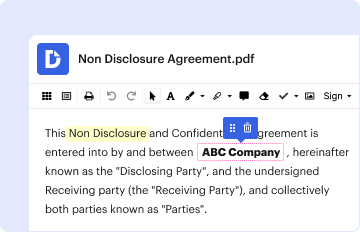
01. Edit your bbs weekly log of experience hours online
Type text, add images, blackout confidential details, add comments, highlights and more.

Type text, add images, blackout confidential details, add comments, highlights and more.
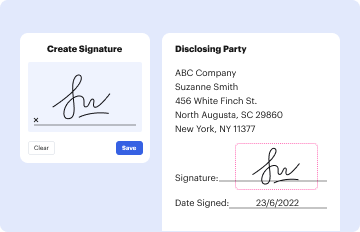
Draw your signature, type it, upload its image, or use your mobile device as a signature pad.
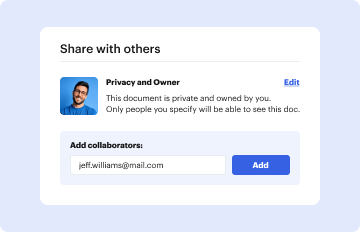
Send weekly log of experience hours bbs example via email, link, or fax. You can also download it, export it or print it out.
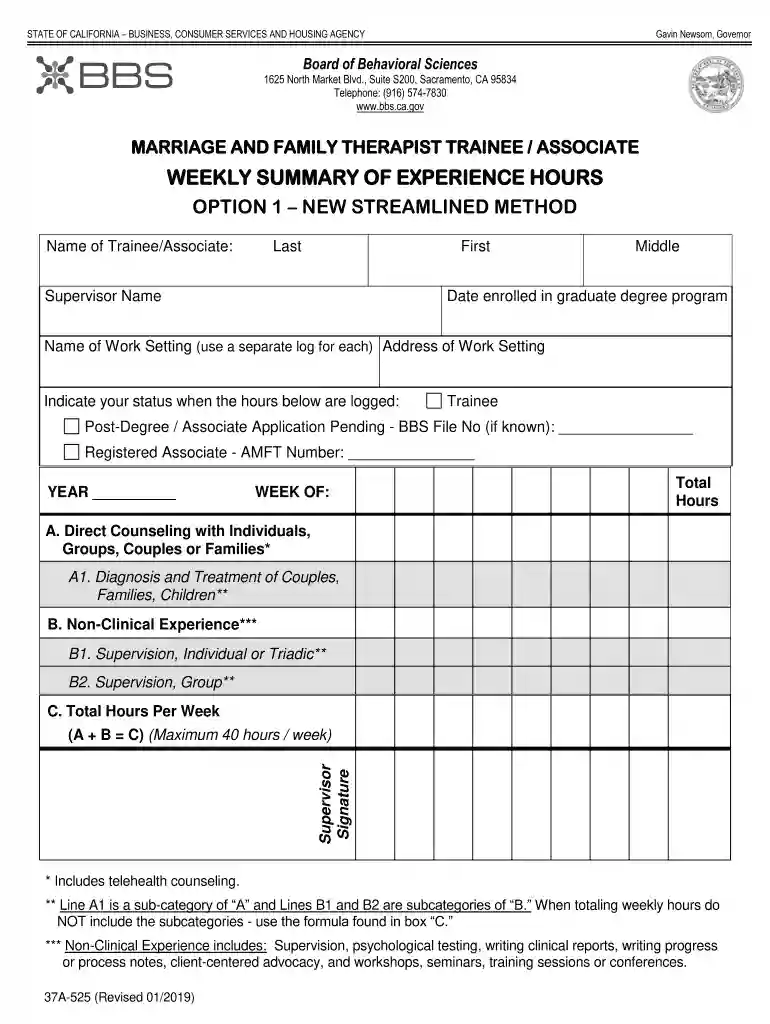
The BBS Weekly Summary of Hours is a crucial document developed for Marriage and Family Therapist Trainees and Associates in California. It serves to track and report the relevant experience hours that these individuals accumulate through counseling and non-clinical activities. This form is essential for maintaining compliance with the Board of Behavioral Sciences (BBS) requirements, ensuring that trainees and associates accurately log their supervised hours while progressing towards licensure.
Understanding the meaning of this form entails recognizing its role in documenting various experience categories. The primary purpose is to provide a comprehensive summary of the hours worked, categorized into different types of activities including direct client contact, supervision, and other related professional development tasks. This summary facilitates the verification process by supervisors, as it ensures that all logged hours align with the established guidelines set forth by the BBS.
Completing the BBS Weekly Summary of Hours involves several clear steps that trainees and associates must follow to ensure accuracy and compliance. Here is a detailed breakdown of the required process:
Gather Necessary Information: Collect all relevant data such as the dates of service, total hours worked, and specific activities performed during the week. This could encompass direct therapy sessions, supervision meetings, and other relevant training activities.
Fill Out the Personal Information Section: Start by entering personal details including your name, license number (if applicable), and contact information. This assists in identifying you within the BBS system.
Log Hourly Breakdown: Categorize your hours into appropriate sections:
Supervisor Verification: Signature or initial from a qualified supervisor is mandatory. They must attest to the accuracy of the logged hours and your performance.
Review for Accuracy: Cross-check all entries for numerical accuracy and alignment with BBS regulations before finalizing the document.
Submission: Depending on your clinical training site, the summary may need to be submitted directly to the BBS or retained for personal records.
This structured approach simplifies the documentation process, ensuring compliance with BBS standards.
Understanding key terms associated with the BBS Weekly Summary of Hours is vital for effective documentation. Here are some important definitions:
Direct Client Contact: This refers to hours spent providing therapy or counseling directly to clients. It is often the most heavily weighted component of the summary.
Supervision Hours: Hours spent in supervision with a licensed professional, essential for receiving guidance and feedback as part of the training process.
Non-Clinical Activities: These include training sessions, workshops, and administrative tasks that contribute to professional development but do not involve direct client interaction.
BBS Compliance: Refers to adherence to the laws and regulations set by the Board of Behavioral Sciences, ensuring that documented experiences meet the established standards for licensure.
Trainee or Associate: Individuals currently pursuing their licensure who log hours under the tutelage of a licensed supervisor.
This terminology helps clarify expectations and standards for completing the weekly summary of hours.
The BBS Weekly Summary of Hours is primarily utilized by:
Marriage and Family Therapist Trainees: Individuals in training who are accumulating experience hours under supervision to fulfill degree and licensing requirements.
Associates: Those who have completed their degree but are still active in gaining the required supervised hours for full licensure.
Supervisors: Licensed professionals who oversee trainees and associates, verifying their logged hours and ensuring compliance with BBS standards.
Academic Institutions: Schools and universities may use this summary to monitor the progress of their graduate students and ensure they are adequately accumulating necessary practice hours.
This collection of users underscores the diverse roles involved in the journey toward becoming a licensed therapist in California.


A well-structured BBS Weekly Summary of Hours should contain the following essential components:
Personal Information: Identification fields that include the trainee's or associate's name, license number, and contact details.
Weekly Activity Log: A detailed section where trainees log each type of activity performed, categorized for clarity (e.g., direct contact, supervision).
Total Hours Calculation: A summary section that aggregates total hours across different categories, ensuring clarity in reporting.
Supervisor Verification: An area for the supervisor to sign and date, verifying that the information logged is accurate and reflective of the trainee's experience.
Compliance Statement: An acknowledgment that the information is true and in adherence to BBS regulations.
These elements must be meticulously filled out to ensure the document fulfills its intended purpose.
The BBS Weekly Summary of Hours holds legal significance as it is essential for meeting the regulations set forth by the Board of Behavioral Sciences. Proper documentation is crucial for various reasons:
Licensure Requirements: Accurate completion is necessary to demonstrate compliance with BBS mandates, ensuring that trainees and associates meet their required hours for licensure.
Accountability: The summary serves as a record that can be scrutinized for transparency, holding both trainees and supervisors accountable for documented hours.
Legal Protection: In the event of disputes regarding hours logged or the quality of supervision, this documentation serves as an official record, providing evidence in legal matters.
Adhering to these legal standards is essential for future professional practice and maintaining one's standing with regulatory bodies.
At DocHub, your data security is our priority. We follow HIPAA, SOC2, GDPR, and other standards, so you can work on your documents with confidence.
Includes telehealth counseling. ** Line A1 is a sub-category of A and Lines B1 and B2 are subcategories of B. When totaling weekly hours do.
WEEKLY LOG OF. EXPERIENCE HOURS. Use a * Line A1 is a sub-category of A and Lines B1 and B2 are subcategories of B. When totaling weekly hours do.Read more


