Understanding the Tenant Lease Verification Form
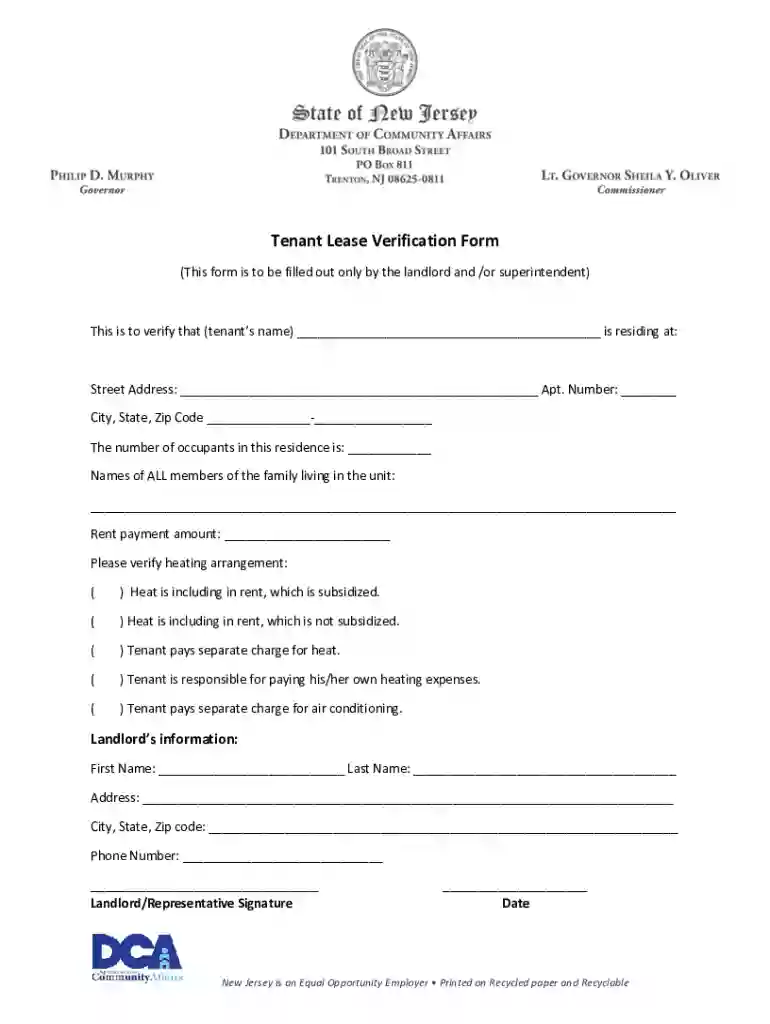
The Tenant Lease Verification Form is a critical document used primarily by landlords and housing authorities to confirm the residency details of individuals renting a property. This form typically details essential tenant information such as the tenant's name, the property address, the number of occupants, the rent payment terms, and heating arrangements.
Purpose of the Tenant Lease Verification Form
This form serves multiple purposes within residential property management:
- Validation of Residency: Landlords use the form to verify a tenant's current residency status and associated details.
- Facilitating Rentals: Housing programs may require verification of tenancy to assess eligibility for government assistance or rental programs.
- Documentation for Legal Matters: The form can function as a vital record in disputes regarding tenancy or evictions.
Key Elements of the Tenant Lease Verification Form
The Tenant Lease Verification Form typically includes several key sections:
- Tenant Information: This includes the tenant's full name, contact details, and the duration of residency.
- Property Details: Information regarding the rental property, including the address and any specifics regarding the units or buildings involved.
- Landlord Information: Details about the landlord or management company, including contact information and any relevant identification.
- Signature Requirement: Verification of the information provided necessitates a signature from the landlord or authorized representative, ensuring that all details are accurate.
How to Use the Tenant Lease Verification Form
The process for utilizing the Tenant Lease Verification Form effectively involves a series of steps:
- Obtain the Form: Access the form from reliable online sources or request it from housing authorities in New Jersey.
- Complete the Form: Fill in all required fields with accurate information, ensuring clarity to avoid delays.
- Submit the Form: Return the completed verification document to the requesting party, which may include landlords, property managers, or housing authorities.
Steps to Complete the Tenant Lease Verification Form
Successfully completing the Tenant Lease Verification Form involves the following steps:
- Read Instructions Carefully: Before filling in the form, familiarize yourself with any accompanying instructions to ensure all necessary information is provided.
- Fill in Tenant Details:
- Full Name: Enter the tenant’s legal name as per their lease agreement.
- Address: Provide the complete address of the rental unit.
- Important Dates: Include the lease start and end dates where applicable.
- Indicate Rent Information:
- Rent Amount: Clearly state the regular rent payment amount.
- Payment Frequency: Specify whether the payment is monthly, quarterly, etc.
- Provide Landlord Information: Input the landlord's contact information accurately to facilitate any necessary follow-up.
- Sign the Form: The landlord's signature is required to validate the information provided.
Importance of the Tenant Lease Verification Form
The Tenant Lease Verification Form holds significant importance for various stakeholders in the rental process.
- Tenants: It provides tenants with an official document that validates their residency, which can be crucial for applications related to services or benefits.
- Landlords: By using this form, landlords can maintain accurate records and ensure they are compliant with housing regulations.
- Property Managers: This form aids property managers in assessing tenant eligibility for housing assistance and ensures transparency in landlord-tenant relationships.
Who Uses the Tenant Lease Verification Form?
The Tenant Lease Verification Form is used by various parties involved in residential leasing:
- Landlords and Property Managers: They use the form to verify tenant details and document transactions.
- Housing Authorities: These organizations may require the form to process applications for subsidized housing.
- Real Estate Professionals: Agents may use it when verifying tenant qualifications during lease negotiations.
State-Specific Rules for the Tenant Lease Verification Form
In New Jersey, there are specific regulations governing the use of the Tenant Lease Verification Form.
- Compliance with Local Law: The form must align with New Jersey's housing laws, including regulations about tenant rights and landlord responsibilities.
- Document Retention: Landlords are typically required to retain a copy of the form as part of their record-keeping for a designated period, which can vary by locality.
Examples of Using the Tenant Lease Verification Form
Practical scenarios illustrate the utility of the Tenant Lease Verification Form:
- Government Assistance Programs: A housing authority may require the completed form to verify eligibility for subsidized housing assistance.
- Rental History Verification: Prospective landlords might request the form to validate a tenant’s previous renting history before approving new leases.
- Legal Disputes: If a dispute arises over rental payments or tenant behavior, the form can serve as a formal record of the tenancy agreement and its terms.
This comprehensive overview of the Tenant Lease Verification Form elucidates its purposes, processes, and relevance, enhancing understanding for all users involved in the rental ecosystem.