







Key Elements of the iLux Consent Doc
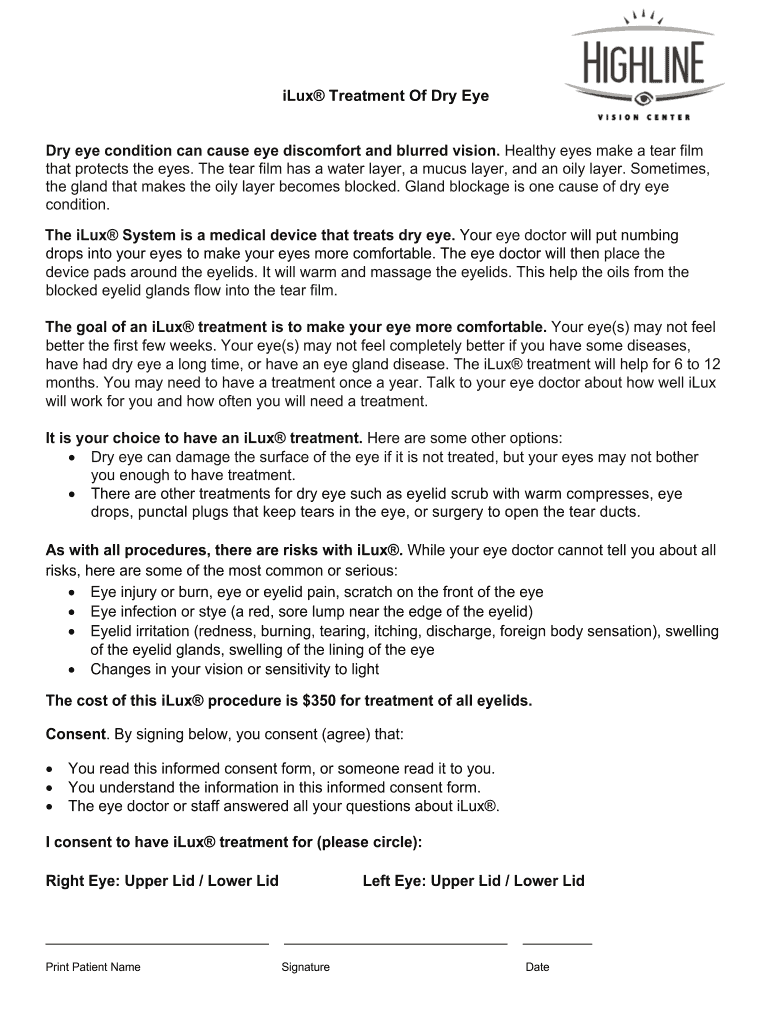
The iLux consent document plays a crucial role in ensuring that patients fully understand the iLux® treatment for dry eye syndrome. This document outlines essential elements such as the nature of the treatment, its benefits, and potential risks. Patients will learn how the iLux® System applies gentle heat and pressure to unblock eye glands, aiming to improve eye comfort for an extended period. The document also addresses alternate treatments available, associated costs, and what patients can expect in terms of outcomes and follow-up care. By covering these elements, the consent document ensures informed decision-making.
Detailed Explanation of Treatment
In this section, the consent document provides a comprehensive understanding of the iLux® treatment process. It explains how the device functions, including the application of both warmth and massage techniques that target meibomian gland dysfunction, a primary cause of dry eye. The aim is to restore normal tear flow, reducing symptoms like blurred vision and discomfort. Patients gain insight into how long each session takes and the expected duration of relief, helping them set realistic expectations.
Risks and Adverse Effects
The consent form also discusses potential risks associated with the treatment. While the iLux® procedure is generally safe, patients should know about possible side effects, such as transient discomfort, redness, or inflammation post-treatment. The document emphasizes the importance of reporting any unexpected symptoms to a healthcare provider. Providing this information is vital for patients to weigh the benefits and risks adequately.
Steps to Complete the iLux Consent Doc
Completing the iLux consent document can be straightforward, especially when following these steps:
-
Review Treatment Details: Patients should read the detailed descriptions of the iLux® procedure and potential outcomes.
-
Understand Risks and Alternatives: Carefully consider the section outlining risks and alternative treatments to ensure all concerns are addressed.
-
Consult with Healthcare Provider: Before giving consent, consult with a provider to clarify any doubts or questions.
-
Acknowledge Conditions: Confirm understanding of financial obligations, treatment schedules, and follow-up requirements.
-
Sign and Date the Document: Once all sections have been understood, sign and date the consent form to formalize agreement.
Examples of Feedback During Completion
Patients have reported that having a family member or friend present when completing the document can provide additional support and ensure nothing is overlooked. Some patients choose to record any questions that arise and discuss them during the next appointment.
Who Typically Uses the iLux Consent Doc
The primary users of the iLux consent document include patients considering undergoing the iLux® treatment for dry eye. Eye care professionals, such as ophthalmologists and optometrists, also utilize this document to inform and educate their patients effectively. It acts as a communication tool, ensuring both parties are aligned on treatment expectations and responsibilities.


Variability Across Different Patient Demographics
Different patient groups may have varying perspectives and questions about the treatment. For instance:
- Older Adults: May focus on safety and ease of the procedure.
- Younger Patients: Could be interested in alternative treatment options and the procedure's long-term effectiveness.
- Working Professionals: Might prioritize quick recovery times to minimize disruptions in their schedules.
Legal Use of the iLux Consent Doc
The iLux consent document serves as a legal agreement between the patient and healthcare provider. By signing it, patients acknowledge their understanding of the procedure and the associated risks. This consent is legally binding, ensuring that all parties have agreed to the terms and conditions outlined. It provides legal protection to practitioners by documenting the informed consent process and adhering to medical regulations.
Compliance with Healthcare Regulations
The consent process aligns with healthcare laws that require practitioners to inform patients about treatment risks, benefits, and alternatives. This practice upholds patient rights and supports ethical standards in healthcare delivery.
How to Obtain the iLux Consent Doc
The iLux consent document is typically provided by the healthcare provider offering the procedure. Patients may receive the document:
- During a Clinic Visit: Usually handed to patients before or during their consultation.
- Via Email: Providers may send a digital version to review at home.
- Through Patient Portals: Accessible online via secure patient management systems.
Benefits of Digital Access
Accessing the consent document electronically can be convenient, as it allows patients to review it at their own pace, conduct further research, and prepare questions for their healthcare provider. This flexibility supports a more informed and personalized consultation experience.
Why You Should Complete the Consent Doc
Completing the iLux consent document is a crucial step towards ensuring safe and effective treatment. It underscores the patient's understanding of the procedure and commitment to follow-up care. Signing the document signifies that the patient has been informed of all pertinent details and agrees to the treatment plan.
Emphasizing Patient Empowerment
By thoroughly engaging with the content of the consent document, patients empower themselves to make knowledgeable decisions about their eye health. This engagement fosters trust and transparency between the patient and provider, culminating in a more positive healthcare experience.
State-Specific Rules for the iLux Consent Doc
Consent processes can vary slightly depending on state regulations. While the core elements of the consent document remain consistent, certain states may have specific requirements regarding patient disclosures or additional forms to complete.
Navigating State-Based Nuances
Patients and providers need to be aware of these regional differences to ensure full compliance. Consulting with a legal professional or conducting a comprehensive review of state healthcare laws can provide clarity and prevent any legal discrepancies.
Important Terms Related to the iLux Consent Doc
Familiarity with key terms in the iLux consent document can enhance understanding and clarity. Terms typically include:
- Meibomian Glands: Oil-secreting glands in the eyelids, often blocked in dry eye conditions.
- Tear Film: The liquid layer covering the eye, providing moisture and protection.
- ESIGN Act: Legislation that makes electronic signatures legally binding.
- Follow-up Care: Scheduled appointments after treatment to monitor progress and address any issues.
Clarifying Complex Terms
For patients unfamiliar with certain medical or legal terminology, the consent document should incorporate definitions and explanations. This approach aids in demystifying the language, thus enhancing comprehension and confidence in the treatment process.




