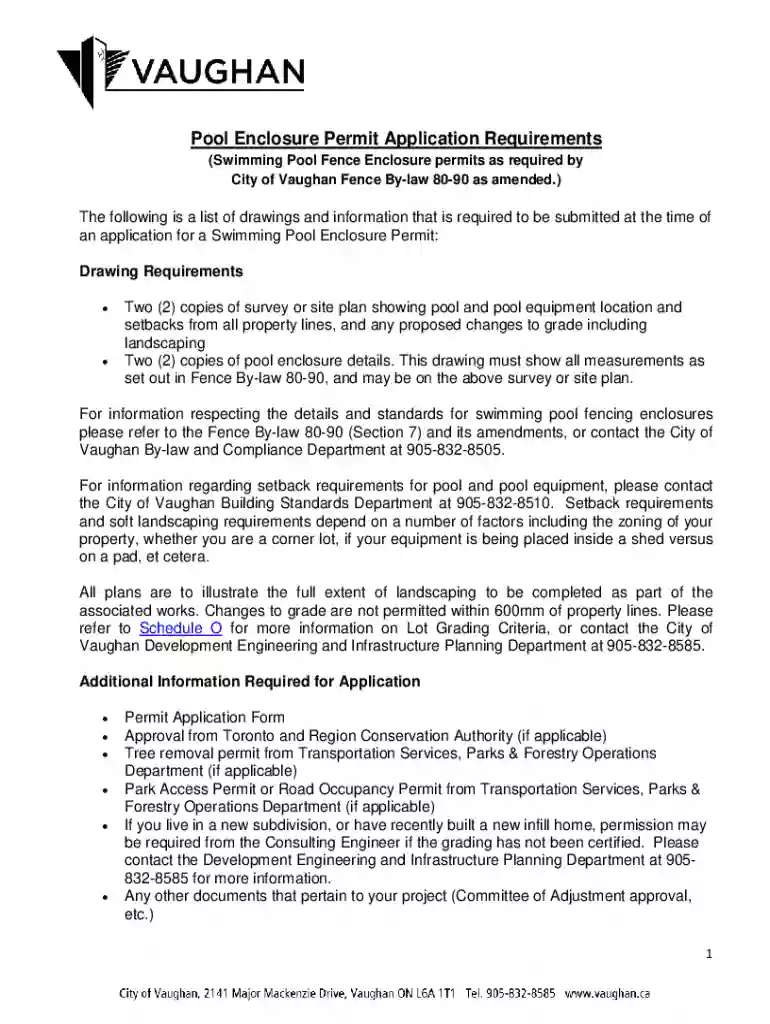
Definition and Meaning of Form Online
The term "form online" refers to digital versions of documents that can be filled out, signed, and submitted via the internet. These forms play a pivotal role in modernizing document handling by offering faster, more efficient, and often more secure ways to manage submissions compared to traditional paper forms. Online forms can encompass a wide array of applications, ranging from simple contact forms on websites to complex tax documents and legal paperwork.
Key Characteristics:
- Accessibility: Users can access these forms from any internet-enabled device, ensuring flexibility and convenience.
- Efficiency: The digital nature of online forms reduces the need for physical paperwork and manual processing.
- Security: Enhanced security measures such as encryption protect the data being submitted through these forms.
How to Use the Form Online
Utilizing online forms involves several straightforward steps that enhance user experience by streamlining data entry, submission, and retrieval.
Basic Steps:
- Access: Visit the relevant platform or website hosting the form.
- Input Data: Fill out required fields, ensuring accuracy and completeness.
- Review: Verify all entered information before submission to minimize errors.
- Submit: Use the designated button or link to send the form to its intended recipient.
- Confirmation: Wait for a confirmation message or email indicating successful submission.
Practical Tips:
- Use an updated web browser to avoid compatibility issues.
- Ensure a stable internet connection to prevent data loss during submission.
Steps to Complete the Form Online
Filling out an online form typically involves several stages, designed to simplify the user experience while ensuring that all necessary information is accurately captured.
Step-by-Step Process:
- Locate the Form: Identify the correct form on the platform where it's hosted.
- Gather Information: Before starting, compile all required information, documents, or identification details needed for the form.
- Begin Completion: Click to open the form and start entering data in the specified fields.
- Use Correct Input: Pay attention to field requirements like date formats, numeric input, or specific text case requirements.
- Review Thoroughly: Double-check entries for typos or missing data.
- Submit the Form: Follow the submission instructions provided on the form.
- Track Submission: Save a copy of the submitted form and any confirmation for record-keeping.
Typical Users Include:
- Individuals: Seeking to complete personal forms such as tax returns, applications, or online registrations.
- Businesses: Managing services like invoicing, client registration, or HR forms efficiently online.
- Professionals: Undergoing licensing or certification processes via digital platforms.
Legal Use of the Form Online
Legal online forms hold the same weight as their paper counterparts when completed and submitted correctly, often used for binding agreements, applications, or compliance-related documents.
Legal Considerations:
- Ensure forms include electronic signature options to maintain validity.
- Familiarize oneself with e-signature laws, like the ESIGN Act in the U.S., which govern legal parameters for online forms.
- Verify that online submissions comply with related data protection laws.
Key Elements of the Form Online
Online forms feature distinct components designed to streamline data collection and enhance user interaction.
Notable Elements:
- Fields: Text boxes, drop-down menus, and checkboxes for easy data entry.
- Interactive Features: Tools that allow for signature capture, dynamic calculations, or real-time error checking.
- Guidelines: Embedded instructions or tooltips to guide users in completing the form correctly.
- Security Measures: Include SSL encryption and other safeguards to protect user information.
Required Documents for Form Online
Certain online forms may require additional supporting documents, crucial for comprehensive submission of information.
Commonly Required Documents:
- Identity verification documents such as a driver’s license or passport.
- Financial records when dealing with applications related to business or taxes.
- Previous official documentation related to the subject of the form (e.g., prior year's tax filings).
Form Submission Methods
Digital platforms offer various methods for sending completed forms, based on user preference or organizational requirements.
Available Methods:
- Online Submission: Direct input and submission through a website or online platform, often accompanied by a submission confirmation message.
- Email: Forms can be downloaded, filled out, then sent as attachments to a designated email address.
- Hybrid Options: Some forms allow for completion online with an option to print and mail physical copies for submission.
Understanding these facets of online forms ensures users can effectively navigate and utilize these digital tools to meet personal, professional, or business-related needs.