







Definition & Role of a Registered Process Server
A registered process server is an individual who is authorized to deliver legal documents, such as subpoenas, summonses, and other court-related notices to individuals or parties involved in a legal case. This critical task ensures that all parties have been properly notified and can respond within the confines of the law. Process servers must operate within defined legal boundaries, adhering to federal, state, and local regulations governing the service of process. Unlike sheriff's departments, who may serve processes as part of broader law enforcement duties, process servers specialize solely in delivering legal documents.
How to Use a Registered Process Server or Sheriff's Department
Deciding whether to use a registered process server or a sheriff's department often depends on the specific requirements of the case, urgency, and jurisdictional rules. A registered process server is typically faster and more flexible, accommodating the need for immediate service or delivery at non-standard hours. Sheriff's departments, as part of law enforcement, might be limited by their operational protocols and schedules. When using a process server:
- Verify their registration and any required licenses.
- Provide detailed information about the recipient and any relevant legal documents.
- Specify deadlines or sensitive time constraints related to the service.
- Request proof of service as confirmation that the delivery has been executed properly.
Obtaining the Services of a Process Server
To obtain the services of a process server, you must first identify a qualified individual or company that operates within the jurisdiction where the documents need to be served. This process involves:
- Researching credible process servers through local directories, online platforms, or legal referrals.
- Contacting the selected server to discuss service specifics and obtain a quote.
- Submitting the necessary legal documents and ensuring detailed information about the recipient is provided.
- Signing any service agreements to comply with legal and procedural requirements.
Steps to Complete Legal Document Service
Completing the service of legal documents through a registered process server or sheriff's department involves several clear steps to ensure legality and compliance:
- Determine the appropriate entity or individual to serve documents based on jurisdictional rules.
- Prepare and organize the legal documents carefully, double checking for accuracy and completeness.
- Provide specific details about the location, times, and any unique identifying information of the recipient.
- Confirm the service, keeping records of all interactions and communications.
- Obtain a proof of service certificate, which acts as an affidavit or evidence that the legal documents were delivered correctly.
Importance of Hiring a Registered Process Server
Hiring a registered process server can be critical for several reasons:
- Efficiency: They operate with greater flexibility and speed compared to standard methods.
- Legal Compliance: Ensure that all documents are served within legal guidelines, preventing challenges based on improper service.
- Verification: Professional servers provide documented proof, reducing the risk of disputes about whether documents were received.
- Situational Handling: Experienced process servers know how to deal with individuals avoiding receipt, including alternative service methods.
Typical Users of Process Servers
Process servers are indispensable to a variety of clients, including:
- Attorneys and law firms needing swift legal document delivery.
- Court systems requiring the reliable handling of sensitive notices.
- Individuals involved in civil litigation or divorce proceedings seeking legal document service.
- Corporations managing legal disputes or enforcing contracts.
Key Legal Considerations
When using a process server, be mindful of the following legal aspects:
- Jurisdictional Rules: Different states and counties have specific regulations.
- Privacy Laws: Respectful handling of personal data during the service process.
- Documentation Needs: The requirement for a sworn affidavit or proof of service to prevent the challenge of service validity.
State-Specific Rules
Every state in the U.S. has different statutes and requirements governing the service of process:
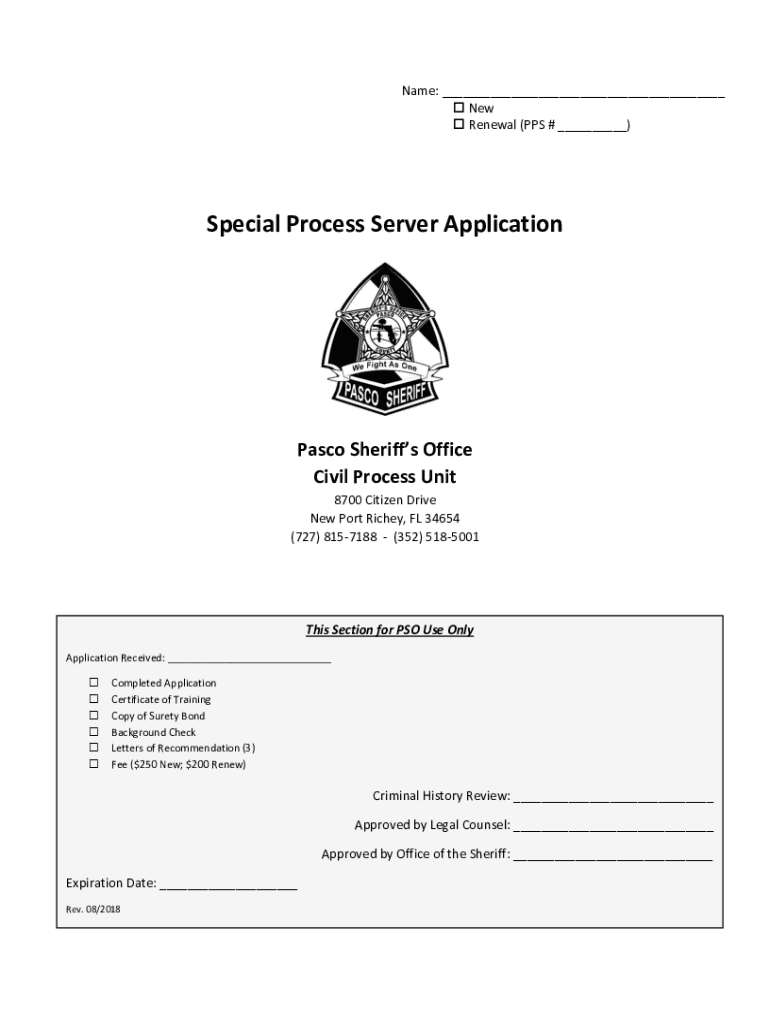
- In Florida, for instance, process servers must be appointed by the sheriff or meet specific certification requirements.
- Variability exists regarding the number of service attempts required before alternative service methods can be applied.
- Some states necessitate differing levels of identification verification before service is considered valid.
Examples of Effective Use
Effective use of a registered process server includes scenarios where:
- Time-sensitive subpoenas need swift service without hassle.
- Cross-jurisdictional legal documents require knowledgeable handling.
- Highly evasive individuals are involved, necessitating skilled and persistent service strategies.
Understanding these sections ensures that stakeholders and users engage effectively and legally with registered process servers tailored to their specific needs and jurisdictions.




