
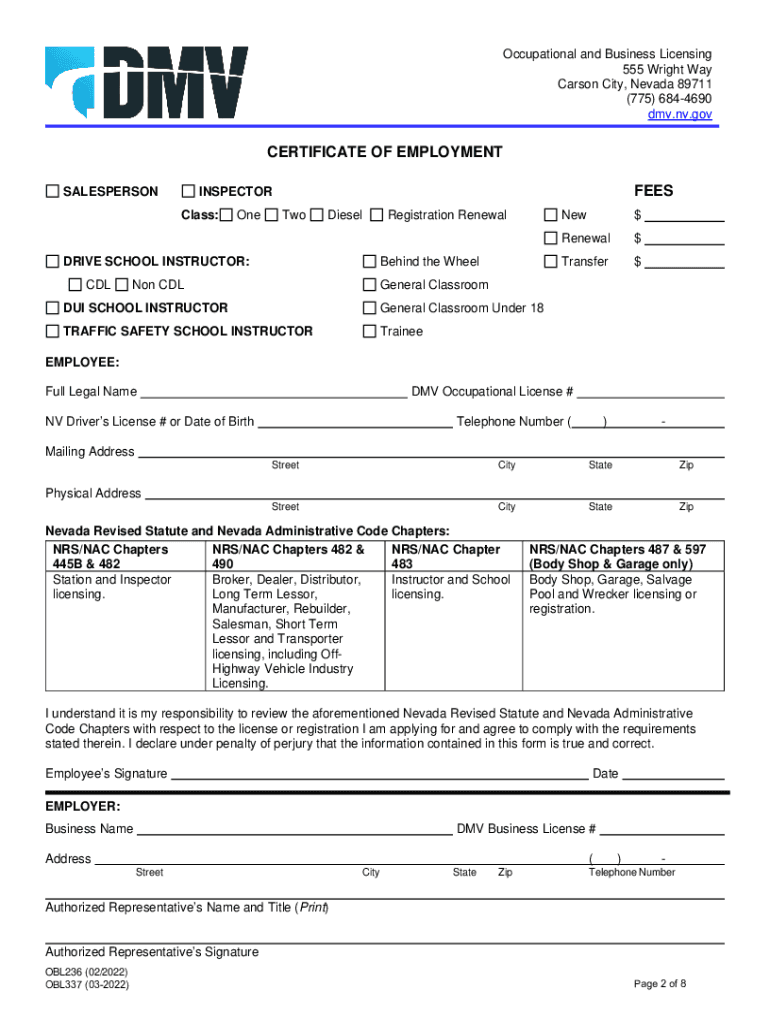







Definition & Meaning
The "Vehicle Industry & Drive School Licensing" is a formal document required for individuals and businesses operating within the vehicle industry or running driving schools. This document serves as an official authorization, ensuring that all operations comply with state and federal regulations. It encompasses various components, including the licensing for salespersons, educators, and operational facilities related to vehicle sales and driver education. This licensing ensures that those participating in the industry are knowledgeable about safety standards, teaching requirements, and legal obligations. For example, driving schools use this licensing to verify instructors' qualifications and to confirm that the institution meets established state education standards.
Eligibility Criteria
Eligibility for the "Vehicle Industry & Drive School Licensing" varies based on the type of operation. Generally, applicants need to meet certain educational qualifications, possess a clean criminal background, and provide proof of insurance coverage. For vehicle salespersons, having prior experience in the automotive industry may be requisite, along with a solid understanding of dealer operations. Driving instructors, on the other hand, generally need certifications in driver education instruction, often coupled with several years of driving experience. It's essential for applicants to thoroughly assess the specific criteria outlined by their respective state authorities to ensure compliance.


Steps to Complete the Vehicle Industry & Drive School Licensing
-
Research State-Specific Requirements: Determine the exact licensing needs pertinent to your state, as regulations can significantly vary.
-
Gather Required Documents: Typically, this includes proof of identity, educational qualifications, background checks, and any necessary certifications.
-
Complete Application Forms: Fill out all relevant application materials, ensuring accuracy and completeness to avoid delays.
-
Pay Necessary Fees: Submit any application fees as required by the state’s licensing board. These fees can vary based on the type of license you are applying for.
-
Submit the Application: Depending on state requirements, applications can often be submitted online, via mail, or in person.
-
Follow Up: Check the status of your application and respond promptly to any requests for additional information during the review process.
Required Documents
Applicants must prepare and submit several key documents as part of the licensing process. Commonly required documents include:
- Proof of Identity: Valid driver’s license or state-issued ID.
- Educational Credentials: Certificates or proof of required education levels relevant to the position.
- Background Check Results: Completed background check documents as evidence of good conduct.
- Insurance Verification: Proof of insurance coverage relevant to the type of business operation.
- Professional Certifications: Specific to the role, such as certifications for driving instructors or dealership operators.
Legal Use of the Vehicle Industry & Drive School Licensing
Once the licensing is obtained, it must be used in accordance with state and federal laws. This means that all business operations must follow the guidelines and limitations as prescribed in the licensing. For vehicle salespersons, this includes adhering to consumer protection laws and maintaining transparent dealings with customers. Driving schools must ensure that all instructors adhere to the curriculum determined by the licensing standards and that their training methods are legally compliant. Any misuse or deviation from permitted activities may lead to penalties.
Examples of Using the Vehicle Industry & Drive School Licensing
Operational examples include a certified driving school using the license to ensure all instructors are qualified and adhere to the training curriculum. Similarly, a vehicle dealership utilizes the licensing to endorse their sales operations, maintaining compliance with consumer protection regulations by employing licensed salespersons. Another case would be an independent driving instructor leveraging the license to validate their teaching credentials, thereby enhancing their professional reputation and trust with clients.
Who Typically Uses the Vehicle Industry & Drive School Licensing
Users of this licensing often include:
- Vehicle Dealerships: Ensuring all salespersons meet state-mandated qualifications.
- Driving Schools: Verifying that all instructors and the curriculum comply with educational standards.
- Independent Driving Instructors: Using the license to authenticate their qualifications.
- Fleet Management Companies: Ensuring all operational staff are qualified and licensed according to state requirements.

State-Specific Rules for the Vehicle Industry & Drive School Licensing
Each state in the U.S. may have different rules and regulations concerning this licensing. For example, a state like California may have stringent environmental standards for vehicle emissions that dealerships must adhere to, whereas Texas could have simplified requirements for driving school operations focusing more on road safety education. It's crucial for applicants to thoroughly research their specific state's licensing body to understand any unique conditions or additional documentation required.
Penalties for Non-Compliance
Failure to comply with the Vehicle Industry & Drive School Licensing requirements can lead to several consequences. These may include monetary fines, suspension or revocation of the license, and in severe cases, legal action against the business or individual involved. For example, a dealership operating without proper licensing could face significant fines and be compelled to cease operations, impacting their reputation and financial standing. Similarly, a driving school could lose its accreditation, affecting its ability to attract students and provide certified instruction.




