
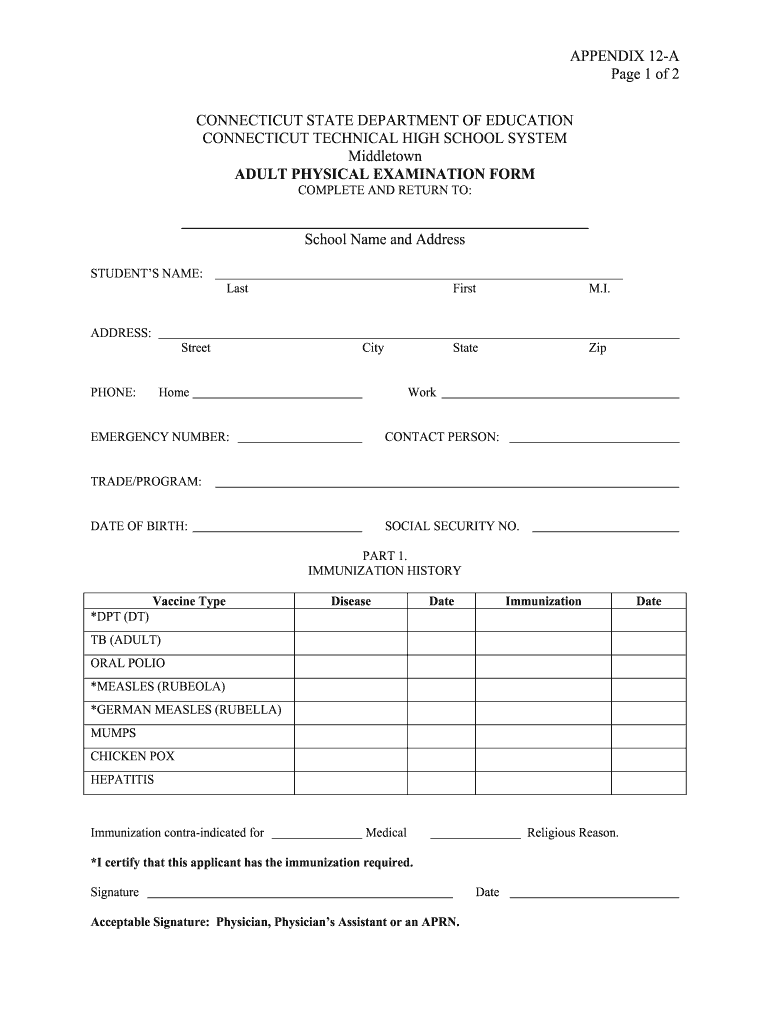







Definition and Meaning of a Physical Form
The term "physical form" typically refers to a document that requires physical presence or acknowledgment, often used in health, employment, or legal contexts. This type of document may serve various purposes, including verifying an individual's health status, attesting to physical capabilities, or fulfilling legal obligations.
Key Characteristics of Physical Forms
- Format: Most physical forms are printed documents that may include sections for user input, signatures, and official stamps or signatures from authorized individuals.
- Purpose: Physical forms are critical for situations that require a signed acknowledgment or specific regulatory compliance, such as pre-employment health screenings or school participation requirements.
- Examples: Common examples include medical examinations forms for sports participation, employment eligibility verification forms, and educational institution health forms.
How to Obtain the Physical Form
Acquiring a physical form varies based on its intended use and the organization involved. Generally, the process includes several steps:
-
Identify Need: Determine the purpose of the physical form you require. This could relate to employment, school, or healthcare.
-
Source: Obtain the form from relevant organizations or institutions. For instance, schools might provide a physical exam form for student athletes, while employers might have their own health assessment documents.
-
Request: If the form is not publicly available, contact the organization directly to request the form. This may involve contacting:
- Human resource departments for employment-related forms.
- Educational institutions for school-related health forms.
- Medical facilities for health-related documentation.
Methods of Obtaining Forms
- Online: Many organizations offer downloadable versions on their websites.
- In-Person: Visit the organization’s office to request a physical copy.
- Mailing: Some organizations may send forms upon request through traditional mail.
Steps to Complete the Physical Form
Filling out a physical form correctly is crucial for ensuring its acceptance. The following are typical steps to complete such a document:
-
Read Instructions: Begin by thoroughly reading the instructions included with the form to understand specific requirements and sections.
-
Gather Information: Collect all necessary personal information, including identifying details like name, date of birth, and contact information. Gather other information relevant to the form's purpose, such as medical history for health-related forms.
-
Complete Sections: Fill out each section meticulously, ensuring clarity and legibility. Avoid leaving blank fields where information is required. Mark optional sections clearly.
-
Review: Double-check all entered data to ensure accuracy and completeness. Mistakes could delay processing or result in rejection.
-
Sign and Date: Don’t forget to sign and date the form where required, as many forms necessitate a signature for validation.
Common Pitfalls
- Incomplete Sections: Missing information can lead to delays or rejections.
- Incorrect Signatures: Ensure that signatures comply with any designated protocols for authenticity.
- Deadline Awareness: Be aware of any submission deadlines associated with the form.
Important Terms Related to Physical Forms
Familiarity with specific terms can aid in understanding and completing physical forms effectively. Important terms include:
- Consent: A section where individuals provide permission for specific actions, such as medical examinations or data sharing.
- Certification: An attestation by a healthcare provider or authorized person that verifies the accuracy of the information provided.
- Compliance: Adherence to regulatory standards that govern the use and submission of physical forms.
Additional Key Terms
- Legally Binding: Refers to signatures or information that are enforceable under law.
- Fillable Fields: Sections of the form that require user input, which may vary by form type.
Legal Use of the Physical Form
Understanding the legal implications of physical forms is essential for users, especially in contexts requiring compliance with local regulations. The legal use encompasses:
-
Regulatory Compliance: Many physical forms are designed to meet specific laws or regulations, ensuring that individuals or organizations comply with standard practices.
-
Privacy Protection: Legal frameworks like HIPAA in healthcare govern the confidentiality and handling of information collected through physical forms.
-
Record Keeping: Organizations must maintain accurate records of physical forms for accountability and legal purposes. This might include retaining signed forms for a designated period.
Consequences of Misuse
- Legal Liability: Incorrect handling of sensitive information can result in legal repercussions.
- Denial of Services: Failure to submit required physical forms could lead to the denial of services or participation in programs.
Examples of Using Physical Forms
In practice, physical forms serve numerous essential functions across various sectors. Examples include:
- Employment Verification: A physical form may be required for pre-employment health assessments to ensure that applicants meet job health standards.
- School Health Requirements: Educational institutions often require a completed physical examination form to ensure that students are fit for participation in school activities.
- Medical Records: Healthcare providers use physical forms to document patient information and validate treatment programs.
Real-World Scenarios
- A student applying for a sports team may need to submit a signed physical form completed by a healthcare provider to confirm that they are fit to compete.
- An employer may require new hires to present a physical examination form before starting work, ensuring all health regulations are adhered to.
Who Typically Uses the Physical Form
Various stakeholders utilize physical forms, including:
- Students: Often required to submit forms for school-related health assessments or participation in extracurricular activities.
- Employees: May need to provide health documentation or assessments to comply with workplace safety regulations.
- Healthcare Providers: Use physical forms to gather patient history, consent for treatment, and provide documentation for insurance purposes.


User Demographics
- Individuals: Many adults fill out physical forms for personal, employment, or educational purposes.
- Organizations: Schools, businesses, and healthcare facilities rely on these forms to maintain compliance and protect health and safety.




