




01. Edit your equipment certification cards online
Type text, add images, blackout confidential details, add comments, highlights and more.

Type text, add images, blackout confidential details, add comments, highlights and more.

Draw your signature, type it, upload its image, or use your mobile device as a signature pad.

Send it via email, link, or fax. You can also download it, export it or print it out.
Heavy equipment operator certification cards serve as official proof that an individual has completed the necessary training and examinations to safely operate various types of heavy machinery. These cards are usually issued by authorized training institutions after a candidate has completed a certified training program and successfully demonstrated their proficiency. These cards are crucial for ensuring that operators are competent in managing the risks associated with operating heavy machinery, thus promoting safety on construction sites and in environments where such equipment is used.
Heavy equipment operator certification cards should be readily accessible to operators at all times while on the job. Employers, site supervisors, or inspectors may request to see these cards to verify the qualifications of their operators.
Obtaining a certification card involves several key steps that candidates must follow. These steps ensure comprehensive training and competency in machine operation.
Certification cards are crucial not only for personal recognition but also for workplace safety and compliance with legal requirements. These cards play a significant role in the regulatory frameworks that govern the operation of heavy machinery.
Operating heavy equipment without a valid certification card can have legal ramifications, both for the operator and the employer.
Certification requirements can vary significantly from one state to another in the U.S., impacting how operators achieve and maintain their certifications.
Securing a heavy equipment operator certification card typically requires the submission of several key documents.
There are several types of certification cards or related forms that operators may encounter, each serving different requirements or machinery types.
These clearly defined sections provide a comprehensive understanding of the heavy equipment operator certification cards, addressing both practical and regulatory aspects.
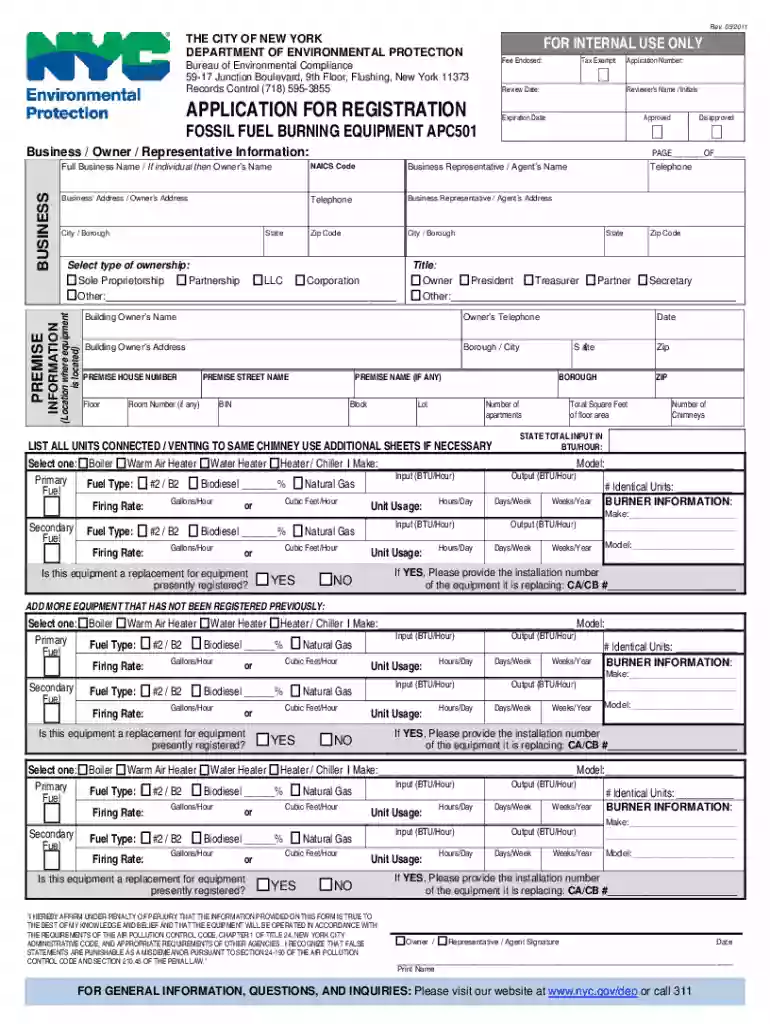
We've got more versions of the equipment certification cards form. Select the right equipment certification cards version from the list and start editing it straight away!
| Versions | Form popularity | Fillable & printable |
|---|---|---|
| 2011 | 4.8 Satisfied (194 Votes) |
At DocHub, your data security is our priority. We follow HIPAA, SOC2, GDPR, and other standards, so you can work on your documents with confidence.
The curriculum covers equipment safety, site preparation, digging and grading techniques, and more. The program is full-time and typically takes nine months toRead more
Training; Credentials. Credentials Overview. Certified Individuals. Commissioned Inspectors. Pressure Equipment Inspectors. NBIC. NBIC Overview. NBBI MeetingRead more


