




Here's how it works
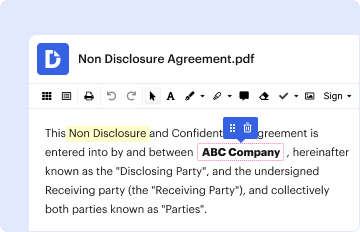
01. Edit your dochub com fillable form online
Type text, add images, blackout confidential details, add comments, highlights and more.
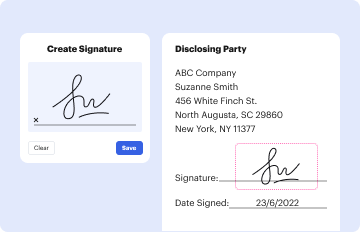
02. Sign it in a few clicks
Draw your signature, type it, upload its image, or use your mobile device as a signature pad.
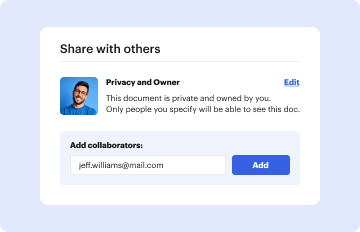
03. Share your form with others
Send ma long form financial statement via email, link, or fax. You can also download it, export it or print it out.
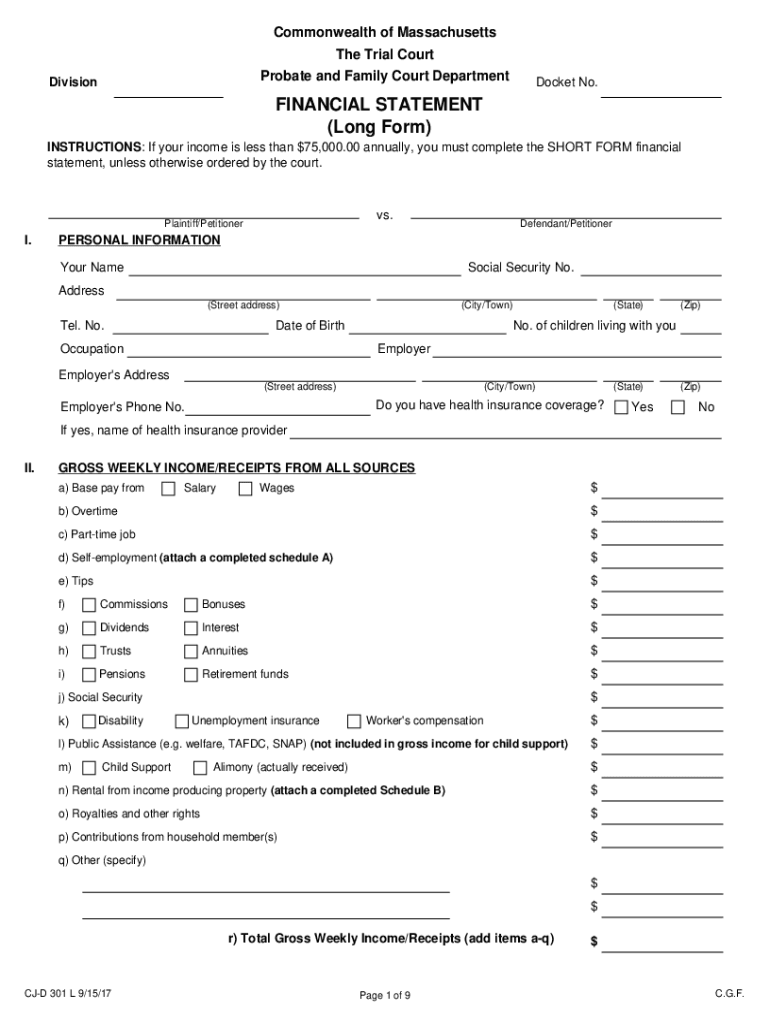
How to use or fill out Financial statement (long form) (CJD-301L) with our platform

- Click ‘Get Form’ to open the Financial Statement (CJD-301L) in the editor.
- Begin by filling out your personal information in Section I. Include your name, Social Security number, address, and contact details.
- In Section II, detail your gross weekly income. List all sources of income such as salary, overtime, self-employment earnings, and any other receipts. Ensure accuracy for each entry.
- Proceed to Section III to outline your weekly deductions from gross income. This includes federal and state tax withholdings, F.I.C.A., Medicare, and any other deductions.
- Calculate your net weekly income in Section IV by subtracting total deductions from total gross income.
- In Section VI, list your weekly expenses not deducted from pay. Be thorough in detailing all necessary living costs.
- Complete Sections VII through IX regarding counsel fees, assets, and liabilities. Provide accurate figures for a comprehensive financial overview.
- Finally, review all entries for completeness and accuracy before signing the certification at the end of the document.
Start using our platform today to easily fill out your Financial Statement for free!
Fill out Financial statement (long form) (CJD-301L) online
It's free
It's free
See more Financial statement (long form) (CJD-301L) versions
We've got more versions of the Financial statement (long form) (CJD-301L) form. Select the right Financial statement (long form) (CJD-301L) version from the list and start editing it straight away!
Got questions?
We have answers to the most popular questions from our customers. If you can't find an answer to your question, please contact us.
Contact us
What are the 5 components of a financial statement?
If things are collaborative, you should just each provide a financial disclosure. It should include a listing of all assets (including major physical assets like real estate, cars, etc.), the value as of the date of separation (this date is determined by state law), and the legal owner(s) of each asset.
Who loses the most money in a divorce?
There is a good body of research on the subject that shows women bear the heaviest financial burden when a couple divorces. But as a Certified Divorce Financial Analyst at EP Wealth, I know that inequalities may have more to do with household dynamics than gender.
Why is moving out the biggest mistake in a divorce?
See why moving out is the biggest mistake in a divorce. You May Give a Divorce Judge the Impression Youve Abandoned Your Spouse. You Could Affect the Decisions a Divorce Judge Makes Regarding Child Custody. You Will Negatively Impact Your Financial Situation and the Equitable Distribution of Marital Assets.
What money cant be touched in divorce?
Assets that may be protected from equitable distribution during a divorce are typically belong to one of two types: premarital property that has been kept from being commingled or transitioned and gifts or inheritances.
How important is a financial statement in divorce?
One crucial step in the divorce process is the completion of a financial statement. While it may seem like just another form to fill out, the financial statement plays a pivotal role in determining important aspects of your divorce, such as spousal support, child support, and the division of marital assets and debts.
Security and compliance
At DocHub, your data security is our priority. We follow HIPAA, SOC2, GDPR, and other standards, so you can work on your documents with confidence.
Learn more


People also ask
Is a financial statement necessary?
Financial statements are important for many reasons and are a key tool for building your business. Theyre essential for managing your business and planning its future. Financial statements are used in strategic planning, budgeting and forecasts.
What is a financial statement long form in Massachusetts probate court?
The financial long form is used in Massachusetts Probate and Family Court when a partys annual income is $75,000 or greater. It is a detailed document that provides comprehensive information about a partys financial situation, including income, expenses, assets, and liabilities.