




Definition and Purpose of a License to Serve Fermented Beverages
A License to Serve Fermented Beverages, often referred to in legal terms as an application for a Class 'D' Operator's License, allows individuals or entities to sell fermented alcoholic beverages such as beer and wine. This license is essential for businesses that plan to serve these kinds of beverages on their premises. Understanding the specific requirements and purpose of this license is crucial for compliance with local and state laws.
Types of Fermented Beverages
- Beer: Brewed using malted grains, hops, and yeast.
- Wine: Made from fermented grapes or other fruits.
- Mead: Produced through fermentation of honey mixed with water.
- Sake: A rice wine from Japan, made by fermenting rice.
Each type may have distinct regulations regarding serving and sale, depending on the licensing authority and jurisdiction.
How to Obtain the Application for License to Serve Fermented Beverages
Acquiring the application form is a straightforward process but involves understanding various channels through which the form can be accessed. Applicants can choose from several options based on convenience and accessibility.
Access Points
- Local Government Offices: Many city or county clerks' offices provide hard copies of the application form.
- Online Portals: Some jurisdictions offer downloadable forms on their official websites, ensuring easy access anytime.
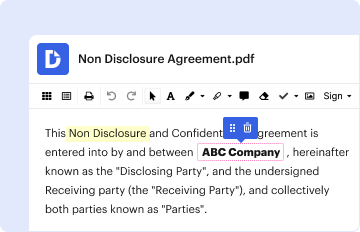
- Third-Party Providers: Platforms like DocHub may offer templates or digital forms, streamlining the application process.
Considerations
- Verify that the form aligns with the specific state or local requirements.
- Ensure the downloaded form includes all required sections to avoid processing delays.
Steps to Complete the Application for License to Serve Fermented Beverages
Filling out the application accurately is key to ensuring it is processed efficiently. This section outlines a step-by-step approach to completing the application form.
Detailed Instructions
-
Personal and Business Information:
- Provide full legal name(s) of the applicant.
- Include business address and contact details.
-
Licensing History:
- Disclose any previous licenses held, including any revocations or suspensions.
-
Legal Disclosures:
- Any non-traffic-related legal violations or convictions must be reported.
- Certificate of understanding and compliance with state and federal laws governing alcohol sales.
-
Fees and Identification:
- Details on the application fee and acceptable forms of identification.
- Payment methods and where to remit fees.
-
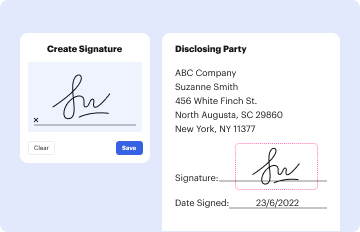
Signature Requirements:
- Must be signed by the applicant and potentially notarized or witnessed.
Legal Implications and Compliance
The legal use of the application form encompasses an understanding of both state and federal regulations concerning the sale of fermented beverages. Ensuring compliance is critical to avoiding penalties or revocation of the license.
Key Legal Terms
- ESIGN Act Compliance: Electronic signatures on applications are recognized as legally binding.
- 256-bit SSL Encryption: For online applications, this protocol ensures data security during transmission.
Regulatory Bodies
- State Alcoholic Beverage Control Boards
- Local Licensing Authorities
Eligibility Criteria for Application
Before applying, verify that you meet the necessary eligibility requirements which vary between jurisdictions.

General Eligibility Criteria
- Age Requirement: The applicant must be of legal drinking age, typically 21 or older.
- Residency: Some states require applicants to be residents or domicile businesses within the state.
- Background Check: A clean criminal record or specific clearance might be required.

Exemptions and Special Cases
Certain exemptions or special cases may apply, depending on the state laws or the nature of the business.
Application Process and Approval Timeline
From application submission to receiving the license, understanding the timeline and process is essential to plan business operations effectively.
Submission and Processing Stages
-
Submission Methods:
- Online submissions through government portals.
- Mail or in-person drop-off at local licensing offices.
-
Processing Duration:
- Varies by state but typically ranges from two to six weeks.
-
Approval or Denial Notification:
- Official communication regarding the decision will be sent via mail or email.
State-by-State Differences in Licensing Requirements
Licensing rules can vary significantly from state to state. It is crucial to be aware of these differences to ensure compliance with local regulations.
Key Variations
- Alcohol Content Restrictions: Some states have limits on the alcohol content of served beverages.
- Serving Hours: Regulations on permissible hours for serving alcohol.
- Zoning Laws: Specific zones may restrict or allow the sale of alcoholic products.
Practical Example
In Texas, the licensing process may include participation in a public hearing, whereas states like Vermont might require only the submission of a simple affidavit.
Required Documents for Application Submission
Having the correct documentation ready can expedite the application process and reduce the likelihood of delays or rejections.
Essential Documentation
- Proof of Identity: Government-issued IDs are typically required.
- Business Registration Documents: Including any DBA (Doing Business As) filings.
- Proof of Property Lease or Ownership: For the location where beverages will be served.
Optional Documentation
Depending on the jurisdiction, additional documents such as financial statements or business plans might be necessary.
Providing an extensive and comprehensive overview of these elements ensures applicants are well-prepared and informed throughout the entire process, from application to approval.