
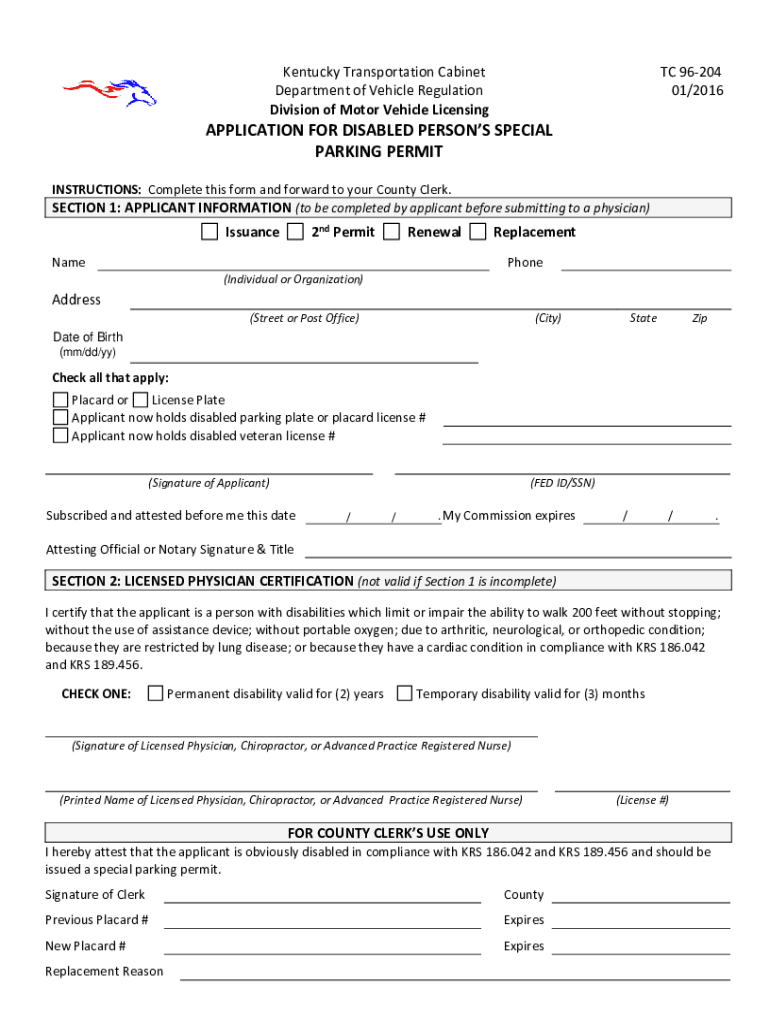







Definition and Purpose of the Division Motor Vehicle Licensing Application
The "Division Motor Vehicle Licensing APPLICATION FOR" is typically utilized by individuals seeking to obtain or renew specific motor vehicle-related permits or documentation. This form is essential for those needing services such as vehicle registration, driver's license applications, or specialty permits. It serves as a structured document that collects relevant information, facilitating a streamlined process for the applicant and the licensing division.
The form can vary by state, ensuring compliance with region-specific regulations. It captures data such as personal identification, vehicle details, and any necessary certifications. Understanding the purpose of this form helps applicants complete it accurately, avoiding unnecessary delays in processing.
Who Typically Uses the Division Motor Vehicle Licensing Application
This form is primarily used by residents in the United States who need to manage their legal motor vehicle obligations. This includes new drivers applying for their first license, individuals renewing their driver’s license or vehicle registration, and those applying for special permits like commercial driver's licenses or personalized license plates.
Businesses involved in transportation or those that maintain a fleet of vehicles also frequently use this application to ensure their operations remain compliant with state laws. For instance, a delivery company might use the form to update registrations for its vehicles, ensuring all assets are legally roadworthy.


Steps to Complete the Division Motor Vehicle Licensing Application
To complete the Division Motor Vehicle Licensing Application, applicants should follow these steps:
-
Gather Required Information: Collect necessary personal information, such as full name, address, date of birth, and Social Security number. Vehicle-related information might include the vehicle identification number (VIN), make, model, and year.
-
Obtain Supporting Documents: Depending on the application type, supporting documents might be required, such as proof of insurance, emissions tests, or medical certifications for commercial licenses.
-
Fill Out the Form: Complete the form accurately. Pay careful attention to mandatory fields and provide all relevant information. In some cases, an electronic or physical signature will be required.
-
Review for Accuracy: Before submission, double-check all entries for errors or omissions. Correct any mistakes to avoid processing delays.
-
Submit the Form: Submit the form according to the outlined procedures, whether online, by mail, or in person. Each method may have different requirements for receiving confirmation or further instructions.
-
Track the Application: Once submitted, keep a record of any reference or tracking numbers provided. This can help in following up on the application status if processing takes longer than expected.
How to Obtain the Division Motor Vehicle Licensing Application
Obtaining this form involves several straightforward methods:
- Online Download: Visit the official state DMV website where the form is typically available for download.
- Physical Copies: Obtain a copy at your local DMV office. This is useful if you require assistance or need immediate clarifications.
- Request via Mail: Some state DMVs offer a mailing service where you can request the form to be sent to your home address.
Each method provides the applicant with access to the form, enabling them to proceed with their motor vehicle-related requests without delay.
Important Terms Related to the Division Motor Vehicle Licensing Application
Understanding specific terminology associated with this application is essential:
- VIN (Vehicle Identification Number): A unique code assigned to every motor vehicle for identification purposes.
- Emissions Test: An evaluation conducted to ensure that the vehicle adheres to environmental standards.
- Proof of Insurance: A document confirming that the vehicle is covered under a valid insurance policy.
Recognizing these terms helps applicants understand the requirements and information requested, easing the completion process.
Required Documents for the Division Motor Vehicle Licensing Application
Applicants may need to provide various documents depending on the specific application requirements:
- Identification Proof: Such as a passport or state-issued ID to verify the applicant's identity.
- Vehicle Ownership Proof: This can include a title or previous registration document.
- Residency Evidence: Utility bills or leasing agreements might be required to prove residency within the issuing state.
- Insurance Documentation: To verify that the vehicle is insured as per state laws.
These documents accompany the application form, supporting the applicant’s eligibility and compliance with legal requirements.
Legal Use of the Division Motor Vehicle Licensing Application
The use of this application form is governed by state laws, ensuring that all submitted information is accurate and truthful. It forms part of the legal documentation that a state requires to process vehicle-related services. Misrepresentations or falsified information on the application could lead to fines, legal action, or the rejection of the application.
State DMVs enforce these regulations to maintain safety standards and ensure that all vehicles and drivers on the road meet the necessary legal criteria.
Examples of Using the Division Motor Vehicle Licensing Application
Various scenarios illustrate the use of this form:
- First-Time Driver: A teenager obtaining a learner's permit will use the form to apply for this initial license, providing information about their identity and any required parental consent.
- Vehicle Purchase: A new car owner will use the form to register their vehicle, ensuring it is officially recognized and road-ready.
- Commercial Driver: Someone pursuing a commercial driver's license needs the form to validate their credentials and document any additional requirements like health certifications.
These examples highlight the importance of this form in ensuring a smooth and lawful vehicle-related process.




