
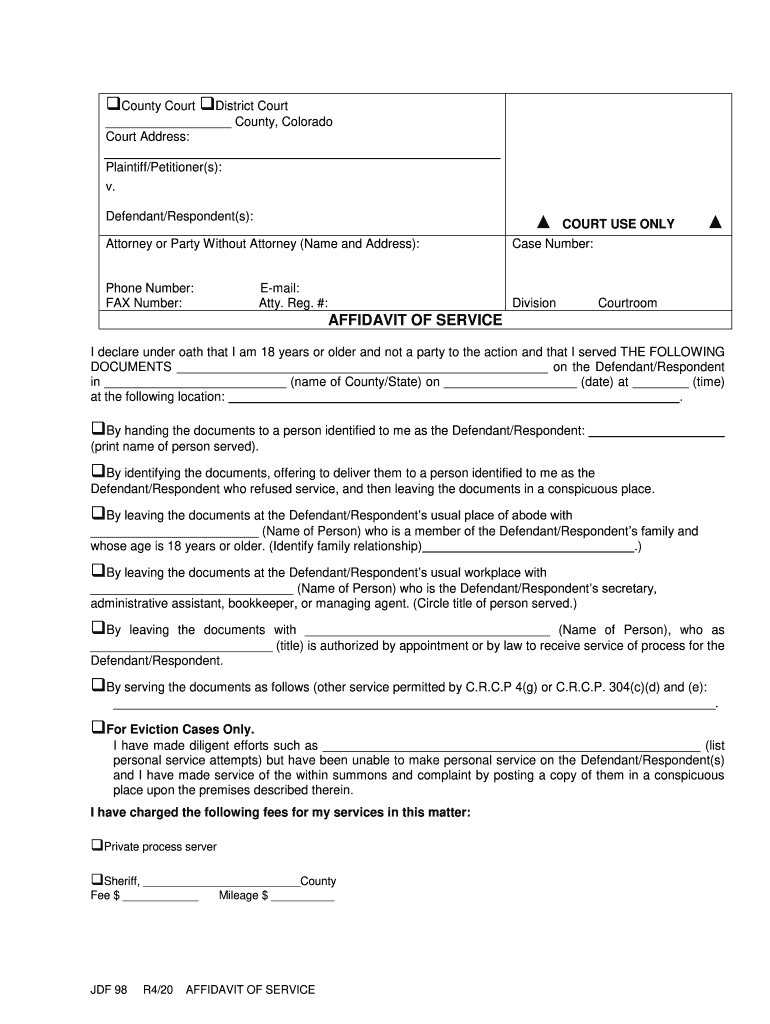







Definition & Purpose of Documents on the Defendant Respondent
The "Documents on the Defendant Respondent" generally pertain to legal papers involved in a court proceeding where a defendant or respondent's actions, responses, or obligations must be officially recorded. These documents play a critical role in ensuring that legal proceedings are transparent and that all involved parties have access to required information. Typically resulting from a legal obligation, these documents may include pleadings, affidavits, motions, or court orders. Their preparation and submission are essential for maintaining the procedural integrity of the judicial process.
Components Involved
- Pleadings: Define the parties' positions and legal arguments.
- Motions: Requests for specific actions by the court, such as dismissals or extensions.
- Affidavits: Sworn statements verifying facts, crucial in applications for relief or evidence.
- Court Orders: Directive documents issued by judges mandating or prohibiting actions.
Steps to Complete the Documents on the Defendant Respondent
- Gather Necessary Information: Collect details that pertain to the case, including party names, court details, and relevant statutes.
- Draft the Initial Document: Follow standard legal formats and include precise legal arguments or disclosures.
- Review for Accuracy: Ensure the factual correctness and legal soundness of the content; this step often involves legal counsel.
- Notary and Legal Signatures: Obtain necessary signatures and notarizations to validate the document.
- File with the Court: Submit the required documents to the appropriate court clerk and confirm receipt.
Common Challenges
- Navigating legal terminology.
- Understanding specific court rules for document submissions.
- Ensuring timelines and deadlines for submissions are met.
Who Typically Uses the Documents on the Defendant Respondent
Individuals and entities involved in legal proceedings will find this form essential. This may include litigants, their legal representatives, and court personnel who are required to maintain detailed records of the administrative and procedural aspects of a case.


Primary Users
- Defendants: Required to file responses or motions.
- Legal Representatives: Lawyers or paralegals who draft and manage submissions.
- Court Clerks: Process and archive the documents as part of the court’s official record.
Key Elements of the Documents on the Defendant Respondent
- Party Identifications: Accurate details of all parties involved, including aliases if necessary.
- Jurisdiction and Venue: Clearly state the court's jurisdiction and the venue where the document is filed.
- Claims and Defenses: Detail allegations, defenses, counterclaims, or responses relevant to the case.
Practical Examples
- Documents specifying a defendant's legal defenses against specific charges.
- Submissions proposing amendments to prior motions or pleadings.
State-Specific Rules for Documents on the Defendant Respondent
Different states may have unique requirements regarding the format, submission, and handling of these documents. For instance, some jurisdictions might allow electronic submissions, while others strictly require paper filings.
Important Variation
- California: Often requires specialized forms for service filings specific to family law or small claims.
- Texas: May necessitate additional attestations or governmental seals for certain types of affidavits.
Legal Use of the Documents on the Defendant Respondent
The legal integrity of these documents ensures that all parties have equal opportunity to present their case in court. They also serve as evidence, establishing a clear record and reference for decisions, appeals, or further proceedings.
Strict Compliance
- Ensures adherence to the principles of procedural justice.
- Provides a foundation for appeals by preserving an unambiguous case history.
Penalties for Non-Compliance
Failing to correctly or timely file "Documents on the Defendant Respondent" can result in severe judicial consequences, such as default judgments or fines. These penalties underline the necessity of adhering strictly to procedural rules.
Potential Outcomes
- Default Judgments: Issued against a non-compliant party for failing to respond or file appropriately.
- Financial Penalties: Fines imposed to the errant party or attorneys for procedural violations.
Digital vs. Paper Versions of Documents on the Defendant Respondent
Modern court systems increasingly support digital document submissions to streamline processes and improve accessibility. However, some courts maintain requirements for paper documentation.
Benefits of Each
- Digital: Faster submissions, easier updates, and improved security with electronic tracking and encryption.
- Paper: Offers a tangible record, useful in jurisdictions where electronic resources are underdeveloped.
Examples of Using Documents on the Defendant Respondent
Real-world applications vary widely, from civil litigation to small claims and administrative law proceedings, where defendants respond to or file motions against allegations or legal claims.
Case Studies
- Civil Defense: A company facing breach of contract claims submits affidavits disputing client allegations.
- Family Law: Respondents in a custody dispute file motions for modifications in support arrangements.




