
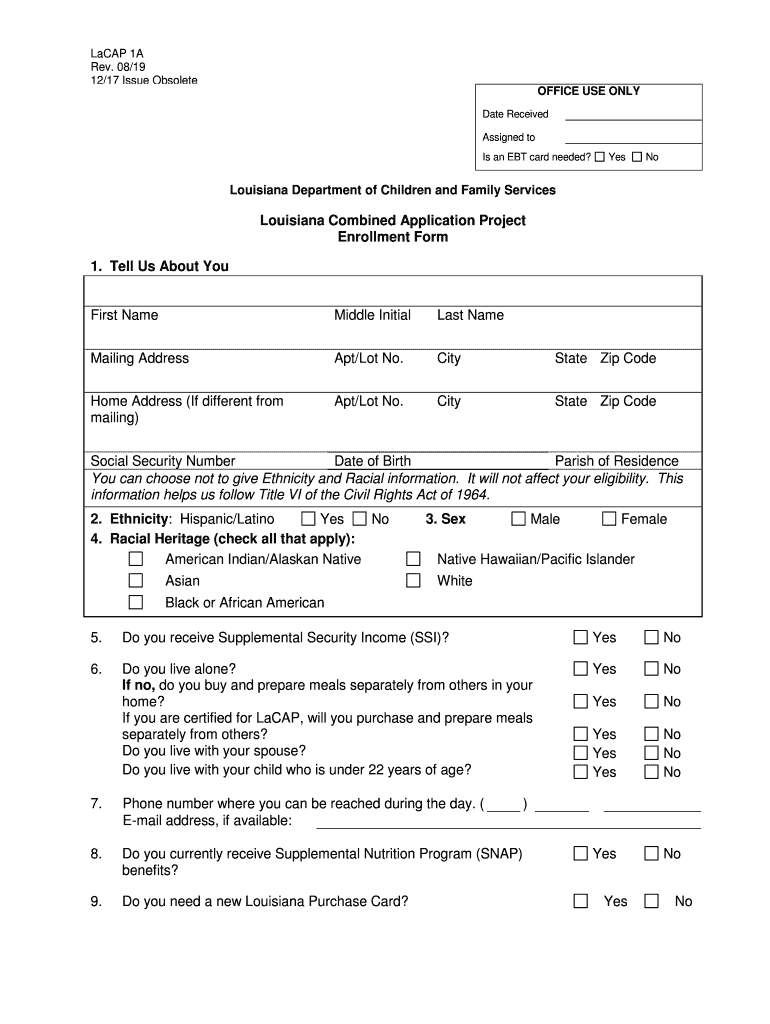







Definition & Meaning
The "12 17 Issue Obsolete" form is classified as an outdated document previously used in a specific context, such as tax filing, legal applications, or organizational reporting. The term "obsolete" suggests that it is no longer valid or accepted for current use, and users must be aware of any new versions or replacement forms. Understanding its historical function helps in comprehending updates and current protocols in administrative processes.
The form typically held significant relevance either within a governmental framework or a particular institutional process. Its obsolescence signifies updates in regulations, procedural adjustments, or shifts in technological adoption, prompting the need to transition to newer systems or methodologies.
How to Use the 12 17 Issue Obsolete
Although the "12 17 Issue Obsolete" form is no longer active for use, understanding its previous application can guide in transitioning to the correct current version. Previous protocols would have dictated the form's specific purpose, such as data gathering, tax filing, or information verification.
- Review Historical Usage: Assess the previous context in which the form was used to understand its function.
- Check for Updated Forms: Determine if a new version exists by contacting relevant authorities or checking official websites.
- Adapt Practices: Use the knowledge of the obsolete form to adapt processes to fit current requirements or forms.
Steps to Complete the 12 17 Issue Obsolete
For historical context, completing the "12 17 Issue Obsolete" would have involved specific steps aligned with its original purpose. Although it is obsolete, understanding these steps can provide insights for completing current forms effectively.
- Gather Required Information: Originally, this would include personal data or detailed financial records pertinent to the form.
- Follow Instructions: Specific instructions for completion ensured accuracy and compliance.
- Submission Protocols: The form would likely have been submitted via designated channels, either online or in paper format.
Who Typically Uses the 12 17 Issue Obsolete
Traditionally, the "12 17 Issue Obsolete" might have been used by individuals or businesses within a specific sector, for example, taxpayers, legal entities, or particular business types.
Understanding the past users can guide current users in finding who should now use the updated versions:
- Taxpayers: Filing returns or claiming deductions when the form was active.
- Businesses: Filing documentation related to corporate operations or compliance.


Important Terms Related to 12 17 Issue Obsolete
Various terms and jargon previously defined this form's use and context. While it is obsolete, familiarity with this terminology can assist in understanding transitional documents or processes.
- Obsolete: Outdated and no longer in use.
- Submission Channels: Methods available for sending completed forms, now likely updated.
- Regulations: Rules that previously governed the form’s use.
Key Elements of the 12 17 Issue Obsolete
Even as an obsolete document, understanding its key components aids in the transition to modern alternatives:
- Identification Sections: Details such as name, ID numbers that were essential for form completion.
- Financial/Legal Data: Specific details pertinent to the form’s aim, for instance, income figures or signatures.
Legal Use of the 12 17 Issue Obsolete
In its time of use, the form carried legal weight, meaning compliance required adherence to specific laws or jurisdictional guidelines. Now obsolete, it's crucial to shift focus to the legal implications of current replacements.
Understanding previous legal mandates ensures clear historical compliance and aids legal teams in navigating updated requirements.
Penalties for Non-Compliance
Non-compliance with the "12 17 Issue Obsolete" when it was viable often resulted in penalties, a concept that is still relevant for current replacements:
- Fines: Financial penalties for failure to file or incorrect filing.
- Legal Actions: Potential for litigation or administrative repercussions.
Past knowledge of these penalties is instrumental for maintaining compliance with the new versions, ensuring that similar mistakes aren’t repeated in current processes.




