



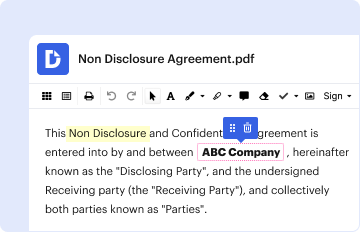
01. Edit your form online
Type text, add images, blackout confidential details, add comments, highlights and more.

Type text, add images, blackout confidential details, add comments, highlights and more.
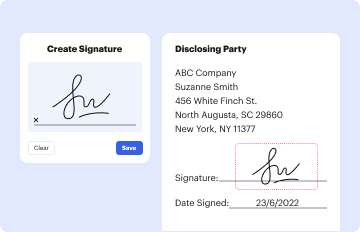
Draw your signature, type it, upload its image, or use your mobile device as a signature pad.
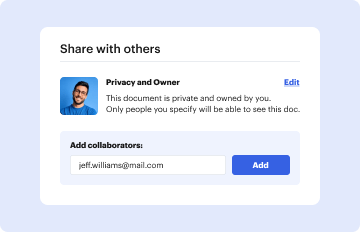
Send it via email, link, or fax. You can also download it, export it or print it out.
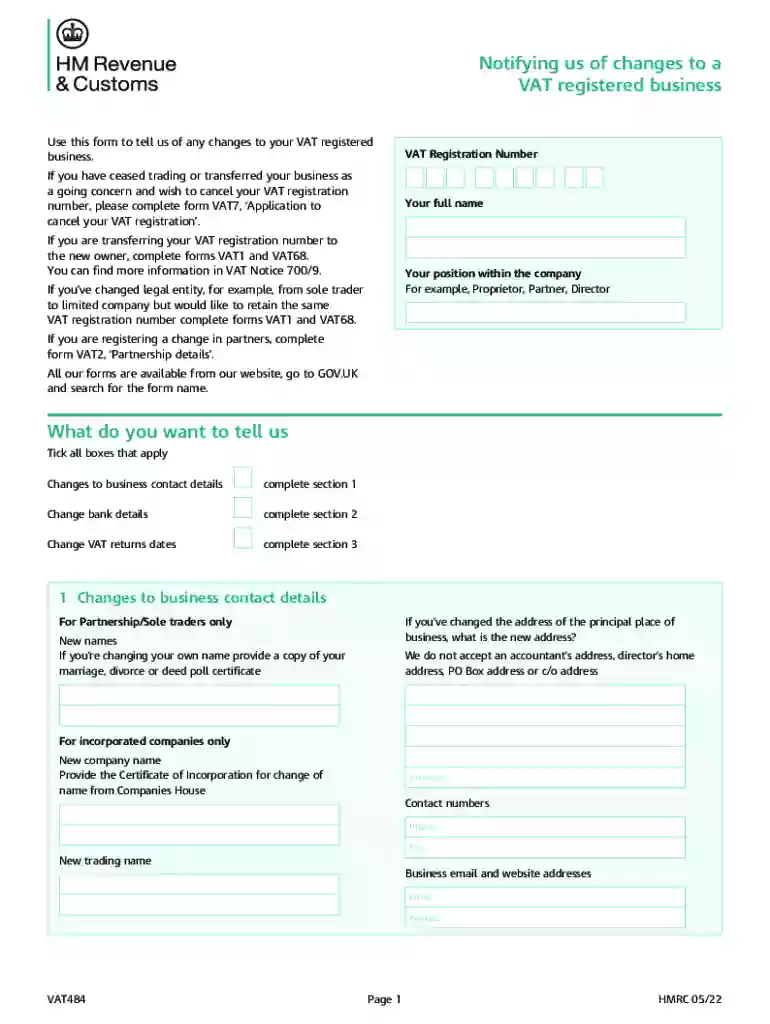
The Fillable Form VAT484 is a tool intended for notifying HM Revenue and Customs (HMRC) about any changes to a business's VAT registration details. Typically used by businesses that are registered for Value Added Tax (VAT), this form helps keep official records accurate and up-to-date. Businesses must report changes such as alterations in business activities, contact information updates, or modifications to VAT return submission dates.
To use the Fillable Form VAT484, businesses must first access the electronic form, typically available through the official HMRC website or trusted platforms like DocHub. This form can be filled out directly on a computer, enhancing accuracy and efficiency.
Completing the form involves a systematic approach to ensure all necessary information is included and accurately reflected:
The form contains several key elements that must be completed accurately to ensure proper processing:
The VAT484 form serves a vital legal function by officially documenting changes in a business's VAT records. Accurate completion ensures compliance with tax obligations and aids in avoiding penalties for misrepresentation or failure to notify changes.
Submitting the VAT484 form is crucial for businesses to maintain compliant VAT records with HMRC. This ensures that HMRC holds the most current and correct information, facilitating smooth administrative processes and minimizing the risk of compliance issues.
The most efficient way to submit the VAT484 form is electronically, often preferred for its speed and convenience. However, traditional methods remain available for those who prefer or require them:
We've got more versions of the Fillable Form VAT484 Notifying of changes to a VAT form. Select the right Fillable Form VAT484 Notifying of changes to a VAT version from the list and start editing it straight away!
At DocHub, your data security is our priority. We follow HIPAA, SOC2, GDPR, and other standards, so you can work on your documents with confidence.


