Definition and Meaning
The "mr620" refers to a specific form utilized for reporting and compliance purposes. Typically employed in a business or tax context, it is essential for entities required to document certain operational data. Understanding the precise application and legal implications of the mr620 is fundamental for ensuring accurate submission and alignment with regulations. The form generally captures vital information that assists in monitoring compliance with applicable standards and regulations.
Steps to Complete the mr620
Completing the mr620 requires attention to detail and adherence to procedural steps to ensure accurate and compliant submission.
-
Gather Required Information:
- Collect all necessary data, such as business identification numbers, financial details, and relevant dates. This might include previous financial statements or tax documentation.
-
Complete Personal and Entity Details:
- Ensure all personal and entity-related information is accurately filled in, including names, addresses, and contact details. Double-check entries for typographical errors.
-
Fill Out Financial Sections:
- Enter financial information precisely as required. This may necessitate calculations or substantiation through additional documentation to support the figures reported.
-
Reviewing Terms and Conditions:
- Carefully read through the form's terms and conditions to understand the obligations and expectations associated with submission.
-
Verification and Signature:
- Verify all entries for accuracy before signing the form. Electronic submissions might require digital signatures compliant with legal standards.
-
Submission:
- Submit the form through the specified channels, whether online, via mail, or in person. Comply with submission guidelines to avoid rejection.
How to Obtain the mr620
Obtaining the mr620 form can be done through various channels depending on the regulatory body that issues it.
-
Online Portals:
- Many regulatory agencies provide downloadable forms on their official websites. Ensure you access the form from a credible source to avoid using outdated versions.
-
Physical Acquisition:
- Visit the relevant agency's office or request physical delivery by mail. Some agencies offer direct mailing services to registered entities or individuals.
-
Intermediary Services:
- Certain professional service providers or intermediaries may offer assistance in obtaining the form, often providing additional guidance on its completion.
Key Elements of the mr620
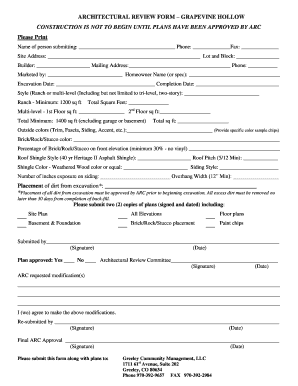
The mr620 form comprises several critical sections that require detailed input.
-
Identification Details:
- The section captures essential information about the entity or individual, such as names, identification numbers, and contact information. Accuracy is critical as this data forms the basis of the filing.
-
Financial Disclosures:
- It requires detailed financial disclosures, including income, expenses, and other pertinent monetary information that may affect compliance or regulatory requirements.
-
Certifications and Authorizations:
- The form might require certifications or authorizations to affirm correctness and truthfulness of the information provided, often requiring a signature or digital equivalent.
Legal Use of the mr620
The use of the mr620 is governed by specific legal frameworks that mandate its use for particular reporting purposes.
-
Compliance Requirements:
- Entities bound by applicable laws must use the mr620 to fulfill reporting and compliance obligations. This ensures that they are operating within the legal confines and meeting regulatory expectations.
-
Verification and Audit Preparedness:
- Accurate completion of the form ensures readiness for audits or inquiries from regulatory bodies, which might require presentation of the mr620 as evidence of compliance.
-
Penalties for Non-Compliance:
- Failure to complete or submit the form accurately and on time may result in penalties, fines, or other legal actions, underscoring the importance of adhering to filing requirements.
State-Specific Rules for the mr620
Certain states may have specific rules regarding the completion and submission of the mr620.
-
Varied Deadlines:
- States may impose different submission deadlines or cycles, and it is important to adhere to the specific timelines applicable to the entity's location.
-
Additional Disclosures:
- Some jurisdictions might require additional disclosures or supplements specific to state laws, which must be appended to the standard form.
-
Local Regulatory Interpretation:
- Understanding how state regulators interpret the form's use and their expectations is crucial for compliant submission.
Form Submission Methods (Online / Mail / In-Person)
The mr620 can be submitted through multiple channels, maximizing accessibility and convenience for users.
-
Online Submission:
- Utilize official agencies' online portals for electronic submission. This often includes features like automatic data validation to prevent errors.
-
Mail Submission:
- Forms can be mailed to the specified addresses provided by the regulatory agency. This might require additional time for delivery and processing, so ensure timely submission to avoid late penalties.
-
In-Person Submission:
- Deliver the form in person when possible to receive immediate confirmation of receipt. This method can be beneficial when additional guidance on completion is needed.
Who Issues the Form
The issuance of the mr620 typically falls under a specific governmental or regulatory body's purview.
-
Regulatory Agencies:
- The form is usually disseminated by state or federal agencies tasked with overseeing compliance in the applicable sector.
-
Government Departments:
- Specific government departments may issue the form at different jurisdictional levels, such as local, state, or federal, based on the regulatory scope of the mr620.
Understanding these details helps ensure that all aspects of the mr620 form are thoroughly comprehended and correctly acted upon, securing compliance and minimizing potential legal or financial repercussions.