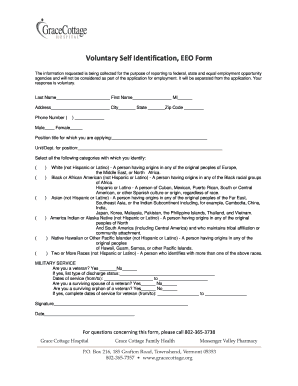
Key Elements of the (September-March) Form
The (September-March) form is an essential document for users looking to streamline processes during the specified period. Its core components include personal information, specific seasonal data fields, and relevant checklists or sections catering to unique needs of September through March. Understanding these elements helps ensure accurate completion and submission.
Personal Information Section
- Name and Contact Details: Ensure that full names, addresses, and contact details are correctly entered to avoid processing delays.
- Identification Numbers: If applicable, include any relevant identification numbers that might be required for verification or tracking purposes.
Seasonal Data Fields
- Activity Reporting: This section requests details on activities or events specific to the September-March timeframe, such as participation in a seasonal project or program.
- Financial Information: Provide any necessary financial data related to the period in question, like projected expenses or earnings that directly correlate to these months.
Steps to Complete the (September-March) Form
Completing the (September-March) form accurately involves a series of structured steps to ensure all necessary information is included. These instructions guide users through the essential processes:
- Gather Necessary Documents: Collect all required documents, such as identification, financial statements, and any other relevant papers.
- Fill Out Personal Information: Enter all personal details, ensuring that names and contact information match provided documentation.
- Input Seasonal Data: Accurately report on any activities or financials specific to the September-March period.
- Review and Submit Information: Thoroughly review the entire form for completeness and accuracy before submission.
Required Documents for (September-March)
Compiling the necessary documentation is crucial for the successful submission of the (September-March) form. A comprehensive checklist includes:
- Identification Proof: Valid forms such as driver's licenses or passports.
- Financial Statements: Include any bank statements, tax documents, or invoices related to September-March needs.
- Supporting Documentation: Any additional materials that might support claims or entries on the form.
Common Documentation Mistakes
- Submitting expired identification.
- Providing incomplete financial records.
- Omitting required supplemental information.
How to Obtain the (September-March) Form
Acquiring the (September-March) form can be done through various convenient methods catering to different preferences and needs:
- Online Download: Access the form through official websites where digital versions are readily available for download.
- Mail Request: Request a physical copy through official mail channels, which may take several business days.
- In-Person Pickup: Visit authorized locations where the form can be collected directly.
Important Terms Related to the (September-March) Form
Understanding key terminology associated with the (September-March) form is vital for accurate completion and submission:
- Fiscal Period: Refers specifically to the accounting months of September through March.
- Verification Process: Steps involved in authenticating provided information.
- Submission Deadline: The last date by which the form must be filed to avoid penalties.
Clarification of Common Terms
- Fiscal vs. Calendar Year: Differentiates between the specified period and the regular January-December calendar.
- Optional vs. Mandatory Information: Helps users determine which fields must be completed.
Digital vs. Paper Version of the (September-March) Form
Both digital and paper versions of the (September-March) form are available, allowing users to choose based on their preferences:
- Digital Version: Convenient for users comfortable with technology, offering easy updates and cloud storage options.
- Paper Version: Suitable for those who prefer traditional methods or lack online access.
Advantages of Digital Forms
- Environmentally friendly with reduced paper usage.
- Instant confirmation upon submission.
Benefits of Paper Forms
- No need for internet access or electronic devices.
- Physical copies can be easily shared or archived.
IRS Guidelines for (September-March) Form
If applicable, the IRS provides specific guidelines concerning the (September-March) form and its related activities:
- Tax Implications: Any tax-related requirements must be adhered to for compliance.
- Submission Protocols: Ensure the form adheres to IRS standards, if applicable, for the period in question.
Penalties for Non-Compliance
Failure to submit the form by specified deadlines can result in fines or other penalties, emphasizing the importance of timely filing.
Software Compatibility for the (September-March) Form
For those using software to assist with form completion, ensuring compatibility is key. Popular platforms include:
- TurboTax: Useful for financial tracking and management during this period.
- QuickBooks: Ideal for businesses needing to monitor income and expenses over September-March.
Ensuring Compatibility
- Confirm the latest software updates are installed.
- Check file formats are supported by your chosen platform.