





Definition and Meaning
The "Facility Process" represents a structured approach to managing various operations within a facility, particularly those dealing with regulated substances, as per U.S. Environmental Protection Agency (EPA) guidelines. In the context of document management platforms like DocHub, a Facility Process may encompass a sequence of actions or steps that include drafting, editing, inspecting, and storing compliance-related documents. These documents serve to ensure that the facility meets legal requirements and operates efficiently.
Facility Processes often involve creating detailed checklists that facilitate thorough audits and risk assessments, providing a standardized method to evaluate facility operations. By using a structured Facility Process, facilities can better manage their documentation, streamline workflows, and ensure compliance with legal and regulatory standards.
Key Elements of the Facility Process
Hazard Assessments
A critical component of any Facility Process is the hazard assessment. This involves identifying potential risks associated with handling regulated substances and implementing measures to mitigate these risks. Hazard assessments should include a thorough analysis of operational procedures, equipment safety, and employee training programs.
- Risk Identification: Facilities must identify all potential hazards related to their operations.
- Risk Evaluation: Assess the severity and likelihood of each identified risk.
- Mitigation Strategies: Develop and implement strategies to reduce or eliminate identified risks.
Prevention Programs
To ensure ongoing safety and compliance, facilities must establish prevention programs tailored to their specific needs. These programs typically involve regular training for employees, equipment maintenance schedules, and emergency response procedures.
- Employee Training: Ensure that all staff members are knowledgeable about safety protocols and procedures.
- Equipment Maintenance: Regularly inspect and maintain all equipment used in facility operations.
- Emergency Procedures: Develop and implement plans for managing emergencies, ensuring that all employees are familiar with them.
Steps to Complete the Facility Process
Step-by-Step Instructions
- Initial Document Drafting: Begin by drafting a document that outlines the facility’s operational procedures, hazard assessments, and prevention programs.
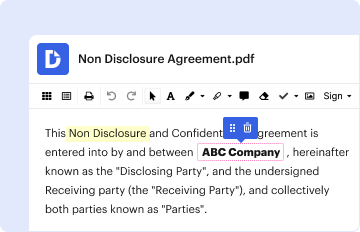
- Review and Edit: Utilize tools like DocHub to edit the document for clarity and compliance.
- Collaborate: Share the document with team members for input. Use features such as commenting and permissions to refine content collectively.
- Conduct Inspections: Use the document as a checklist to inspect facility operations and ensure compliance with safety regulations.
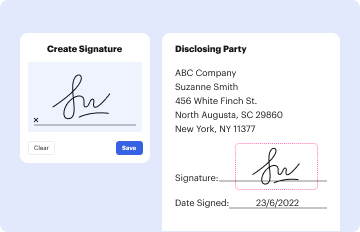
- Finalize and Secure: Once the inspections and revisions are complete, finalize the document. Add password protection if deemed necessary to enhance security.
Rationale for Documenting the Process
Documenting the Facility Process is essential for maintaining compliance with federal regulations. It provides a reliable reference that facilities can use to train staff, ensure safety, and enhance operational efficiency. Furthermore, documented processes are crucial for audits and inspections, providing evidence of compliance and proactive risk management.
Who Typically Uses the Facility Process

Primary Users
- Facility Managers: Oversee operations and ensure compliance with safety and regulatory standards.
- Safety Officers: Focus on implementing risk management strategies and conducting hazard assessments.
- Compliance Auditors: Evaluate facility processes to ensure regulations are met and maintained.
Industry Applicability
Facility Processes are widely used in industries such as chemical manufacturing, pharmaceuticals, and any sector handling hazardous materials. These industries rely on structured processes to manage risks effectively and maintain operational integrity.
Legal Use of the Facility Process
The use of a Facility Process is often legally mandated, particularly in industries prone to risks such as chemical manufacturing. Stricter regulations necessitate clear documentation and adherence to processes that safeguard against accidents. Documentation assists facilities in demonstrating compliance during legal reviews or incident investigations, ensuring transparency and accountability.
- Regulatory Compliance: Adhering to EPA standards and other relevant regulations.
- Incident Investigation: Providing a basis for effective examination of any incidents that occur.
- Documentation: Serving as legal evidence of compliance efforts.
Important Terms Related to the Facility Process
Glossary
- Hazard Assessment: The process of identifying and evaluating risks associated with facility operations.
- Prevention Program: Strategies and practices implemented to minimize risk and prevent incidents.
- Compliance Audit: An official review of a facility's adherence to regulatory requirements.
Explanation of Each Term
- Hazard Assessment: Essential for identifying potential risks within a facility.
- Prevention Program: Focuses on proactive measures to safeguard against risks.
- Compliance Audit: Ensures that a facility continuously meets legal and safety standards.
Examples of Using the Facility Process
Real-World Applications
Case Study: Chemical Plant
A chemical manufacturing plant uses a comprehensive Facility Process to manage operations. Their checklist includes hazard assessments for each piece of equipment and training programs for new employees. Through this structured approach, the plant maintains high safety standards and regulatory compliance.
- Equipment Safety Checks: Regular inspections to ensure equipment is functioning correctly.
- Emergency Drills: Conducted quarterly to prepare employees for potential incidents.
Scenario: Pharmaceutical Company
A pharmaceutical company adopts a Facility Process to manage the production of medications safely. The process includes documenting all operational phases, from raw material handling to waste management, ensuring each step is within legal guidelines.
- Material Handling Procedures: Detailed instructions for handling hazardous substances safely.
- Waste Management: Ensures that disposal methods meet environmental standards.
Digital vs. Paper Versions of the Facility Process
Comparison of Formats
-
Digital Version:
- Pros: Easily editable, sharable, and stored securely; allows for real-time collaboration and updates.
- Cons: Requires access to technology and can be vulnerable to cyber-security threats if not properly protected.
-
Paper Version:
- Pros: Tangible and accessible when technology fails.
- Cons: More challenging to update and distribute; susceptible to physical damage or loss.
Practical Recommendation
For maximum efficiency and accessibility, facilities should consider using the digital version with platforms like DocHub. This approach combines the benefits of easy editing, secure storage, and seamless collaboration, all of which enhance the overall Facility Process.
Business Types That Benefit Most from the Facility Process
Target Industries
- Chemical Manufacturing: Requires detailed process management due to high risk.
- Pharmaceuticals: Ensures safety and compliance in drug production.
- Food Processing: Manages hygienic and safe production practices.
Advantages for Businesses
Using a structured Facility Process benefits these industries by enhancing safety, ensuring compliance with regulations, and improving operational efficiency. This reduces the risk of accidents and legal issues, while promoting sustainable and responsible business practices.