



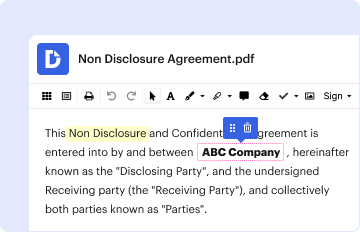
01. Edit your form online
Type text, add images, blackout confidential details, add comments, highlights and more.

Type text, add images, blackout confidential details, add comments, highlights and more.
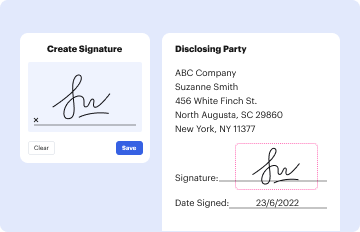
Draw your signature, type it, upload its image, or use your mobile device as a signature pad.
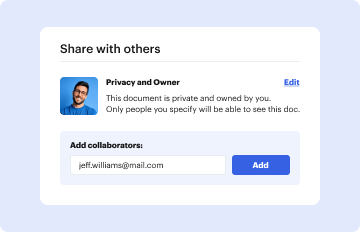
Send it via email, link, or fax. You can also download it, export it or print it out.
The "dhs 2952" form is an "Authorization for Release of Information About Residence and Shelter Expenses" used by the Minnesota Department of Human Services. This form is essential for verifying a tenant's residence and shelter expenses, which is a critical step in determining eligibility for public assistance programs. The document contains detailed sections for tenant information, rental details, and authorization signatures. Additionally, the form outlines necessary privacy notices regarding the handling and release of personal information. These key elements provide a comprehensive understanding of both the purpose and utility of the form within the public assistance framework.
Obtaining the dhs 2952 form involves a straightforward process, primarily accessible through Minnesota’s Department of Human Services website. Here are the steps:
Visit the Minnesota Department of Human Services Website: Navigate to their forms section, where dhs 2952 and other related documents are available for download.
Contact Local Human Services Office: Individuals without internet access can contact their local human services office to request a printed copy of the form for mailing.
Online Resources: Certain legal aid or community assistance websites may host the form or provide links to it, facilitating access for those seeking public assistance.
These methods ensure that individuals can acquire the form efficiently, whether seeking it online or through direct contact with local services, aligning with the accessibility needs of various users.
Completing the dhs 2952 form requires careful attention to detail to ensure all necessary information is accurately provided. Here’s a step-by-step guide:
Fill in Tenant Information: Begin by clearly entering personal details, such as name, address, and social security number.
Enter Rental Details: Specify the landlord's information and the rental terms, including rent amount and payment frequency.
Provide Authorization Signatures: Ensure both tenant and landlord (or an authorized representative) sign the form to authorize the release of information.
Include Necessary Attachments: Attach any required supplementary documents like rental agreements or recent rent receipts to validate the information provided.
Submit the Form: Send the completed form either by mail or deliver in person to the relevant department as indicated in the form instructions.
These steps guide applicants through accurately completing the form, ensuring that all parties are adequately informed and that their data will be processed for public assistance evaluation.
The primary users of the dhs 2952 form are Minnesota residents seeking public assistance who need to verify their housing expenses for eligibility determination. The form may also involve:
Landlords and Property Managers: These individuals need to verify tenant claims regarding their residence and rental expenses.
Social Workers and Case Managers: Professionals assisting clients in applying for public assistance will often manage these forms as part of their service provision role.
Public Assistance Offices: Personnel in these offices review submitted forms to determine eligibility for various assistance programs.
This widespread usage underscores the form’s significance across multiple stakeholders involved in housing and public aid services.


Understanding key terms associated with the dhs 2952 is crucial for accurate form completion and comprehension:
Tenant: The individual residing in the rental property who is applying for public assistance.
Landlord: The property owner or manager who provides housing to the tenant and verifies rental expense details.
Public Assistance Eligibility: Criteria that determine a person’s qualification for receiving financial aid from government programs based on their shelter costs and other factors.
Authorization: A tenant's consent for their personal information to be shared with the Minnesota Department of Human Services for verification purposes.
Knowing these terms benefits both the tenants completing the form and the officials processing it by ensuring comprehension across users.
The legal implications of the dhs 2952 are centered around the securing of necessary authorizations for information release, which aligns with federal and state privacy laws:
Authorization Compliance: By signing the form, tenants authorize the sharing of their sensitive data, which complies with the legal requirements for disclosing personal information.
Data Protection: The form and process follow strict data protection protocols to prevent unauthorized access to personal information.
Legality of Signatures: All signatures on the form are legally binding, signifying agreement to the terms of the information release between renter and housing authority.
This ensures the process remains compliant with legal frameworks, safeguarding both tenants’ rights and the integrity of the public assistance system.
Real-life scenarios illustrate the practical application of the dhs 2952 form:
Example 1: A single parent receiving temporary public assistance uses the form to verify rental expenses after relocating due to a job change.
Example 2: An elderly individual under Medicaid requires proof of residence expenses to adjust their assistance benefits in response to increased rent costs.
Example 3: A family experiencing financial hardship submits the form to expedite their application for emergency housing aid.
These examples highlight the form’s flexibility to cater to varying individual circumstances that necessitate public support for housing expenses.
Submitting the dhs 2952 is vital for processing and requires adherence to established methods:
Online Submission: Some jurisdictions offer electronic submissions via secure portals, facilitating quicker processing.
Mail Submission: Applicants can mail their forms to designated addresses provided by the Department of Human Services.
In-Person Submission: Visiting a local office in person is an option for those who prefer direct interaction and immediate assistance with any questions.
These methods accommodate diverse preferences and situations, ensuring broader accessibility and convenience for all applicants.
When filling out and submitting the dhs 2952, applicants may need additional documentation:
Proof of Identity: Valid government-issued photo ID to validate the applicant’s identity.
Rental Agreement: Need to include a copy of the current lease or rental agreement to support the verification of shelter expenses.
Recent Rent Receipts: In some cases, providing copies of the most recent rent payment is required to verify ongoing shelter costs.
Each document serves to substantiate the applicant’s information, facilitating a smoother review and approval process for public assistance programs.
We've got more versions of the dhs 2952 form. Select the right dhs 2952 version from the list and start editing it straight away!
Sure, electronically drawing your signature is appropriate, but only if you use a tool that complies with industry regulations and policies. Try DocHub, which ensures eSignature validity under ESIGN and UETA requirements. All you need to eSign your dhs 2952 is an account with DocHub and an internet connection. When you open your paperwork in our editor, click Sign and select the Draw tool.
Having a swift editing platform like DocHub, you do not require anything but a web browser and internet connection to modify your dhs 2952 on the internet swiftly. Add your file or get the relevant form in DocHub’s catalog, open our editor with one click, and finish it electronically. To revise your forms anytime, sign up a free account with DocHub.
At DocHub, your data security is our priority. We follow HIPAA, SOC2, GDPR, and other standards, so you can work on your documents with confidence.
Please provide the information requested on the back of this form and sign and date the back of the form where indicated. Below is a signed authorization toRead more
Jul 16, 2024 The H-2A program allows US farm employers who anticipate shortages of seasonal workers to request that DOL DocHub their need for H-2A guestRead more
2952, Chairman, 5 Institutional Area. 2953, Vasant Kunj. 2954, 93, National msbhm-dhs-delhi@nic.in. 4720, Medical Superintendent, New Delhi, 1127033948. 4721Read more


