



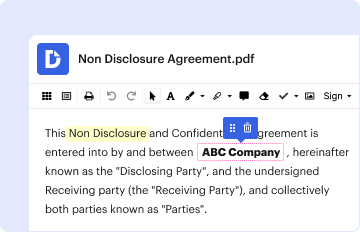
01. Edit your form online
Type text, add images, blackout confidential details, add comments, highlights and more.

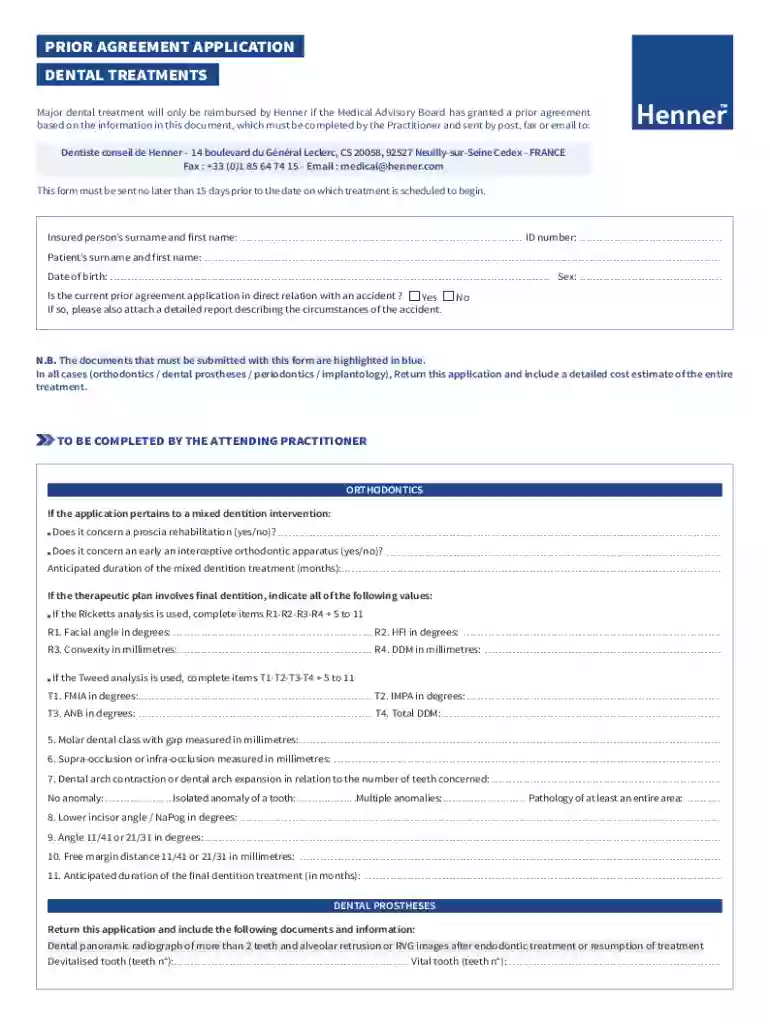
Type text, add images, blackout confidential details, add comments, highlights and more.
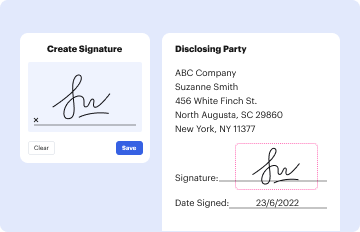
Draw your signature, type it, upload its image, or use your mobile device as a signature pad.

Send it via email, link, or fax. You can also download it, export it or print it out.
The Prior Authorization Chart for Dental Insurance is a critical tool used to ensure that dental procedures are confirmed for coverage before they are performed. This process helps patients and healthcare providers navigate insurance requirements, reducing the risk of unexpected expenses due to non-covered treatments. It outlines specific dental procedures that require pre-approval, such as orthodontics, prosthetics, periodontics, and implantology, ensuring that all necessary criteria are met according to the insurance policy.
To efficiently use the Prior Authorization Chart, users should:
Securing access to the Prior Authorization Chart typically involves contacting your dental insurance provider or downloading it from their official website. Some insurers may offer digital access through their online portals, enabling users to easily view and manage authorization requirements directly. Always ensure you are accessing the most current version to avoid outdated information.
Prior Authorization Charts play a pivotal role in managing healthcare costs and ensuring necessary treatments are covered. By obtaining pre-approval, patients can avoid unexpected out-of-pocket expenses and maintain financial predictability. This process also encourages the use of covered treatments and helps insurers manage claims efficiently.
Each state may have its own regulations governing the prior authorization process. Variations can include differences in required documentation, deadlines for submission, and state-specific insurance mandates. It is essential for patients and providers to be aware of these differences to ensure compliance and streamline the authorization process.
Consider a patient in California who requires orthodontic treatment. By consulting the Prior Authorization Chart, they learn that pre-approval is necessary. They gather the necessary documents, such as treatment plans and cost estimates, and submit them. This proactive approach ensures coverage and minimizes the financial burden associated with these services.
The transition from paper to digital versions of the Prior Authorization Chart offers enhanced accessibility and convenience. Digital charts can be easily updated, reducing the potential for errors related to outdated information. Electronic submission processes can accelerate approval times, benefiting both patients and healthcare providers.
We've got more versions of the Prior Authorization Chart - Dental InsurancePrior Authorization Chart - Dental InsurancePrior Author form. Select the right Prior Authorization Chart - Dental InsurancePrior Authorization Chart - Dental InsurancePrior Author version from the list and start editing it straight away!
At DocHub, your data security is our priority. We follow HIPAA, SOC2, GDPR, and other standards, so you can work on your documents with confidence.


