Definition and Purpose
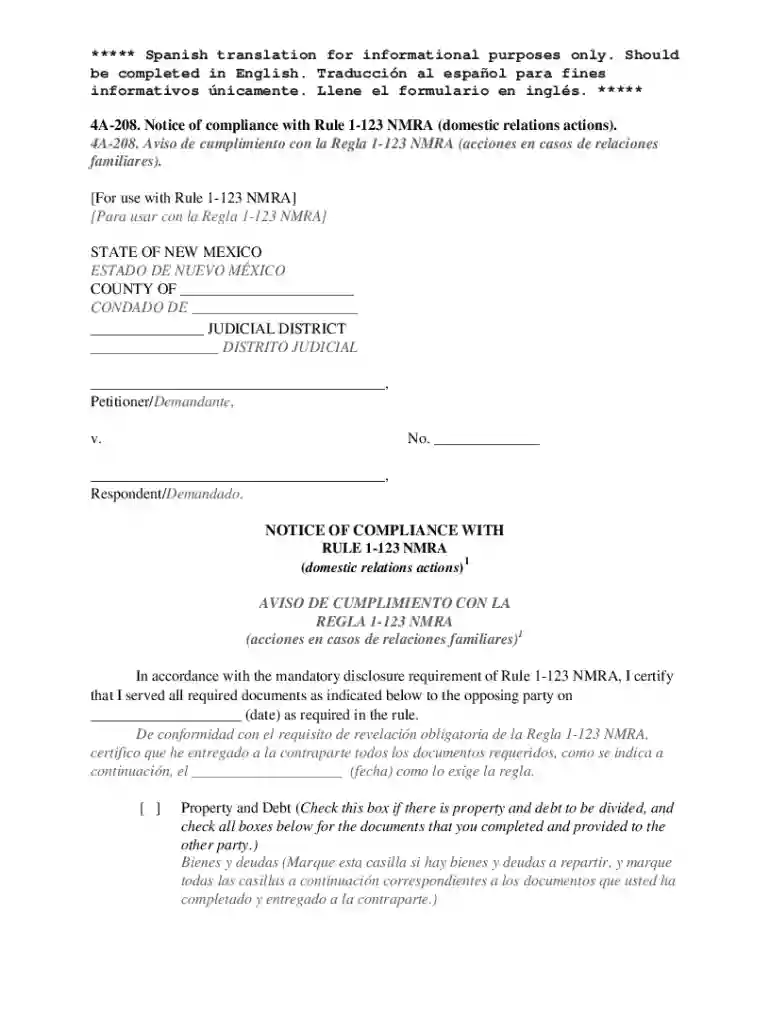
The "Translated MaterialsTexas Health and Human Services" document is designed to provide essential health and human services information in multiple languages for Texas residents. It ensures non-English speakers have access to vital resources and services without language barriers. This form facilitates equitable access to information about health services, assistance programs, and regulations, bridging communication gaps for diverse communities.
Obtaining the Translated Materials
To access the Translated Materials, individuals can visit the official Texas Health and Human Services website. Typically, these materials are available for download in various languages. Alternatively, they can be requested in physical form through mail or picked up at local health service offices. Community outreach programs may also distribute these materials during events or consultations.
Steps to Complete Translated Materials
- Determine Your Needs: Identify which specific translated materials or forms you require based on your health service needs.
- Access the Documents: Download the required documents from the Texas Health and Human Services website, ensuring you select the correct language.
- Review the Content: Carefully read through the provided information. Ensure that all sections are clearly understood to avoid misinterpretation which might lead to inaccuracies.
- Utilize Support Resources: If any sections are unclear, consider contacting local health service offices for assistance or clarification.
- Verify Accuracy: Before finalizing, check that all fields are correct and complete. For forms requiring personal information, double-check for errors.
Importance of Translating Health Materials
Providing translated health materials is pivotal for several reasons:
- Accessibility: Ensures all Texans, regardless of language proficiency, can access critical health and human services.
- Equity in Service: Promotes fairness in service provision, helping minority communities receive the same level of service as English-speaking individuals.
- Informed Decisions: Allows individuals to make well-informed decisions regarding their health and welfare, facilitated by easily understandable materials.
- Compliance with Regulations: Adheres to legal requirements ensuring services are inclusive and accessible under state and federal laws.
Who Uses Translated Health and Human Services Materials?
While primarily tailored for non-English speaking residents of Texas, these materials are widely used by:
- Immigrants and Refugees: Individuals newly settled in Texas who face a language barrier.
- Community Organizations: Groups assisting non-English speakers in accessing services, such as non-profits and advocacy organizations.
- Healthcare Providers: Medical professionals who serve diverse populations needing language support to communicate vital health information effectively.
Key Elements of the Translated Materials
- Comprehensive Information: Covers a wide array of topics, from healthcare services to assistance programs.
- High-Quality Translations: Ensures the accuracy and reliability of the information provided in different languages.
- Clear Formatting: Designed to be easily readable and understandable, with careful attention to layout and presentation.
- Frequently Updated: Regularly reviewed to incorporate new guidelines, services, or legislative changes impacting health and human services.
Legal Use and Compliance
Using the Translated Materials legally involves:
- Adhering to Regulations: Utilizing the documents in accordance with Texas State Law and federal regulations on health services and information dissemination.
- Non-Discrimination: Ensuring materials are used to enable equitable access to all individuals, maintaining non-discriminatory practices.
- Privacy Protection: Safeguarding any personal information collected when individuals use these materials to apply for services or programs.
State-Specific Rules and Regulations
Texas Health and Human Services translated materials must comply with state-specific legal frameworks:
- Linguistic Appropriateness: Ensure translations meet the cultural and linguistic nuances of Texas's diverse populations.
- State Mandates: Align with Texas-specific health mandates and public health instructions that might differ from federal guidelines.
- Regional Customization: Consider regional dialects or prevalent languages within different Texas areas, providing specialized materials when necessary.
Examples of Translated Material Use
Examples demonstrate the utility of the materials in real-world scenarios:
- Clinic Scenarios: A patient at a Texas clinic requests translated documents to understand their healthcare rights and services available.
- Community Workshops: Non-profits use translated materials in workshops to educate immigrants about health insurance options in Texas.
- School Programs: Schools distribute health promotion materials in multiple languages to ensure parents understand vaccination requirements.
Each section offers exhaustive insights and comprehensive exploration of Texas Health and Human Services Translated Materials, designed to maximize their utility and applicability.