



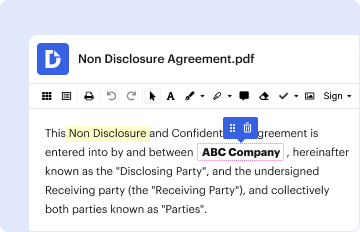
01. Edit your fair trading nsw complaint online
Type text, add images, blackout confidential details, add comments, highlights and more.

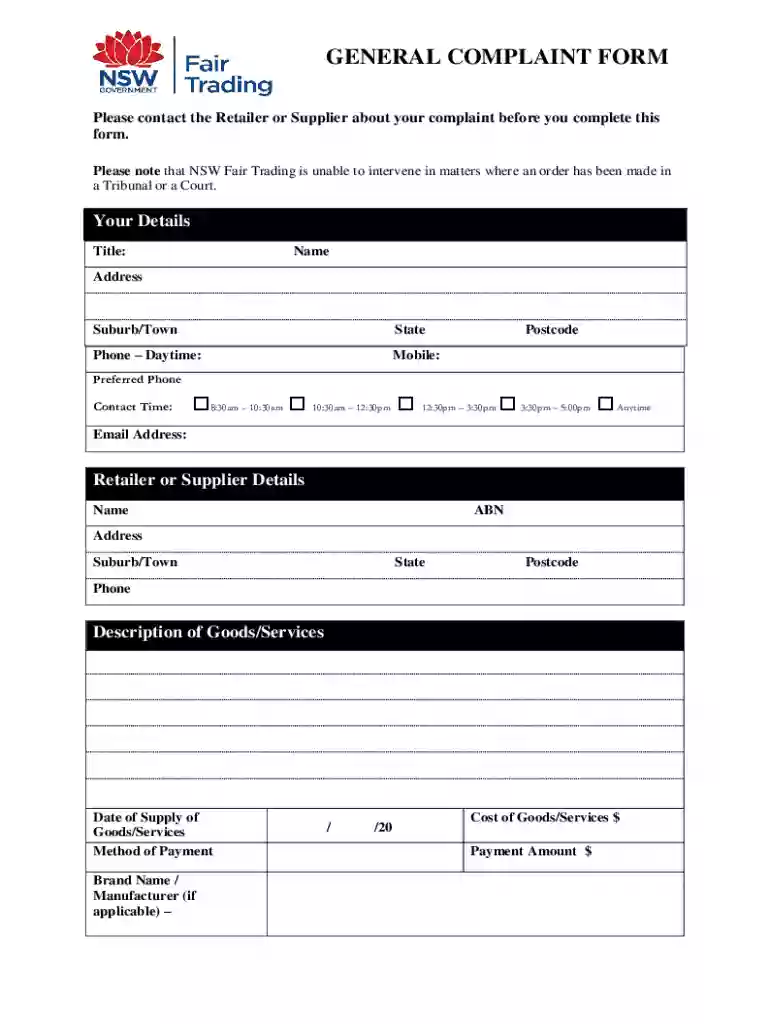
Type text, add images, blackout confidential details, add comments, highlights and more.
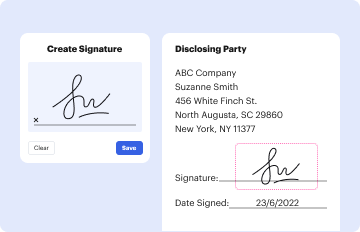
Draw your signature, type it, upload its image, or use your mobile device as a signature pad.

Send new south wales fair trading via email, link, or fax. You can also download it, export it or print it out.
The "au nsw fair trading" form is an official document used by consumers in New South Wales to file complaints against retailers or suppliers. It is designed to facilitate the reporting of issues related to products or services received, ensuring accountability and adherence to fair trading laws. The form collects detailed personal and complaint information, including contact details and specifics about the product or service in question. It serves as a structured method for consumers to seek resolution when initial attempts to address the issue directly with the retailer or supplier have been unsuccessful.
Using the "au nsw fair trading" form involves a clear, step-by-step process to ensure accurate and efficient submission. First, consumers should gather all relevant information, such as receipts, transaction records, and any correspondence with the retailer. The form requires specifics about the product or service, including purchase date and location. It's essential to provide a detailed description of the issue, stating any steps already taken to resolve it. Once completed, the form and any supplementary documents can be submitted according to the instructions provided by NSW Fair Trading.
Consumers can submit the "au nsw fair trading" form through various methods, depending on their preference and convenience. The form can typically be lodged online via the NSW Fair Trading website, which offers a streamlined digital submission process. Alternatively, consumers can choose to mail the completed form and attachments to the designated physical address. While in-person submissions may be an option, it is less common and typically requires visiting a local NSW Fair Trading office. It's important to confirm the chosen submission method's requirements to avoid processing delays.
The "au nsw fair trading" form is a legal instrument that complies with Australian consumer laws, providing a formal mechanism for addressing grievances against retailers. By submitting the form, consumers acknowledge the truthfulness of their information and agree to abide by any follow-up processes outlined by NSW Fair Trading. The authority will assess the complaint for validity, and, if necessary, mediation or further legal proceedings may follow. Consumers should understand their rights and responsibilities under these guidelines to ensure compliance and maximize the likelihood of a favorable outcome.
Several essential components make up the "au nsw fair trading" form, each contributing to its completeness and effectiveness. These elements include:
Each element plays a crucial role in building a robust case for further action by NSW Fair Trading.
Awareness of critical timelines is vital when using the "au nsw fair trading" form. While there is no specific statutory deadline for lodging a complaint, acting promptly increases the chances of achieving a timely resolution. Consumers should aim to submit the form soon after realizing an issue and after making reasonable attempts to resolve it directly with the retailer. Additionally, tracking follow-up dates and any response deadlines set by NSW Fair Trading aids in maintaining momentum in the complaint process.
Anyone who has purchased goods or services within New South Wales may be eligible to use the "au nsw fair trading" form, provided they have first tried to resolve the issue directly with the retailer. Both individuals and businesses can lodge complaints under certain circumstances. However, eligibility may be contingent on the nature of the dispute, such as issues about misleading advertising, defective products, or poor service. Ensuring that the complaint aligns with these criteria is critical for acceptance by NSW Fair Trading.


The "au nsw fair trading" form is subject to updates and revisions, which ensure that it remains aligned with current consumer laws and practices. While the primary form serves a broad purpose, specific variants may exist for particular types of complaints, such as those related to motor vehicles or real estate transactions. Staying informed about the latest version of the form can enhance efficacy and ensure compliance with the most relevant processes and policies.
Real-world scenarios where the "au nsw fair trading" form proves beneficial include disputes over faulty products, undisclosed terms in service agreements, misleading claims, and warranty issues. For instance, a consumer may use the form to report a non-functioning appliance that a retailer refuses to replace. Alternatively, a service contract discrepancy may prompt a formal complaint through NSW Fair Trading. Each use case underscores the form's role in protecting consumer rights and ensuring business accountability.
We've got more versions of the fair trading nsw complaint form. Select the right fair trading nsw complaint version from the list and start editing it straight away!
At DocHub, your data security is our priority. We follow HIPAA, SOC2, GDPR, and other standards, so you can work on your documents with confidence.
Lanyon, E. (1998). Macquarie Credit Union v director General, Department of Fair Trading. -. Eighth Annual Credit Law, Sydney NSW Australia. Lanyon, Elizabeth.
Under Australian law labeling of food products (including country of origin labels) are subject to trade practice or fair trading laws that prohibit false,
by L Crabtree Cited by 33 98 Queensland Office of Fair Trading; NSW Office of Fair Trading; Consumer Affairs. Victoria; Consumer Protection, WA; Department of CommerceRead more


