





Definition and Purpose of the FL Waiver Form
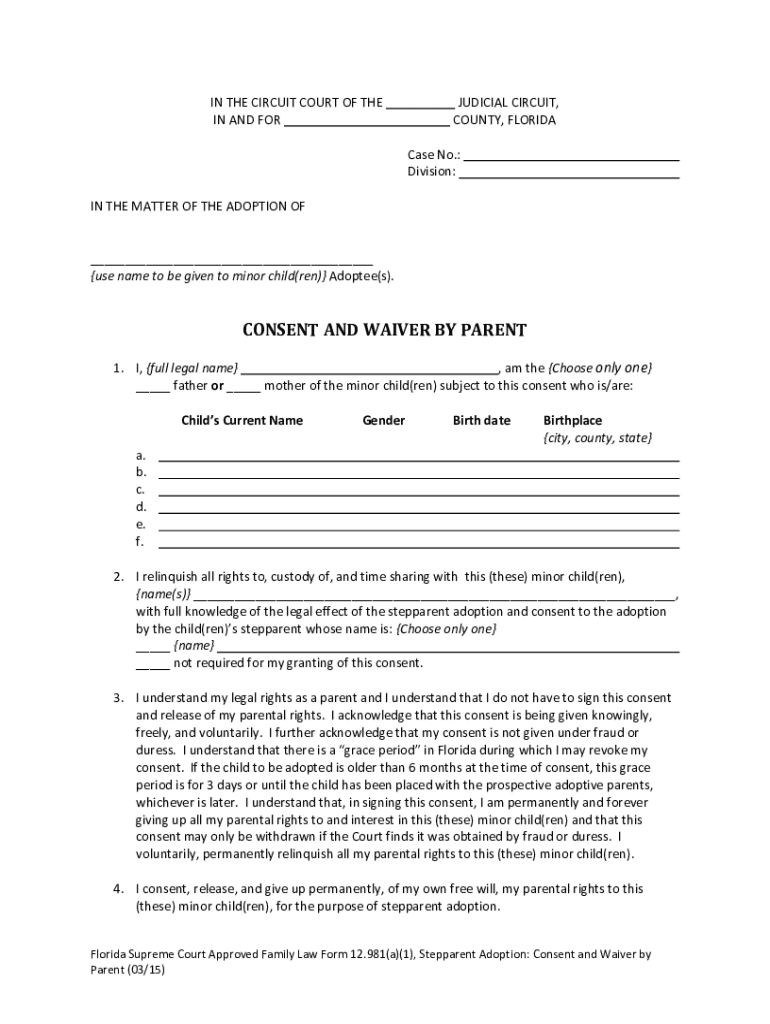
The FL Waiver Form, also known as a Florida waiver form, is a legal document designed to release one party from liability in the case of accidents or damages involving another party. This form is commonly used in various scenarios where activities pose potential risks, such as sporting events, recreational activities, or volunteer programs. By signing the waiver, the participant acknowledges the risks involved and agrees not to hold the organization responsible for any resulting harm.
Obtaining the FL Waiver Form
Several organizations in Florida offer the waiver form, customized for specific activities or events. Typically, the organization hosting the event provides the form. Those needing the form can often find it on the organization's website, where it can be downloaded and printed for completion. In certain cases, the form may be filled out in person before the event. For those seeking a generic version, legal websites and document services like DocHub provide customizable templates for creating a tailored FL Waiver Form.
Steps to Complete the FL Waiver Form
-
Read the Form Thoroughly: Begin by carefully reading the entire form to understand the terms and implications of signing.
-
Enter Personal Information: Fill in your full name, contact details, and any additional required personal information.
-
Review Risk Acknowledgment: Verify the specifics of the activity or event being referenced, and ensure you understand the associated risks.
-
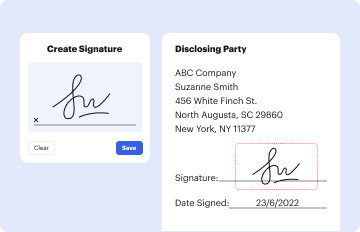
Sign and Date: Add your signature and the date at the designated section. A witness may also be required to sign, depending on the form's requirements.
-
Submit the Form: Follow the instructions for submission, whether it's returning it digitally or in person before participating in the event.
Importance of Using the FL Waiver Form
Waiver forms serve as protective legal tools for organizations, reducing the risk of lawsuits from participants who sustain injuries during activities. They ensure that individuals are informed about the risks involved in the activity or event and accept personal responsibility for them. For participants, the form emphasizes the importance of understanding potential dangers and making informed decisions.
Typical Users of the FL Waiver Form
The FL Waiver Form is predominantly utilized by organizations hosting activities that involve some level of risk. This includes adventure sports providers, fitness centers, event organizers, schools, and recreational clubs. Non-profit organizations and volunteer coordinators also employ these forms to manage liability when organizing events or community services.
Legal Use of the FL Waiver Form
The FL Waiver Form is legally binding in most cases. It serves to protect the organizer from legal claims, provided that the waiver is clearly written and the signatory fully understands the risks involved. However, it’s essential to note that waivers cannot protect against gross negligence or intentional misconduct. Legal advice is recommended when drafting or reviewing waiver forms to ensure compliance with Florida state laws.
Key Elements of the FL Waiver Form
- Detailed Activity Description: A clear explanation of the activity, including potential risks.
- Acknowledgment of Risks: Statements ensuring participants recognize and understand these risks.
- Release of Liability: A section where participants relinquish their right to sue in the event of injury or damage.
- Signature Section: Spaces for participant and, potentially, a witness or guardian signature for minors.
- Date of Agreement: Clearly stated to confirm when the waiver was signed.
State-Specific Rules for the FL Waiver Form
Florida law requires that waiver forms are unambiguous and fair. They must not contain misleading or overly complicated language, and they should provide clear warnings to the participant about the risks involved. Furthermore, in activities involving minors, parental consent is usually required, making it necessary for parents or guardians to sign the waiver form. It is crucial for waiver forms used in Florida to comply with these stipulations to ensure their effectiveness in legal scenarios.




