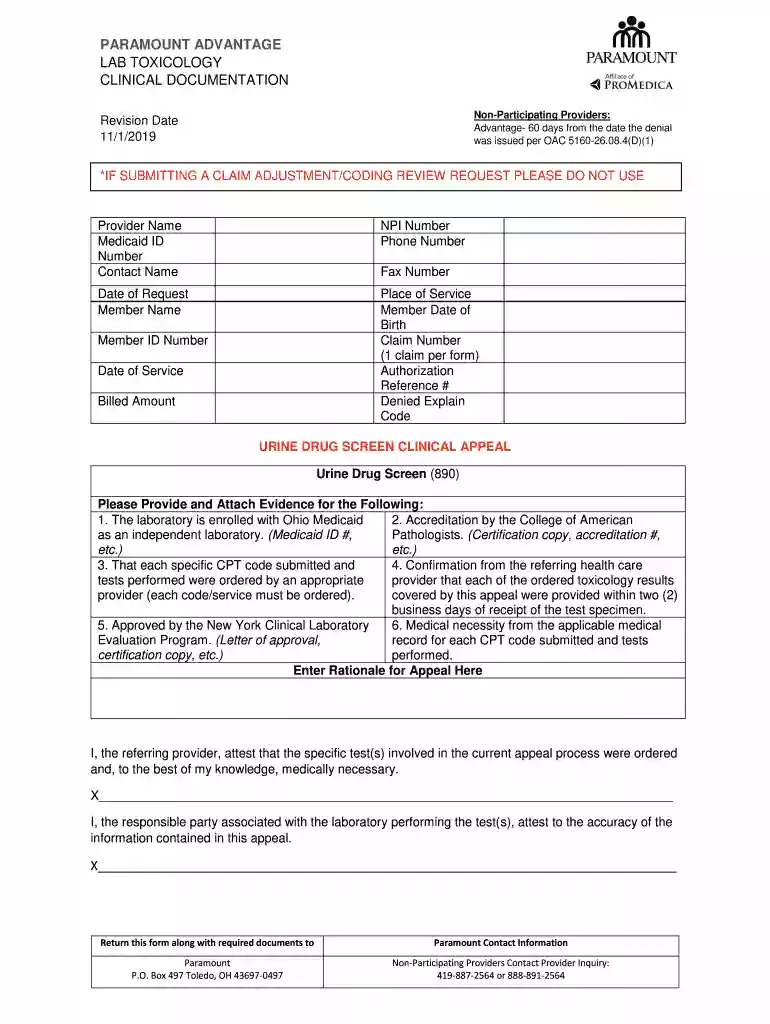
Definition and Purpose of Ohio Department of Medicaid - Covered Services
The Ohio Department of Medicaid provides a range of services to eligible individuals to ensure accessible health care. These covered services are designed to meet various medical needs, offering financial support for treatments, consultations, and medications. Coverage includes routine check-ups, specialist visits, emergency care, and prescription medications. The objective of these services is to improve public health outcomes by ensuring that necessary health care is accessible to all who qualify.
Key Services Offered
- Preventive Care: Regular health check-ups and screenings to detect potential health issues early.
- Emergency Services: Coverage for urgent medical situations requiring immediate attention.
- Mental Health Services: Support for psychiatric consultations, therapy sessions, and prescribed medications.
- Prescription Drugs: Financial assistance for medications essential for maintaining or improving health.
How to Access Ohio Medicaid Covered Services
To utilize the covered services, eligible individuals must first enroll in the Ohio Medicaid program. Enrollment involves submitting an application and undergoing an eligibility assessment. Once approved, members receive a Medicaid card, which they present at each health care visit.
Enrollment Steps
- Application Submission: Complete the Medicaid application online or in person at designated service centers.
- Eligibility Review: The department evaluates financial and non-financial criteria to determine eligibility.
- Approval and Card Issuance: Upon approval, members receive a Medicaid card for accessing services.
Steps to Utilize Ohio Department of Medicaid Services
Enrolled members can access services through participating providers. The following steps offer a guide to effectively utilizing Medicaid services:
- Card Presentation: Show your Medicaid card at each appointment.
- Provider Selection: Choose a provider within the Medicaid network to ensure coverage.
- Service Utilization: Access covered services as needed, ensuring they fall within Medicaid’s scope.
- Billing: Providers bill Medicaid directly, eliminating the need for upfront payment by the member.
Important Terms Related to Ohio Medicaid Services
Understanding specific terminology is crucial for navigating Medicaid services:
- Copayment: A small fee some members may need to pay for specific services.
- Network Providers: Health care providers that accept Medicaid, ensuring services are covered.
- Prior Authorization: Some services require approval from Medicaid before being utilized.
Key Elements of the Ohio Department of Medicaid Services
The Medicaid program incorporates several essential elements to optimize service delivery:
- Comprehensive Coverage: Includes a broad range of medical and health services.
- Cost Sharing: Lowers personal out-of-pocket expenses for health services.
- Flexibility: Offers various plans to cater to individual health care needs.
- Focus on Children and Pregnant Women: Provides enhanced support for vulnerable populations.
State-Specific Rules for Ohio Medicaid Services
Ohio has particular rules governing Medicaid services that members should be aware of:
- Service Limitations: Some services may have usage limits or require prior approval.
- Reporting Changes: Members must report income and household changes within a specified period.
- Ohio Residency Requirement: Continuing eligibility is contingent on maintaining residency in Ohio.
Examples of Utilizing Medicaid Covered Services
Various scenarios demonstrate how individuals benefit from Medicaid services:
- Chronic Disease Management: John, diagnosed with diabetes, receives ongoing care and medication through Medicaid.
- Emergency Room Visit: Sarah accesses Medicaid to cover unexpected emergency care after an accident.
- Prescriptions: Martha uses Medicaid to subsidize the cost of her essential medications.
Legal Use and Compliance with Ohio Medicaid Services
Using Medicaid services involves adhering to legal guidelines:
- Accurate Reporting: Members must provide truthful information when enrolling or updating their status.
- Service Utilization: Services should be used according to Medicaid rules to avoid penalties.
- Document Retention: Keep all communication and documentation related to Medicaid services for record-keeping.
Required Documentation for Enrollment and Services
Essential documents are necessary for enrolling in Medicaid and accessing services:
- Proof of Income: Documents like pay stubs or tax returns.
- Identification: Legal identification such as a driver's license or passport.
- Residency Proof: Utility bills or rental agreements validating Ohio residency.
Application and Approval Time for Ohio Medicaid
The application process for Medicaid involves several stages, each playing a vital role in approval:
- Initial Review: Applications are reviewed within a few weeks.
- Documentation Submission: Ensure all required documents are submitted to avoid delays.
- Approval Notification: Once approved, members receive a notification with all pertinent details.
Digital vs. Paper Version of Medicaid Application
Applicants can choose between digital or paper formats for the Medicaid application:
- Digital Application: Offers a quick and convenient way to submit and track applications online.
- Paper Application: Available at Medicaid offices, suitable for those without internet access.