



01. Edit your rak bank statement pdf password online
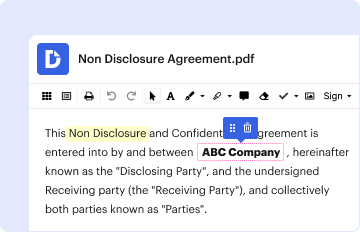
Type text, add images, blackout confidential details, add comments, highlights and more.

Type text, add images, blackout confidential details, add comments, highlights and more.
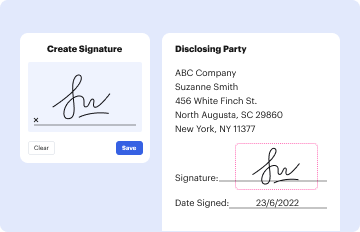
Draw your signature, type it, upload its image, or use your mobile device as a signature pad.
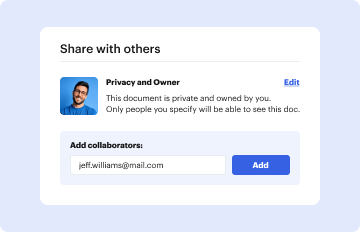
Send letter to bank manager for bank statement via email, link, or fax. You can also download it, export it or print it out.
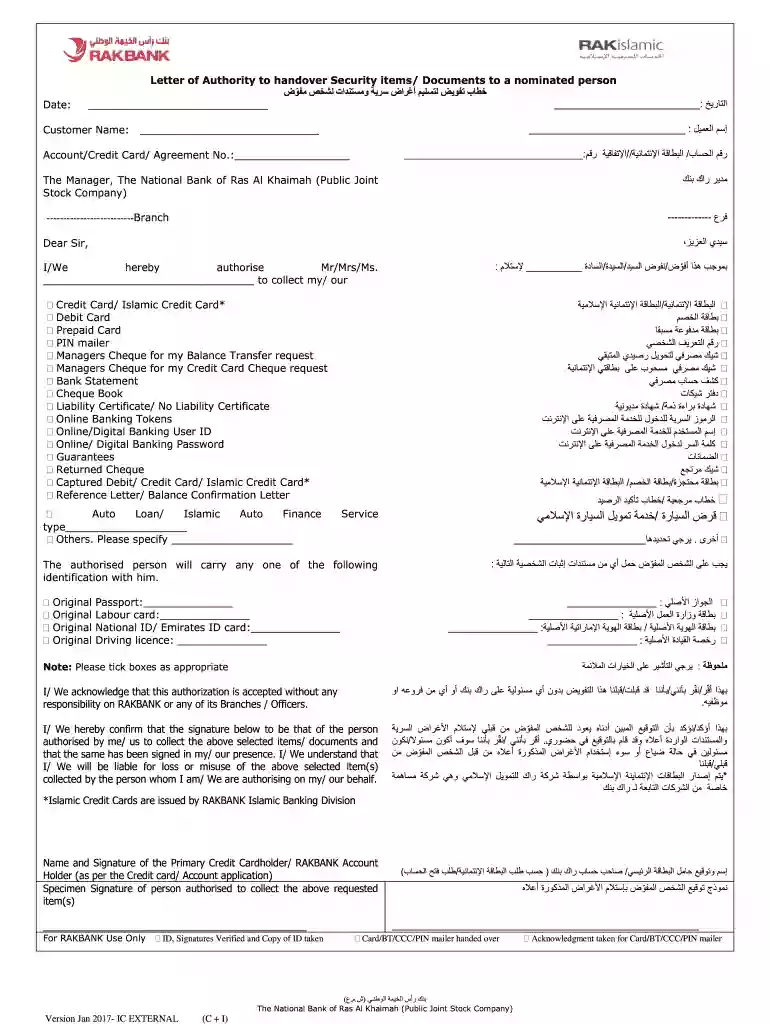
The Rak Bank letter of authority to handover security items is a formal document authorizing a designated individual to collect banking items and documents on behalf of an account holder. This authorization is generally necessary when the account holder is unable to retrieve items in person due to various reasons, such as geographical constraints or personal obligations.
The letter typically consists of several important sections:
Completing the Rak Bank letter of authority involves several key steps that ensure the document is valid and functional.
Providing clear instructions helps avoid misunderstandings during the handover process. The authorized person should understand which items to collect and any identification they may need to present at the bank.
The letter of authority must align with the identification requirements set by Rak Bank. Generally, both the account holder and the designated person must provide valid identification to validate their identities and establish trust.
For the Account Holder:
For the Authorized Person:
The Rak Bank letter of authority serves as a legally binding document, provided it meets specific criteria. For the letter to be accepted by the bank, it must include explicit consent from the account holder and comply with Rak Bank's policies.
The letter becomes legally effective once it has been signed by the account holder. This validity ensures that any actions taken by the authorized person are recognized by the bank.
Maintaining an audit trail for the transaction, including copies of the letter and records of the items collected, helps both the bank and the account holder to track movements effectively.
The Rak Bank letter allows for various items to be collected, simplifying the process for account holders unable to attend the bank. Typical items include:
Itemizing the specific items in the letter prevents confusion during collection and ensures that the authorized person knows explicitly what to obtain.
Understanding common scenarios where a Rak Bank letter of authority is utilized can highlight its importance. Examples include:
Utilizing a Rak Bank letter of authority streamlines access to banking services, maintaining efficiency and ensuring banking operations can continue smoothly despite the account holder's constraints.
While the Rak Bank letter of authority is designed to work within the operational framework of Rak Bank, there could be variations in acceptance or procedures across different regions or branches.
Knowing locality-specific differences in policies regarding the letter can prevent potential delays. It’s advisable for account holders to confirm with their local branch about specific requirements or variations in the process.
Account holders should keep handy the contact information of their specific bank branch for assistance should any questions or issues arise regarding the letter of authority.
The Rak Bank letter of authority is an indispensable tool for managing banking transactions on behalf of another individual. Understanding its structure, purpose, and requirements is essential for seamless interactions with Rak Bank, particularly when authorizing someone else to collect security items. Following established protocols ensures that both the account holder and the authorized individual have a clear understanding of their roles and responsibilities within the process.
We've got more versions of the rak bank statement pdf password form. Select the right rak bank statement pdf password version from the list and start editing it straight away!
With DocHub, it’s quite simple. The platform offers users an add-on called DocHub for Gmail, which you can find in the Google Workspace Marketplace free of charge. Install it and grant it access to your Google account. Open your email with your letter for bank statement attached and click on the add-on button in the right-side panel. Log in to your DocHub account, and upload the file to our editor, where you can complete it and sign.
If you go for analog methods of completing your application to bank manager for bank statement, you can easily download your file for printing. Search DocHub’s Forms & Templates catalog to locate the exact document template you require and open it for editing or download it on your device in the format of your liking. It is possible to complete your form electronically and place your handwritten signature on it after printing or eSign your document with DocHub.
At DocHub, your data security is our priority. We follow HIPAA, SOC2, GDPR, and other standards, so you can work on your documents with confidence.


