
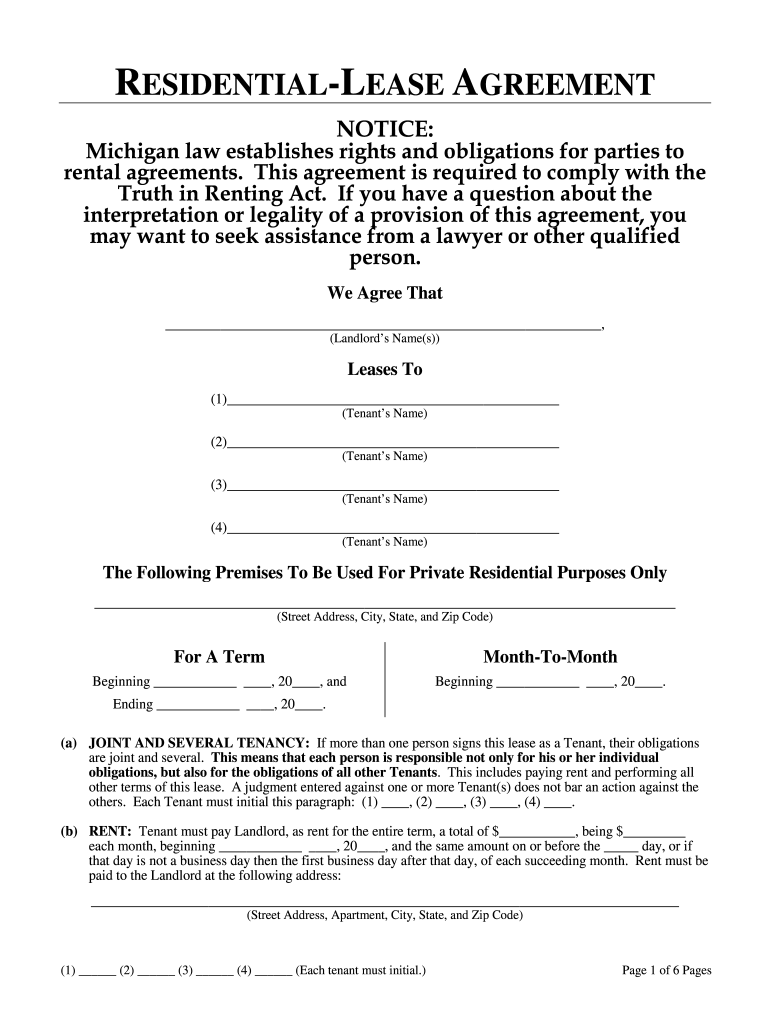







Definition & Significance of a Rental Agreement
A rental agreement in Ontario is a legally binding contract between a landlord and tenant, setting out the terms of the tenancy. It provides a clear framework for both parties, highlighting their rights and responsibilities. This document safeguards the interests of both the property owner and the renter by establishing rules for the use, maintenance, and rent payments of the property. Generally lasting for a specified term, such as a year, it ensures that both parties have an understanding of their obligations.
Key Features of the Rental Agreement
- Duration: Specifies the length of the tenancy.
- Rent Details: Outlines rent amount, due date, and acceptable payment methods.
- Security Deposit: States the amount and purpose, such as covering damage.
- Property Use: Sets guidelines for permissible use of the property and prohibitions.
- Maintenance: Clarifies responsibilities for property upkeep.
How to Obtain a Rental Agreement in Ontario
Obtaining a rental agreement in Ontario can be accomplished through various means. Typically, it involves either downloading a standardized form online or working with a lawyer to draft a personalized agreement.
Steps to Acquire the Agreement
- Online Resources: Various websites offer templates aligned with Ontario's laws.
- Legal Services: Consultation with a real estate lawyer can ensure compliance and customization.
- Landlord Associations: Acquire through membership services, providing landlord-centric agreements.
Steps to Complete the Rental Agreement in Ontario
Properly completing a rental agreement ensures its validity. This often means filling out specific sections with accurate information.
Important Sections to Fill Out
- Parties Involved: Full identification of landlord and tenant.
- Rental Term: Clearly denote the start and end date of the lease.
- Rent Payment Details: Include amount, frequency, and method.
- Responsibilities: Specify duties for maintenance and repairs.
- Signatures: Both parties must sign to make the agreement binding.
Legal Use of the Rental Agreement in Ontario
The legality of a rental agreement depends on compliance with the Residential Tenancies Act of Ontario. This statute governs rental housing, ensuring the fair treatment of landlords and tenants.
Legal Requirements
- Registration: Mandatory for certain residential properties.
- Disclosure: Necessary information must be clearly stated.
- Updates: Adherence to legislative changes is crucial for compliance.
- Dispute Resolution: Governed by Ontario’s Landlord and Tenant Board.
Important Terms Related to the Rental Agreement
Understanding the terminology used in rental agreements is vital for both landlords and tenants. Familiarity with these terms can prevent misunderstandings.
Common Terms
- Tenancy: The temporary possession of property by a tenant.
- Subletting: Allowing another party to occupy the property under the tenant's agreement.
- Breach of Agreement: Occurs when either party fails to meet lease terms.
- Notice to Vacate: A formal notification to end the tenancy.
Who Typically Uses the Rental Agreement in Ontario
This document is predominantly used by property owners and tenants. However, various professionals also find it integral to their work.


Typical Users
- Landlords and Property Managers: For managing tenants.
- Tenants: To secure housing legally.
- Real Estate Agents: In facilitating rental transactions.
- Legal Advisors: To offer professional advice and ensure regulatory compliance.
Key Elements of the Rental Agreement
A comprehensive rental agreement should contain several crucial components that define the relationship between the landlord and tenant.
Essential Elements
- Contact Information: For both the landlord and tenant.
- Property Description: A detailed account of the rented space.
- Utilities: Clarification on which party is responsible for services such as water and electricity.
- Pet Policies: Rules regarding pet ownership within the unit.
State-Specific Rules for Rental Agreements in Ontario
Ontario has specific rules that influence the structure and enforcement of rental agreements. Understanding these is crucial for effective agreement management.
Rules and Regulations
- Rent Control: Restrictions on how much rent can be increased annually.
- Occupancy Limits: Specified by municipal by-laws.
- Eviction Procedures: Regulations outlining valid eviction processes and notice periods.
- Privacy Rights: Limitations on landlord entry into the rented property.
Examples of Using the Rental Agreement in Ontario
Real-world applications of rental agreements provide clarity on their necessity and function. Scenarios illustrate how these contracts help maintain orderly landlord-tenant relationships.
Common Scenarios
- Rental Disputes: Resolving conflicts over rent terms and conditions.
- Property Damage: Addressing liability for repairs due to tenant actions.
- Lease Termination: Applying correct procedures for ending a lease before its expiry date.
These elements collectively provide a thorough guide to understanding and utilizing a rental agreement in Ontario. Such agreements protect both parties involved, ensuring a steady and transparent rental process.




