







Understanding the Unum Form
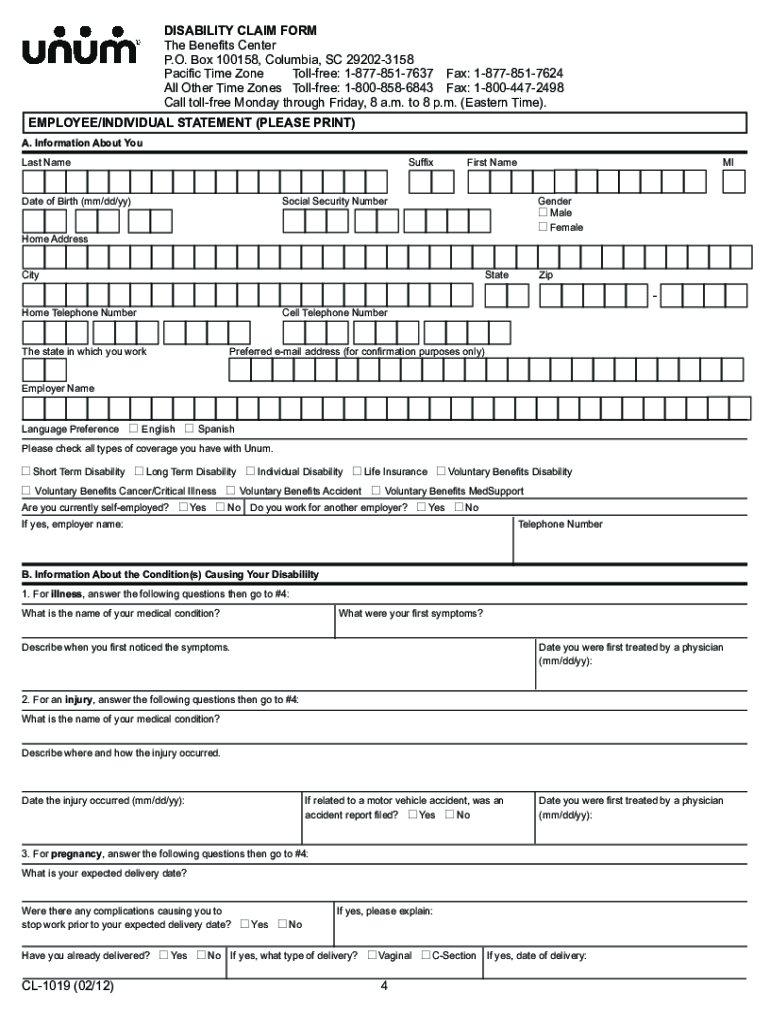
The Unum form, often utilized for disability claims, plays a crucial role in enabling eligible individuals to access the benefits they may need during challenging times. This form is specifically designed to gather pertinent information necessary for processing disability claims effectively.
Key Components of the Unum Form
The Unum form comprises several essential sections that facilitate the collection of comprehensive information from claimants:
- Personal Information: This section requests the claimant's full name, address, and contact details to establish identity and communication for follow-ups.
- Medical Information: Claimants are required to provide details about their medical conditions, including diagnoses, treatment history, and the names of healthcare providers involved in their care. This data is essential for validating the claim, helping to demonstrate the severity and implications of the disability on the claimant's ability to work.
- Employer Information: This segment collects details pertaining to the claimant's employment, including job title, duration of employment, and insurance policy information. Such specifics help ensure that the claim is processed against the correct insurance policy.
Completing the Unum Form
Filling out the Unum form accurately is critical for ensuring a smooth claims process. Here are the steps involved:
- Gather Required Information: Before starting, collect necessary documents, such as medical records, pay stubs, and previous correspondence related to the claim.
- Follow Instructions Carefully: Each section of the Unum form has specific instructions. Adhering to these guidelines is vital for completing the form effectively and avoiding delays.
- Review for Accuracy: Double-check all provided information for accuracy and completeness before submission. Even small errors can lead to processing delays or claim denials.
- Submit the Form: Once complete, submit the Unum form via the preferred submission method indicated in the instructions, such as online, email, or postal mail.
Legal Relevance of the Unum Form
The Unum form plays an integral role in accessing legally mandated benefits. It adheres to regulations under the Employee Retirement Income Security Act (ERISA), which governs the provision of employee benefits in the United States. Proper utilization of the form ensures that claimants uphold their rights when seeking benefits for long-term disabilities.
Who Should Use the Unum Form?
The Unum form is specifically targeted at individuals seeking disability benefits. This includes:
- Employees Experiencing Disability: Individuals who can no longer perform the duties of their job due to physical or mental health challenges.
- Caregivers and Family Members: Those filling out on behalf of a disabled employee who may need assistance navigating the claims process.
Common Missteps When Using the Unum Form
Claimants often encounter hiccups while navigating the Unum form due to common mistakes, such as:
- Incomplete Sections: Failing to fill out required fields may result in immediate rejection of the application.
- Insufficient Medical Documentation: Not providing comprehensive medical evidence may hinder the ability to substantiate the claim.
- Late Submission: Missing critical deadlines can jeopardize a claim, emphasizing the importance of timely submissions.
Additional Resources Available
For individuals looking to enhance their understanding of the Unum form, as well as related documentation:
- Medical Certification Form Unum: A critical document required to support the disability claim, stipulating the nature of the claimant's medical condition.
- FMLA Forms: Documentation necessary for those simultaneously engaging in Family and Medical Leave Act processes alongside disability claims.
Navigating the complex realm of disability claims can prove daunting, yet understanding and accurately completing the Unum form is pivotal in achieving a successful outcome. If further assistance is needed, claimants may also refer to legal or occupational advisors familiar with benefit applications and their requirements.




