
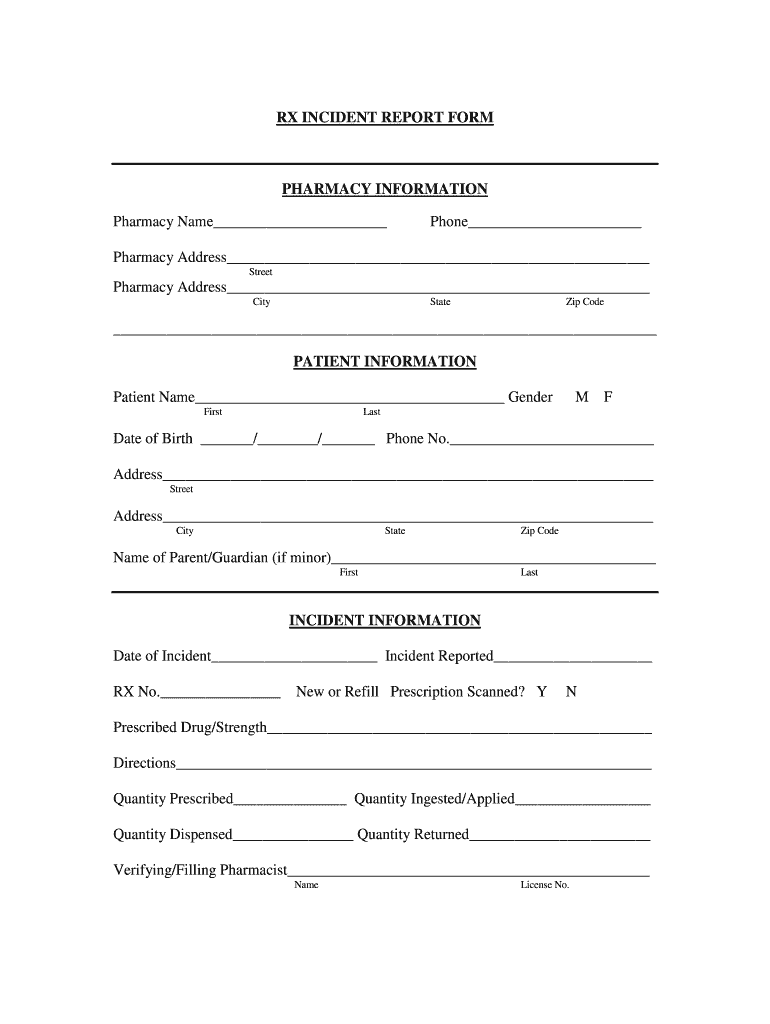







Definition & Meaning of the Report and Request Form in Pharmacy
The report and request form in pharmacy is a crucial document that facilitates the communication of medication-related concerns and requests within a pharmacy setting. This form is typically used to document incidents concerning medication errors, adverse drug reactions, or any other pharmacy-related issues that require reporting and follow-up action. The form serves both as an official record and a communication tool amongst pharmacists, healthcare providers, and patients.
Purpose of the Form
- Incident Reporting: To formally document medication errors or safety incidents to ensure proper review and corrective action.
- Request for Action: To formally request additional interventions or supplies needed within the pharmacy.
Key Components
- Identification Information: Basic data about the pharmacy, the patient involved, and the staff member reporting the incident.
- Description of Incident: Detailed accounts of what occurred, including the medication involved and the nature of the incident.
- Follow-Up Actions: Space for recommending next steps, including notifications to healthcare providers or changes in pharmacy protocols.
This document helps enhance patient safety by ensuring issues are recorded thoroughly and addressed promptly.
How to Use the Report and Request Form in Pharmacy
Using the report and request form in pharmacy involves a structured approach to documenting incidents and requesting necessary actions. Following a systematic process can ensure that all pertinent information is effectively communicated.
Steps to Complete the Form
- Gather Necessary Information: Collect patient details, incident specifics, and any additional documentation that supports the report.
- Fill in Identification Sections: Clearly input pharmacy details, including name, address, and contact information, along with the patient's identification details.
- Describe the Incident: Provide a thorough narrative of the event, including dates, involved medications, and how the error occurred.
- Detail Required Actions: Indicate the actions requested in response to the incident, such as additional documentation or changes in procedures.
- Secure Signatures: Obtain signatures from the pharmacist or pharmacy manager and any witnessing staff members to validate the report.
Best Practices for Submission
- Timely Submission: Submit the completed form as soon as the incident is identified to facilitate prompt investigation and resolution.
- Copy Retention: Keep a copy of the completed form for pharmacy records, which supports compliance with regulatory standards.
Using this methodical approach can enhance the effectiveness of communication and incident resolution within the pharmacy environment.
Key Elements of the Report and Request Form in Pharmacy
Understanding the key elements of the report and request form is essential to ensure comprehensive documentation of pharmacy incidents.
Core Components of the Form
- Patient Information: Details such as name, date of birth, and contact information are vital for accurate tracking.
- Pharmacy Details: Name and address of the pharmacy along with the pharmacy control number.
- Incident Details: An area for a detailed narrative describing what happened, when it occurred, and any contributing factors.
- Requested Actions: A section to clearly outline requests for changes or further actions required, often accompanied by proposed timelines.
- Signatures: Requirement for authentication by pharmacy professionals to confirm the report's legitimacy.
Importance of Each Component
- Accurate Patient Identification: This is crucial for follow-up and ensuring the correct medication history is referenced.
- Thorough Incident Reporting: A well-documented narrative aids in identifying patterns and preventing future occurrences.
- Clear Action Requests: Ensures that stakeholders are aware of necessary steps to take after an incident happens.
By understanding these core elements, pharmacy personnel can enhance the reporting process and contribute to improved patient safety and care.
Common Scenarios for Usage of the Report and Request Form
The report and request form is utilized in various situations within a pharmacy. Identifying common scenarios can provide clarity on when and how to employ the form effectively.
Typical Situations Requiring the Form
- Medication Dispensation Errors: When a patient receives the wrong medication or dosage, documenting the error is essential.
- Adverse Drug Reactions: If a patient experiences an unexpected reaction after taking medication, the event must be recorded and communicated.
- Inventory Requests: When a specific medication is unavailable, and a pharmacy needs to request urgent replenishment from suppliers.
Real-World Examples
- Medication Error: A patient receives a prescription for a blood thinner instead of their usual antihypertensive medication. The pharmacist uses the report form to document the error and request immediate intervention from the prescribing physician.
- Adverse Reaction Reporting: After a patient reports a severe allergic reaction to a newly prescribed medication, the pharmacy documents this incident with the report and request form to alert the manufacturer and other relevant health professionals.
By understanding these scenarios, pharmacy staff can better identify when to utilize this vital form for incident reporting and request purposes.
Legal and Compliance Considerations for Reporting
Adhering to legal and compliance standards is crucial when handling the report and request form in pharmacy. This ensures that both patient confidentiality and regulatory requirements are upheld.
Key Compliance Regulations
- HIPAA Compliance: Protecting patient privacy is essential. Ensure that personally identifiable information is only shared with authorized personnel.
- State Regulations: Familiarize yourself with state-specific laws regarding incident reporting to ensure compliance.
- Documentation Requirements: Maintain accurate records of all submitted forms as they may be subject to review by regulatory bodies.
Consequences of Non-Compliance
- Legal Ramifications: Failure to document incidents properly can lead to legal issues or penalties from regulatory boards.
- Impact on Patient Safety: Inadequate reporting may prevent health care providers from recognizing patterns that could harm other patients.
By staying informed about legal obligations, pharmacy professionals can ensure safe practices and mitigate risks associated with improper documentation and incident response.




