






Definition and Purpose of the Form
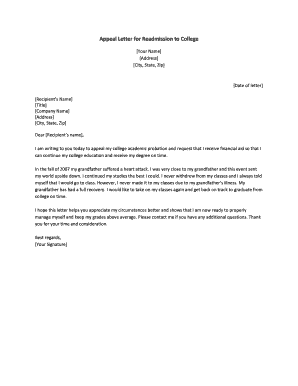
"This form must be typewritten or computer generated" is often required for official reports or applications, where clarity and precision are paramount. Typing the form ensures that the content is legible and professionally presented, reducing the chances of misinterpretation or errors that could arise from handwritten entries. Forms designed for typewritten or computer-generated entries can be found across various domains, including legal declarations, tax submissions, and professional applications, where it is critical that information is captured correctly.
Key Characteristics
- Legibility and Clarity: The primary advantage of typing or computer-generating a form is the enhancement of readability. Illegible handwriting can lead to processing delays or errors.
- Standardization: Typed entries create uniformity across forms, making it easier for reviewers to quickly locate required information.
- Professional Presentation: Many organizations require typed forms as it conveys professionalism and attention to detail, especially in business or legal contexts.
How to Use the Form
To effectively utilize a form that must be typewritten or computer generated, follow a structured approach for accuracy and completeness. Ensure familiarity with the guidelines provided by the issuing authority.
Step-by-Step Instructions
- Obtain the Template: Access the correct template from the official source, whether a government website or corporate portal.
- Fill in Information Digitally: Use software applications like Adobe Acrobat, Microsoft Word, or DocHub to input your details. These platforms offer tools for text entry, checkboxes, and digital signatures.
- Verify Entries: Double-check all filled sections for typos or omissions. Errors can lead to processing delays or rejections.
- Save and Print: Once completed, save your work. High-quality printouts might be required for submission in paper form or archiving.
Steps to Complete the Form
Completing a form that requires typing or computer generation involves a meticulous process to ensure all details are correctly captured and formatted.
Detailed Procedures
- Read Instructions Thoroughly: Begin by reviewing any attached instruction sheets or guidelines to comprehend the form's requirements.
- Gather Necessary Information: Collect all relevant documents and information before starting. This includes identification numbers, dates, and other pertinent data.
- Fill in Sections in Order: Complete the form sequentially to maintain organization and to avoid leaving out essential sections.
- Proofread Your Work: Employ spell check features and manual review to catch and correct errors.
Who Typically Uses the Form
Various professionals and organizations utilize forms that must be typewritten or computer generated. Identifying who uses these forms can help tailor the preparation and submission process.


Common Users
- Legal Professionals: Lawyers and paralegals frequently use typed forms for filings and legal documents to uphold standards of clarity.
- Government Agencies: Departments often require computer-generated forms for applications and reports to ensure detailed data collection.
- Businesses: Corporate entities use these forms for official requests, reporting, and compliance-related documents.

Legal Use of the Form
The legal use of a form requiring typing or computer generation is governed by specific standards and regulations to maintain uniformity and authenticity.
Compliance Standards
- Federal and State Regulations: Various laws mandate that official submissions such as tax forms or court documents be typed to avoid misunderstandings.
- Authenticity Assurance: Typed documents ensure that entries are verifiable, reducing the potential for fraudulent entries or alterations.
- Secure Handling: Often, these forms require submission methods that preserve confidentiality and integrity, like encrypted digital transmission or certified mail.
Key Elements of the Form
Understanding the core components of a form that must be typewritten or computer generated is crucial for correct completion and submission.
Essential Components
- Identification Information: This includes names, identification numbers, and contact details that establish the identity of the filer.
- Significant Dates: Dates pertinent to the application or report, such as filing deadlines or event occurrences.
- Signature and Authentication Fields: Areas where digital or physical signatures are required to authenticate the form.
- Clarification Sections: Parts of the form set aside for explanations or justifications, sometimes supplemented with additional attachments.
State-Specific Rules for the Form
State-specific rules often determine the precise formatting or additional requirements for forms that must be typewritten or computer-generated, particularly for legal and tax documents.
State Variances
- Regional Guidelines: Certain states may have their unique requirements for form submission, such as additional copies or specific routing procedures.
- Notarization Requirements: In some jurisdictions, a notarized signature might be necessary to validate the authenticity of the document.
- Formatting Specifications: States may prescribe how information is to be presented, dictating margins, fonts, or particular phrasing.
Examples of Using the Form
Real-world scenarios of completing and submitting a typewritten or computer-generated form illustrate its practical usage and importance.
Practical Insights
- Example 1: Legal Filings: When submitting legal documents to the court, attorneys must often provide typewritten forms to avoid rejection or processing delays due to illegible handwriting.
- Example 2: Business Applications: When applying for permits or licenses, businesses need to submit computer-generated forms as part of the compliance documentation with trade regulations.
- Example 3: Academic Submissions: Students submitting official academic records or applications are often required to use typed forms to align with institutional standards.
Each of these examples underscores the necessity of using typewritten or computer-generated forms in contexts where precision and professionalism are paramount.