







Definition & Meaning
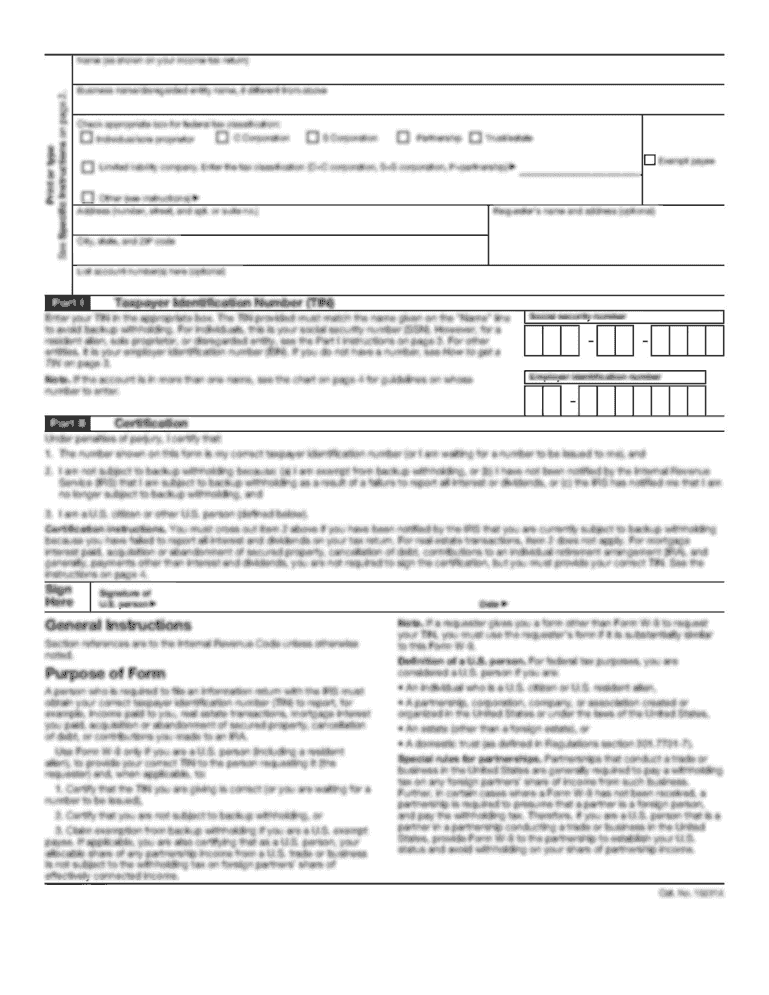
The VGLI beneficiary designation change form is essential for veterans who wish to amend the beneficiaries listed on their Veterans Group Life Insurance (VGLI) policy. This form allows policyholders to specify the individuals, trusts, or organizations that will receive the death benefits upon their passing. This process is crucial to ensure that the insurance proceeds are distributed according to the veteran's current wishes, reflecting any changes in personal circumstances, relationships, or financial planning strategies. Beyond simply listing names, the form provides specific instructions for detailing both primary and secondary beneficiaries and outlines how benefits are shared in the absence of a designated recipient.
How to Use the VGLI Beneficiary Designation Change
To effectively use the VGLI beneficiary designation change form, veterans must follow a series of steps to ensure accuracy and compliance with insurance requirements. First, the policyholder should gather all relevant personal information for each intended beneficiary, including full names, addresses, and relationship to the veteran. Second, it is crucial to specify the percentage of benefits each beneficiary should receive, ensuring that the total distribution equals 100%. Third, veterans can use this form to indicate if a trust or organization is to be named as a beneficiary, which might require additional documentation or legal consultation. By following these steps, veterans can maintain clarity and precision in their beneficiary designations.
Steps to Complete the VGLI Beneficiary Designation Change
Completing the VGLI beneficiary designation change involves several key steps:
- Obtain the Form: Start by downloading the form from the appropriate VGLI or military insurance website.
- Fill Out Personal Information: Enter the veteran's personal details, including policy number and contact information.
- List Beneficiaries: Clearly write the full names and contact information of all primary and secondary beneficiaries.
- Assign Benefits Percentages: Allocate a percentage of the total benefit to each designated beneficiary.
- Sign and Date the Form: Ensure the veteran's signature is included to authenticate the changes.
- Submit the Form: Return the completed form via mail or through any designated electronic submission methods.
Who Typically Uses the VGLI Beneficiary Designation Change
This form is primarily used by veterans who hold a VGLI policy and are considering updates to their beneficiary designations. This might include veterans who have experienced life changes such as marriage, divorce, or the birth of a child. Additionally, it is useful for individuals who wish to reflect changes in their estate planning goals, such as incorporating trusts or charitable organizations. By using this form, veterans ensure that their life insurance proceeds align with their current financial and personal circumstances.

Important Terms Related to VGLI Beneficiary Designation Change
Understanding the terminology used in the VGLI beneficiary designation change process is critical for accuracy:
- Primary Beneficiary: The main recipient(s) of the life insurance proceeds.
- Secondary Beneficiary: Also known as a contingent beneficiary, the recipient if the primary beneficiary predeceases the policyholder.
- Designation: The formal naming of individuals or entities to receive benefits.
- Proceeds: The funds paid to beneficiaries from the life insurance policy.
- Trust: A legal arrangement in which a trustee holds and manages assets for a beneficiary's benefit.
Legal Use of the VGLI Beneficiary Designation Change
Legal considerations for the VGLI beneficiary designation change are paramount to ensure that designations are effective and binding. It is important for veterans to comply with all applicable laws and regulations when completing the form. This includes correct identification of beneficiaries, precise allocation of benefit percentages, and acknowledgment of any legal implications if naming a trust or organization. Veterans should also be aware of their rights to modify beneficiary designations at any time, provided these changes adhere to the guidelines set forth by the insurance policy and relevant legal frameworks.
Key Elements of the VGLI Beneficiary Designation Change
Important elements to consider when completing the VGLI beneficiary designation change form include:
- Accurate Identification: Ensure all names and contact details are correct.
- Clear Benefit Distribution: Specify the percentages clearly to avoid misunderstandings.
- Legal Names: Use legal names as reflected in official records for each beneficiary.
- Signatures: The veteran's signature authenticates the document, making it legally binding.
- Review and Update Regularly: Periodically review the information for updates due to life changes.
Required Documents
When completing the VGLI beneficiary designation change form, it is beneficial to have the following documents on hand:
- VGLI Policy Number: Essential for identifying the insurance policy accurately.
- Proof of Identification: Official documents, such as a military ID or driver's license.
- Beneficiary Details: Information such as Social Security Numbers or addresses to ensure proper identification and processing.
- Additional Legal Documents: If naming a trust or organization, additional documents may be required to validate the designation.
This comprehensive coverage ensures veterans can manage their VGLI beneficiary designation changes efficiently and in alignment with their current life circumstances.




