
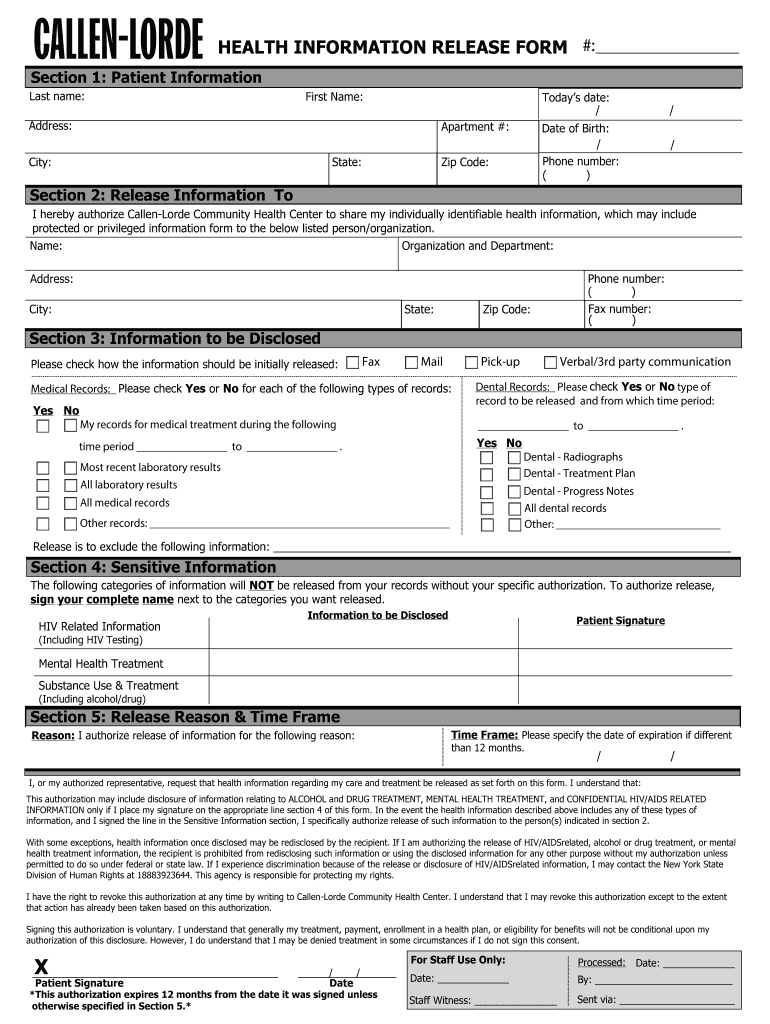







Definition and Purpose
The Patient Information Form is a vital document utilized in healthcare settings to collect essential demographic and personal information about patients. This form typically includes sections for patient name, sex, birth date, and Social Security number among other crucial details. Hospitals and clinics use this form to ensure that all necessary information is available for efficient healthcare delivery and administrative purposes. It serves as a foundational piece of documentation used for patient identification, insurance processing, and medical record keeping.
Key Components of the Patient Information Form
- Patient Name: Allows for the correct identification of the individual receiving care.
- Sex: Important for medical treatment decisions and demographic records.
- Birth Date: Essential for age-specific care recommendations and policy requirements.
- Social Security Number: Often used for insurance verification and billing purposes. However, providing this information is typically optional due to privacy concerns.
How to Use the Patient Information Form
Filling out the Patient Information Form accurately is crucial for timely and correct healthcare service delivery. Here is a step-by-step guide to completing this form:
- Gather Personal Information: Before filling out the form, gather all necessary documents such as ID, insurance cards, and any previous medical records.
- Complete the Form: Use clear and legible handwriting if completing a paper form. Double-check spelling and numbers to avoid errors.
- Review for Accuracy: Ensure that all sections of the form are filled out accurately to prevent any issues with billing or medical care.
- Submit the Form: Depending on the provider, you may need to submit the form online, in person, or via mail. Always confirm submission procedures with the healthcare facility.
Steps to Complete the Patient Information Form
Completing the Patient Information Form involves several critical steps to ensure that all necessary information is captured:
- Identity Verification: Confirm all personal details such as name, address, and contact information.
- Medical History: Provide accurate past medical history if requested, including any chronic diseases, allergies, or ongoing treatments.
- Emergency Contacts: Supply contact information for at least one emergency contact, including a phone number and relationship to the patient.
- Insurance Details: Fill in all insurance-related fields carefully, including policy numbers and provider information.
- Signature and Date: Sign and date the form to confirm that the information provided is accurate and complete to the best of your knowledge.
Why the Patient Information Form is Important
This form is a cornerstone of medical administration, helping healthcare providers maintain organized and comprehensive patient records. It supports several functions:
- Improves Patient Care: Having all relevant patient information readily available aids in delivering personalized and accurate medical treatment.
- Facilitates Billing: Accurate information enables smooth processing of insurance claims and billing procedures.
- Enhances Communication: Clear documentation allows for effective communication between different departments within healthcare facilities.
- Legal Compliance: Ensures that patient data is gathered according to legal standards, crucial for regulatory compliance and audits.
Who Typically Uses the Patient Information Form
This form is predominantly used by:
- Healthcare Providers: Doctors, nurses, and administrative staff in hospitals, clinics, and private practices use patient information for treatment and record keeping.
- Insurance Companies: Utilize patient details to verify coverage and process claims.
- Patients: Individuals fill out this form to register for healthcare services and ensure their medical needs are met.


Important Terms Related to the Patient Information Form
Understanding key terms related to the Patient Information Form is essential for both patients and healthcare providers:
- HIPAA: Health Insurance Portability and Accountability Act. A federal law that mandates the protection of patient confidentiality and information security.
- Demographics: The statistical characteristics of populations, such as age, sex, and ethnicity, which are crucial elements of patient profiles.
- PHI: Protected Health Information. Any information in a medical record that can be used to identify an individual and that was created, used, or disclosed in the course of providing healthcare services.
Key Elements of the Patient Information Form
The form contains several components that together form a comprehensive profile of the patient:
- Personal Identification: Details like the patient's full name, sex, and birth date for unique identification.
- Contact Information: Addresses, phone numbers, and emails for communication.
- Insurance Details: Information necessary for processing insurance claims and securing payment for services.
- Emergency Contact: Essential details of who to reach out to in case of clinical emergencies.
By understanding and efficiently managing the Patient Information Form, healthcare providers and patients can ensure a streamlined healthcare experience.




