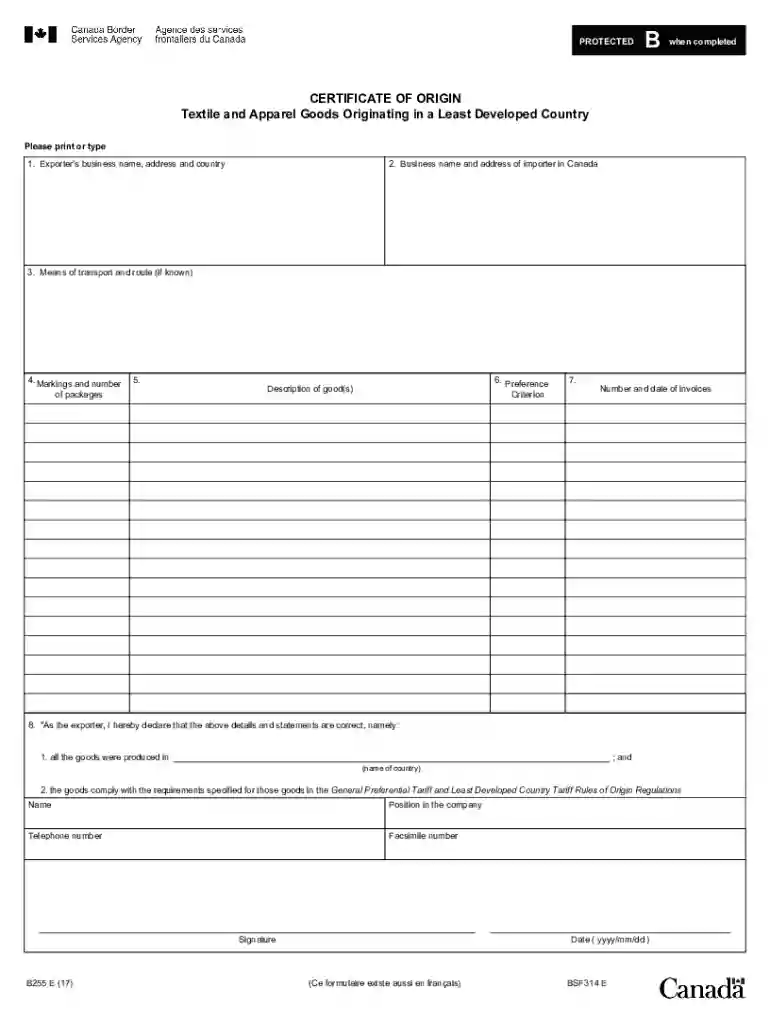
Definition & Meaning
The term "form online" refers to any structured document or questionnaire available on the internet that enables users to input data electronically. Unlike traditional paper forms, online forms are designed for ease of use, efficiency, and immediate data collection. They can be used for a wide array of purposes, such as applications, surveys, registrations, and compliance documentation. A prominent feature of form online systems is their ability to streamline processes by eliminating the manual handling of paperwork, enhancing both speed and accuracy in data management.
- Purpose: Online forms are used to collect data, gather feedback, or facilitate procedures that once required paper-based documents.
- Accessibility: Available to users from any location with internet access, ensuring wider participation and ease of completion.
- Flexibility: They can be customized to suit specific needs, ranging from simple contact forms to complex multi-page applications.
How to Use the Form Online
Using a form online involves a straightforward process that leverages technology for ease and efficiency.
- Accessing the Form: You generally start by clicking a link or navigating to a webpage hosting the form.
- Filling Out the Form: Enter the required information into the designated fields. These fields may include text boxes, dropdown menus, and checkboxes.
- Reviewing Entries: Before submission, review your inputs to ensure accuracy and completeness. Many forms have validation features to catch errors or omissions.
- Submitting the Form: Once reviewed, click the submit button. The information is then instantly transmitted to the database for processing.
- Confirmation: After submission, you typically receive a confirmation message or email verifying receipt.
Practical Tips:
- Save Progress: If applicable, use features that allow you to save your progress, especially for lengthy forms.
- Secure Information: Ensure any sensitive information is entered in secure forms that use encryption.
Steps to Complete the Form Online
Completing an online form involves several logical steps to ensure accuracy and completeness.
- Gather Necessary Information: Before beginning, collect all required details and documents that you might need.
- Read Instructions Carefully: Pay close attention to any guidelines provided at the start of the form, as they can include critical submission criteria.
- Enter Information Accurately: Fill out each section, making sure that entries are correct and properly formatted.
- Use of Dropdown Menus and Checkboxes: Select the correct options that apply to your situation, as these are built to standardize data input.
- Upload Documents: If required, attach any necessary electronic documents or evidence as per the instructions.
- Final Review: Conduct a final check of all entries for mistakes or missing information.
- Submit Form: Once satisfied, click submit and ensure it is successfully sent by checking for a confirmation.
Key Elements of the Form Online
Online forms consist of several essential components that help capture and process information efficiently.
- Input Fields: Text boxes, checkboxes, and dropdowns that allow users to enter and select information.
- Validation Rules: Automated checks that ensure the provided information meets the necessary criteria before accepting submission.
- Submit Button: A control element to finalize data entry and transmit it to the server.
- Instructions or Help Text: Guidance provided within the form itself to assist users in understanding what is needed in each section.
Example Scenarios:
- Registration Forms: Often include fields for personal details, contact information, and relevant preferences.
- Application Forms: Typically require more extensive data, such as employment history or educational background.
Legal Use of the Form Online
The legal use of forms online involves complying with relevant regulations to ensure data privacy and the validity of the submissions.
- Compliance with Data Protection Laws: Forms must adhere to regulations such as GDPR or CCPA, ensuring that personal data is handled responsibly.
- Validity of Electronic Signatures: When applicable, electronic signatures collected via forms should comply with legislative standards like the ESIGN Act.
- Terms and Conditions: Ensure users agree to any terms before completing the form to protect both the provider and the user legally.
Required Documents
Different online forms may necessitate specific documents to support the information entered.
- Identification Proof: Forms related to services or official tasks might require a government-issued ID.
- Financial Statements: For loans or financial aid applications, income proof or tax returns could be mandatory.
- Verification Certificates: Some forms need supporting certificates, such as birth or marriage certificates, depending on the context.
Considerations:
- Format Requirements: Documents may need to be in specific file formats like PDF or JPEG for successful upload.
- Multiple Documents: Ensure that all required documents are collected before starting the form to avoid incomplete submissions.
Software Compatibility
The functionality and usability of an online form can be influenced by software constraints and compatibility.
- Browser Support: Forms should be accessible across different web browsers like Chrome, Safari, or Firefox, without performance issues.
- Mobile-Friendliness: Forms need to be responsive and usable on smartphones and tablets to accommodate all users.
- Integration with Other Software: Some forms may allow data export or import to and from software like QuickBooks or Google Workspace, enhancing business processes.
Use Cases:
- Government Forms: Used by citizens to apply for public services, permits, or compliance reporting.
- Healthcare: Patients use forms for appointments, insurance claims, or health data updates.