







Definition & Meaning
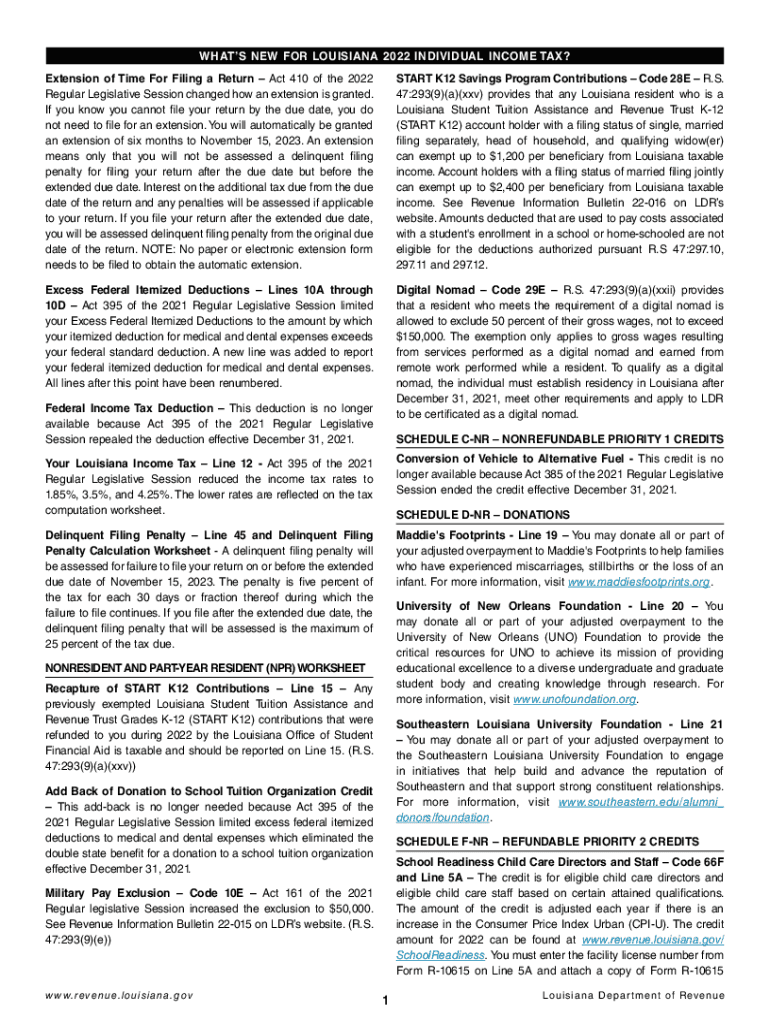
The "Online Individual Income Tax Extension Filing" is a process that allows taxpayers to request additional time to submit their federal income tax returns. This process is essential for individuals who are unable to meet the original tax filing deadline. By submitting an extension, taxpayers can avoid late filing penalties, although it is important to note that this does not extend the time to pay any taxes owed. The extension typically grants an additional six months to complete the necessary tax documentation and submit the return.
Steps to Complete the Online Individual Income Tax Extension Filing
-
Access the Form: Visit the Internal Revenue Service (IRS) website to access Form 4868, which is used for the Purpose of filing an extension for an individual tax return.
-
Input Required Information: Enter personal details such as your name, address, and Social Security Number. Ensure all information is accurate to avoid processing delays.
-
Estimate Tax Liability: Determine your estimated tax liability for the year. It's crucial to calculate this accurately, as the extension does not defer payment of taxes owed.
-
Submit the Payment: If you owe taxes, make a payment to avoid interest charges. Payments can be made electronically through the IRS payment portal or by mail.
-
File the Extension: Submit Form 4868 online or via mail. Online submissions can be completed through the IRS Free File service, which offers a fast and efficient solution.
-
Confirmation Receipt: Retain a copy of the confirmation that your extension has been filed. This documentation can be valuable in case of disputes or verification needs.
Eligibility Criteria
To qualify for an individual income tax extension, taxpayers must meet certain eligibility criteria. Generally, any U.S. resident taxpayer anticipating a need for additional time to file their tax return can apply for an extension. Specific conditions include:
- U.S. Citizens and Residents: Both U.S. citizens and resident aliens are typically eligible.
- Alive Taxpayers: You must not have passed away before the date you request the extension.
- Unfiled Previous Extensions: If a taxpayer has already received an extension for the current tax year, they are not eligible for another.


IRS Guidelines
The IRS provides clear guidelines for filing an extension. These guidelines ensure that taxpayers understand their responsibilities when seeking additional time:
- Separate Extension for Each Taxpayer: Couples filing jointly must submit a single application, whereas separate applications are required for individual filings.
- Automatic Approval: Filing Form 4868 results in automatic approval, provided it is filed correctly and before the deadline.
- No Extension for Payments: The extension only applies to the filing of forms, not the payment of taxes, which must be paid by the original deadline to avoid costs.
Filing Deadlines / Important Dates
The initial tax filing deadline for most taxpayers falls on April 15. However, specific situations might alter this date. Key deadlines and considerations include:
- April 15: The standard deadline to file taxes and apply for an extension.
- October 15: If an extension is granted, the new deadline to file the return.
- Special Circumstances: Some situations, like natural disasters or being outside the U.S., might result in adjusted deadlines.
Required Documents
When preparing to file an extension, several documents are essential to ensure accurate and complete submission:
- Previous Year's Tax Return: Provides a basis for estimating the current year's tax liability.
- Current Financial Records: Income statements, receipts, and other financial documents help in estimating taxes due.
- IRS Notice of Payments: Required if payments were made throughout the year, to include accurate amounts in the filing.
Form Submission Methods (Online / Mail / In-Person)
Various submission methods are available for filing your tax extension:
- Online Submission: The IRS Free File service offers electronic filing for quick processing and immediate confirmation.
- Mail Submission: Fill out Form 4868, attach necessary documents, and send it to the appropriate address based on your state.
- In-Person Consultation: While rare for simple extensions, taxpayers can visit IRS offices for assistance, though online methods are faster.
Penalties for Non-Compliance
Failure to file an extension or the eventual tax return by the deadline can lead to significant penalties:
- Late Filing Penalty: Charged at 5% of the unpaid taxes for each month or part of a month that a tax return is late, up to a maximum of 25%.
- Late Payment Penalties: If taxes are not paid by the original deadline, additional charges are incurred.
- Interest: Applicable on any unpaid tax from the original deadline until it is paid in full.




