







Definition and Meaning
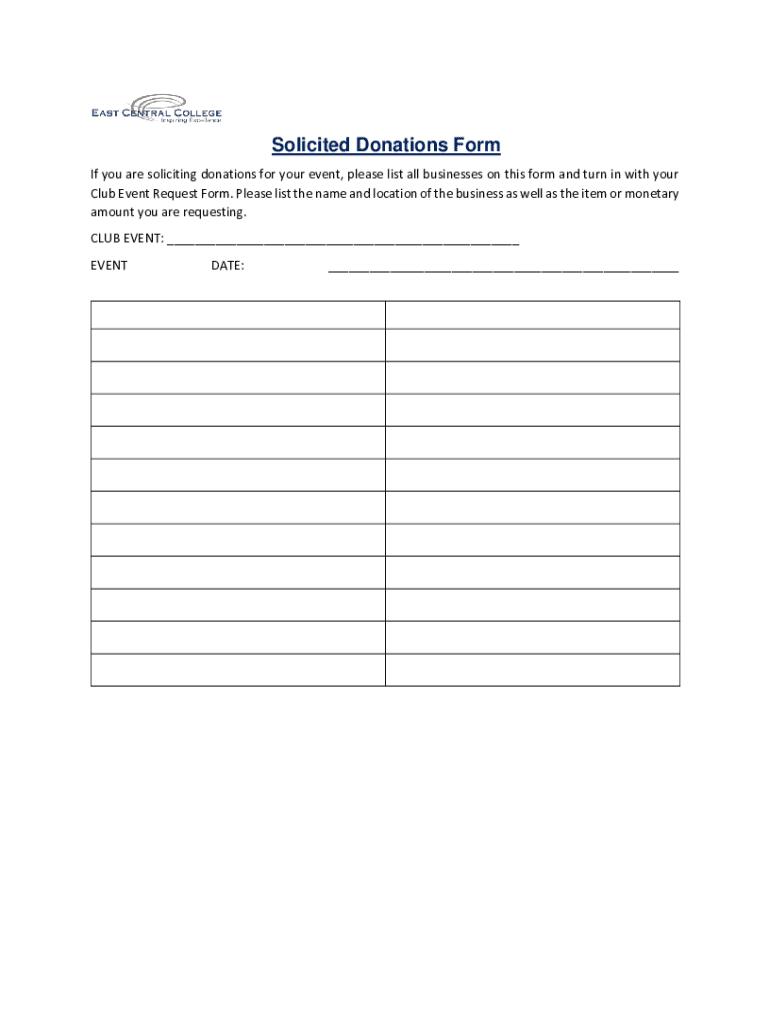
Charitable Solicitation Registration involves the formal process that nonprofit organizations must undertake to legally solicit donations from the public. It serves as a declaration of transparency and accountability, ensuring donors that the entity is genuine and responsible. The form notably highlights the importance of maintaining regulatory compliance when engaging in fundraising activities. This registration is not just an administrative step but an ethical obligation that reassures contributors of the organization’s legitimacy and mission alignment.
Relevant Examples
- Nonprofit organizations seeking to engage in fundraising events or campaigns often rely on this registration to demonstrate their commitment to ethical practices.
- Schools and community clubs that organize annual donation drives may need to file this registration to secure necessary permissions.
How to Use the Charitable Solicitation Registration Form
This form guides organizations in declaring their intent to raise funds, and it involves providing detailed information about the nature and purpose of the solicitor’s charitable activities. This process not only ensures compliance with state and national regulations but also instills trust in potential donors. Users must accurately fill each section, detailing the activities planned, the intended use of the funds, and the organizational structure.
Key Sections to Complete
- Event Details: Clearly state the event's name, purpose, date, and location.
- Organization Information: Provide official names, EINs (Employer Identification Numbers), and legal status documentation.
Steps to Complete the Charitable Solicitation Registration Form
Filling out this form requires careful attention to detail and adherence to specific guidelines. Follow these steps to ensure a smooth process:
- Gather Required Information: Collect essential details about your organization, including the legal name, address, and tax ID number.
- Provide Details of Fundraising Activities: Outline the methods of solicitation, whether through events, calls, or online campaigns.
- Attach Necessary Documents: Include any mandated supporting documentation, such as IRS determinations or previous annual reports.
- Review and Submit: Double-check all entries for accuracy before submission, ensuring compliance with all regulatory requirements.
Who Typically Uses the Charitable Solicitation Registration Form
This form is predominantly used by:
- Nonprofit Organizations: Including charitable trusts, foundations, and certain community groups aiming to solicit public donations.
- Religious Institutions: Occasionally required when engaging in broader outreach and fundraising activities beyond their immediate congregation.


Legal Use of the Registration
Ensuring the legal use of charitable solicitation registration is crucial for maintaining the organization's reputation and ensuring donor trust. The form ensures the organization is compliant with state-level regulations, mitigating the risk of penalties or legal challenges.
Compliance Highlights
- Transparency: Upholds the accountability of financial processes and donor information.
- Regulatory Adherence: Aligns with the U.S. norms for nonprofit operations, reinforcing ethical fundraising practices.
Key Elements of the Charitable Solicitation Registration Form
A few critical components within this form set the foundation for its utility and necessity:
- Donation Purpose Overview: Clearly defines the intent behind fundraising, ensuring donors are well-informed.
- Financial Accountability: Demonstrates the organization's capacity and preparedness to handle the funds responsibly.
State-Specific Rules for Charitable Solicitation Registration
Each state within the U.S. has distinctive requirements and variations of this form, reflecting local governance in nonprofit operations.
Important Considerations
- California: Requires a detailed annual return submission alongside the registration.
- New York: Mandates additional disclosures on donor solicitation paperwork.
Filing Deadlines and Important Dates
Adhering to submission timelines is critical to avoid lapses in legal compliance and to ensure uninterrupted fundraising capabilities.
Timeline Guidelines
- Annual Filings: Typically due within a set period following the end of the fiscal year, often aligning with tax deadlines.
- Renewal Dates: Specific renewal periods must be observed to maintain ongoing authorization for solicitation activities.
By addressing and understanding these elements, organizations can effectively navigate the complexities of soliciting donations while maintaining professionalism and legal integrity.




