
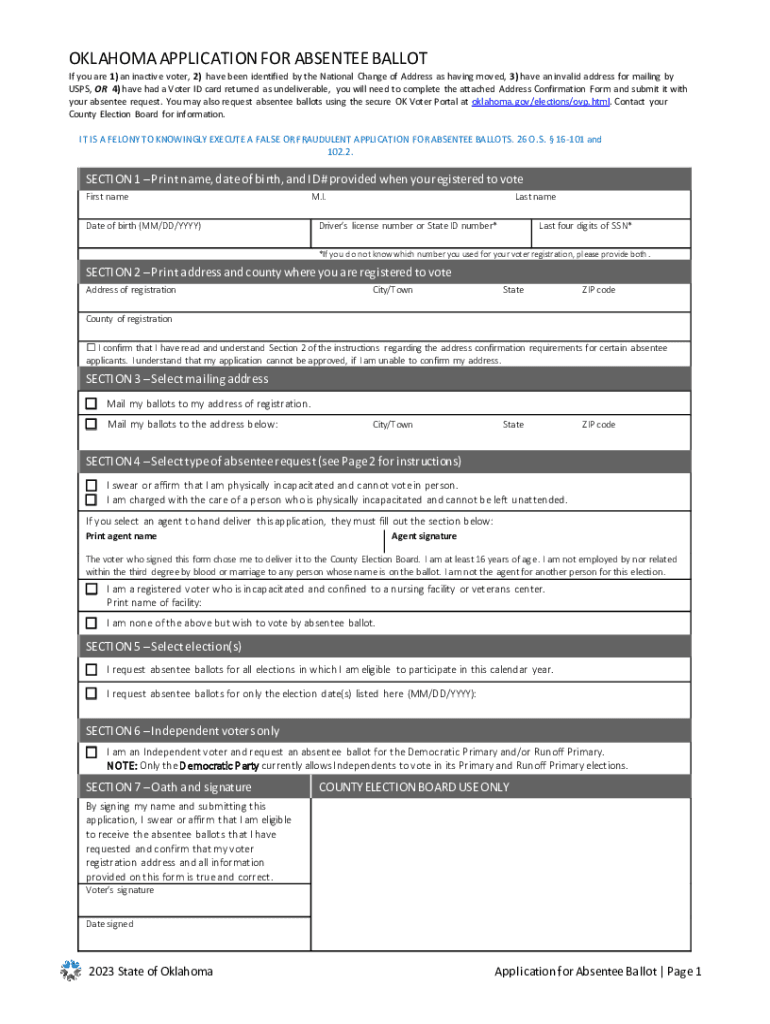







Definition and Meaning of Voter Registration Deadlines
Understanding voter registration deadlines is crucial for participating in elections in the United States. Each state may have different deadlines based on their electoral laws. These deadlines signify the final date by which eligible citizens must register to be able to vote in upcoming elections. Registration can typically be done online, through mail, or in person, depending on state regulations. Recognizing these deadlines ensures that voting rights are protected and voices are heard during elections.
Importance of Understanding Voter Laws
Voter laws encompass the rules and regulations that govern the voting process. These laws ensure the integrity, accessibility, and security of elections. By familiarizing themselves with voter laws, individuals can better navigate the voting process, understand their rights, and effectively participate in democratic processes. These laws also address issues related to ID requirements, absentee voting, and voter eligibility, which vary widely across states.
Steps to Complete the Voter Registration Process
- Determine Your Eligibility: Ensure you meet the age, residency, and citizenship requirements for voter registration in your state.
- Choose Your Registration Method: Decide if you will register online, by mail, or in person. Many states offer multiple channels to accommodate different preferences and needs.
- Gather Necessary Information: Collect required documents such as a government-issued ID, proof of residency, and your Social Security number.
- Complete the Registration Form: Fill out the registration form accurately. Double-check details such as your name, address, and political party affiliation.
- Submit Your Application: Follow the specific instructions for submission. If mailing your registration, use the correct address and ensure it is postmarked by the deadline.
- Verify Your Registration Status: Confirm your registration status to ensure your details are correctly recorded and active.
Common Mistakes to Avoid
- Missing the Deadline: Register well before the deadline to avoid last-minute complications.
- Incomplete Information: Ensure all fields of the application form are filled out to prevent delays.
- Incorrect Address: Update your registration if you have moved recently to ensure you are registered in the correct district.
State-Specific Rules for Voter Registration
State-specific rules dictate the registration process and requirements unique to each state. These rules can include:
- Voter ID Requirements: Some states require ID verification at registration or voting.
- Online Registration Availability: Not all states offer online voter registration, affecting how residents can register.
- Pre-Registration for Future Voters: Some states allow teens aged sixteen and seventeen to pre-register so they can vote when they turn 18.
Examples of State-Specific Variations
- California: Offers online registration and allows same-day voter registration.
- Texas: Does not offer online registration and has strict ID laws for voting.
- New York: Provides absentee voting without needing to state a reason, whereas other states may require a valid reason.
Why Check Voter Registration Deadlines and Laws
Checking voter registration deadlines and laws ensures that you are well-informed and prepared to cast your vote. Awareness of deadlines allows timely registration and participation in elections. Familiarity with state-specific voter laws helps avoid confusion on election day, such as understanding ID requirements or how to vote absentee. Being knowledgeable about these aspects empowers voters and supports a well-functioning democratic process.
Consequences of Not Checking Deadlines
- Ineligibility to Vote: Missing the deadline can result in not being able to participate in elections.
- Misunderstanding of Voting Process: Lack of knowledge may lead to unintentional non-compliance with voting laws, causing potential disqualification.
Who Typically Uses Voter Registration Information
Voter registration information is utilized by various groups and individuals, including:
- Eligible Voters: To register, update, and confirm their voting status.
- Election Officials: To manage and verify voter rolls and ensure accurate election processes.
- Political Campaigns: To mobilize and engage registered voters.
Importance for Different Groups
- New Voters: Especially important for those voting for the first time, including newly naturalized citizens and young adults reaching voting age.
- Frequent Movers: Individuals who have relocated need to update their information to remain eligible.
Filing Deadlines and Important Dates
Each election has specific dates and deadlines critical to the voting process. Knowing these helps ensure voter participation. Key dates include:
- Registration Deadline: Varies by state, determining when eligible citizens must be registered to vote.
- Absentee Ballot Request Deadline: Last day to request a mail-in ballot, crucial for those voting absentee.
- Election Day: The final opportunity to cast a vote, with some states offering early voting periods before the official date.
Implications of Missing Deadlines
- Absentee Voting Issues: Missing the request deadline could prevent absentee voting.
- Reduced Participation: Failing to register or vote by the deadline impacts the overall voter turnout.
Legal Use and Compliance
Understanding and following voter registration laws is essential for legal compliance. Failure to comply can result in:
- Forfeiture of Voting Rights: Missing registration or voting requirements results in ineligibility.
- Penalties for Non-Compliance: Potential legal consequences if laws are violated, such as attempting to vote when ineligible.
Best Practices for Compliance
- Stay Informed: Regularly check state election websites for updates.
- Educate Peers: Spread awareness about the importance of voter registration and compliance amongst eligible voters.
Examples of Using Voter Registration Information
Real-world scenarios involving voter registration highlight its importance:
- College Students: Students studying out of state must choose between registering in their home state or their state of residence.
- Military Personnel: Often use absentee voting to participate in elections while serving away from their registered voting district.
Case Study
A public service campaign in Florida successfully increased voter registration by targeting high schools, demonstrating the impact of proactive registration drives.




