
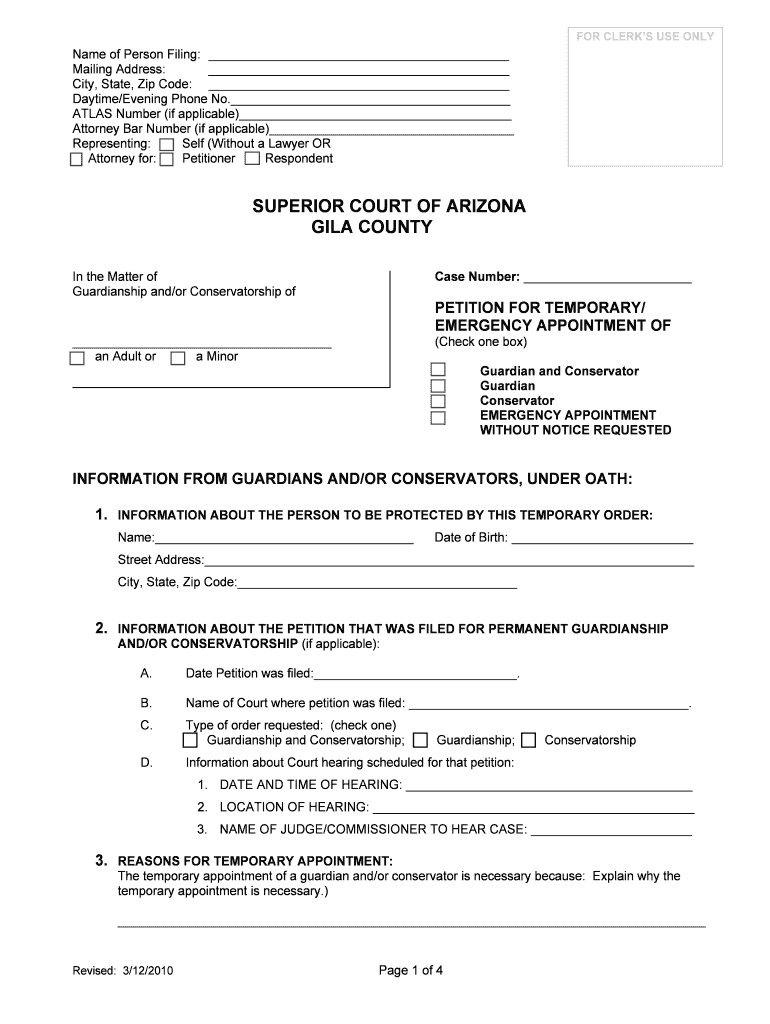







Definition & Meaning
The "Petition For Post Conviction Relief" in Mohave County Superior Court is a legal document utilized by individuals who seek to challenge their conviction or sentence after the initial trial and appeals process. This petition serves as a critical judicial tool to address potential errors in conviction, new evidence, or changes in law that might impact the original case outcomes. This form provides a structured process for articulating specific claims of wrongful conviction or sentencing issues that merit attention by the court.
How to Use the Petition for Post Conviction Relief
-
Identify Grounds for Relief: Before filing, determine the valid legal reasons for seeking post-conviction relief. These might include ineffective assistance of counsel, newly discovered evidence, or constitutional violations during the trial.
-
Gather Supporting Evidence: Collect all relevant documentation that supports your claims, including affidavits, expert reports, or witness statements, to substantiate your petition.
-
Complete the Petition Form: Fill out the form accurately, ensuring all sections are addressed comprehensively. Detail the specific claims and the relief you are requesting from the court.
-
File the Petition: Submit the completed petition to the Mohave County Superior Court. Ensure you adhere to any local filing requirements and deadlines to avoid dismissal of your petition.
-
Serve the Parties Involved: Notify the relevant parties, typically the prosecuting attorney and any other relevant entities, by providing them with a copy of the petition.
-
Monitor the Process: After filing, keep track of court notifications and any scheduled hearings related to your petition.
How to Obtain the Petition for Post Conviction Relief
-
Court's Online Portal: Visit the Mohave County Superior Court's website to download the form. Ensure you access the most recent version to comply with current procedural requirements.
-
In-Person at the Courthouse: You can also obtain a physical copy by visiting the courthouse in Mohave County. Ask at the clerk's office for assistance in locating the relevant forms.
Steps to Complete the Petition for Post Conviction Relief
-
Personal Information Section: Fill in your full name, contact information, and case number for identification.
-
Grounds for Relief: Clearly state the legal reasons for your petition. Include details such as ineffective counsel, and specify any new evidence.
-
Details of the Original Trial: Provide relevant details about the original trial, such as dates, the presiding judge, and the verdict delivered.
-
Evidence and Documentation: Attach necessary documentation that supports your petition. Make sure each piece of evidence is labeled for easy reference.
-
Requested Relief: Specify the outcome you are seeking, whether it's a reversal of conviction, a new trial, or any other relief deemed appropriate.
-
Signature and Verification: Sign the form to affirm the accuracy of the information provided, acknowledging that any false statements could result in penalties.
Why Should You Petition for Post Conviction Relief
Petitioning for post-conviction relief can potentially overturn wrongful convictions or unfair sentences, providing a means to correct judicial errors. It allows for the introduction of new evidence or addressing violations of legal rights not raised during the original trial. This process can also pave the way for exoneration, reduced sentences, or even retrials, thus ensuring justice and fairness in the judicial process.
Who Typically Uses the Petition for Post Conviction Relief
-
Wrongfully Convicted Individuals: Those who believe they have been wrongfully convicted due to constitutional violations or ineffective counsel.
-
Defense Attorneys: Legal representatives handling post-conviction appeals and seeking to rectify trial errors.
-
Legal Aid Organizations: Institutions offering pro bono services to support individuals unjustly convicted and seeking relief.


Important Terms Related to Petition for Post Conviction Relief
-
Ineffective Assistance of Counsel: Legal term referring to inadequate legal representation that failed to meet the standard of a competent attorney.
-
Exculpatory Evidence: Any evidence that may justify, excuse, or clear the defendant from alleged fault or guilt.
-
Direct Appeal: The initial appeal made to a higher court following a conviction, separate from post-conviction relief processes.
Key Elements of the Petition for Post Conviction Relief
-
Identification Details: Includes full personal and case identification information.
-
Statement of Facts: Detailed recounting of the case events and reasons for seeking post-conviction relief.
-
Legal Grounds and Argument: Articulates specific legal reasons and supporting arguments for the petition.
-
Supporting Evidence: Documentation and evidence supporting the claims made in the petition.
-
Relief Sought: Clearly defined remedies the petitioner wishes to achieve through this process.
State-Specific Rules for the Petition for Post Conviction Relief
In Arizona, and specifically Mohave County, certain procedural norms and deadlines govern the petition process. Familiarity with state-specific procedures, including filing deadlines and evidence submission requirements, is crucial. Legal guidance may be beneficial to navigate these complexities effectively and ensure compliance with state laws.
Examples of Using the Petition for Post Conviction Relief
-
Case Study 1: A defendant discovers new DNA evidence post-trial that could exonerate them, filing a petition to introduce this crucial evidence.
-
Case Study 2: A case where the trial lawyer failed to call key witnesses, the defendant files for relief claiming ineffective assistance of counsel, leading to a retrial.
-
Case Study 3: Changes in state law regarding sentencing permit a reduction in sentence, pursued through a tailored petition for relief.




