




01. Edit your m 8736 online
Type text, add images, blackout confidential details, add comments, highlights and more.

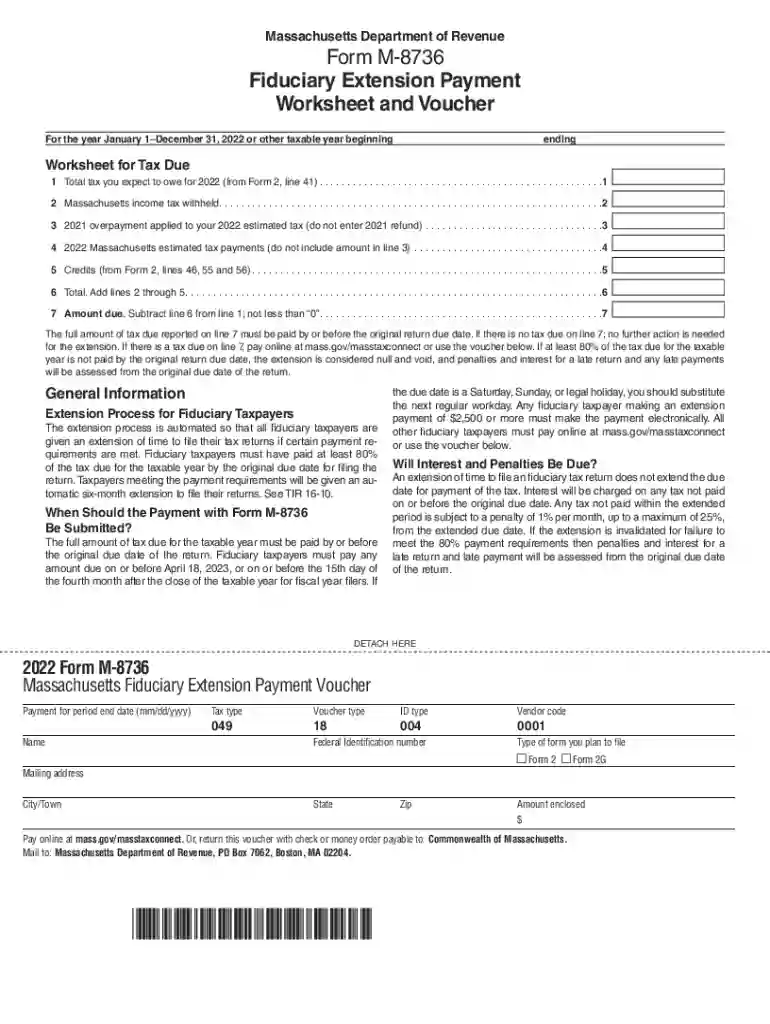
Type text, add images, blackout confidential details, add comments, highlights and more.

Draw your signature, type it, upload its image, or use your mobile device as a signature pad.

Send it via email, link, or fax. You can also download it, export it or print it out.
The "Handbook for Reproduction of Department of Revenue Forms" primarily serves as a guide to accurately reproducing official Department of Revenue forms. Designed to maintain consistency and compliance with administrative requirements, the handbook specifies the formatting, paper quality, and other technical standards necessary to ensure reproduced forms meet official standards. By adhering to these guidelines, individuals and organizations ensure their submissions are legally recognized and processed without delays.
Using the handbook effectively requires familiarity with its structure and contents. Begin by identifying the specific form you wish to reproduce and locate its corresponding section in the handbook. The guidelines will typically include details on margins, font type and size, barcode placement, and any electronic processing requirements. Follow each instruction carefully to avoid errors that could lead to the rejection of the reproduced form.
The handbook is utilized by a variety of users, predominantly those who need to produce Department of Revenue forms in bulk. These users include accounting firms, legal entities, large corporations, and software developers who provide tax preparation services. Additionally, individuals preparing forms for closed-loop business transactions may also benefit from understanding these reproduction guidelines.


Complying with the handbook's guidelines ensures that reproduced forms retain their legal validity. Tampering with or inaccurately reproducing a form can result in legal repercussions, including penalties or rejection of submissions. The handbook helps maintain a standard for authenticity and acceptability in legal and administrative processes.
Consider an accounting firm tasked with preparing a large volume of state tax forms for multiple clients. The firm references the handbook for each form to ensure their reproductions meet required specifications, thus avoiding potential issues during the filing process. By using the handbook consistently, they maintain accuracy and compliance on behalf of their clients.
The handbook provides crucial information about filing deadlines and specific dates that must be adhered to for timely submissions. Missing a deadline can result in penalties or the need for additional documentation, so it is critical to consult the handbook when planning submissions.
While the handbook provides reproduction instructions, users must ensure they supplement forms with any required documentation. This might include identification, prior tax filings, or supporting financial records depending on the form type.
Forms reproduced using the handbook's guidelines can generally be submitted through multiple channels:
Failing to adhere to the reproduction standards outlined in the handbook may result in various penalties, such as rejection of the form, fines, or legal action. Understanding and complying with every detail in the handbook is crucial to avoid these consequences.
We've got more versions of the m 8736 form. Select the right m 8736 version from the list and start editing it straight away!
| Versions | Form popularity | Fillable & printable |
|---|---|---|
| 2025 | 4.3 Satisfied (58 Votes) | |
| 2024 | 4.4 Satisfied (40 Votes) | |
| 2023 | 4.5 Satisfied (21 Votes) | |
| 2022 | 4.6 Satisfied (47 Votes) | |
| 2021 | 4.8 Satisfied (105 Votes) | |
| 2020 | 4.3 Satisfied (137 Votes) | |
| 2019 | 4.2 Satisfied (54 Votes) | |
| 2018 | 4.3 Satisfied (126 Votes) | |
| 2017 | 4.4 Satisfied (216 Votes) | |
| 2012 | 4.1 Satisfied (77 Votes) |
At DocHub, your data security is our priority. We follow HIPAA, SOC2, GDPR, and other standards, so you can work on your documents with confidence.
Department of Revenue (DOR) an application must be made to the Department on or before January 31 on form 355Q. to the assessors and Massachusetts Department
The Department will not accept reproductions of these forms unless they are scannable. 1.2 Definitions of Substitute, Scannable and Reproduced Tax Forms.Read more
Apr 15, 1976 Visit IRS.gov/ FormsPubs to download forms and publications. order current and prior-year forms and instructions.


