
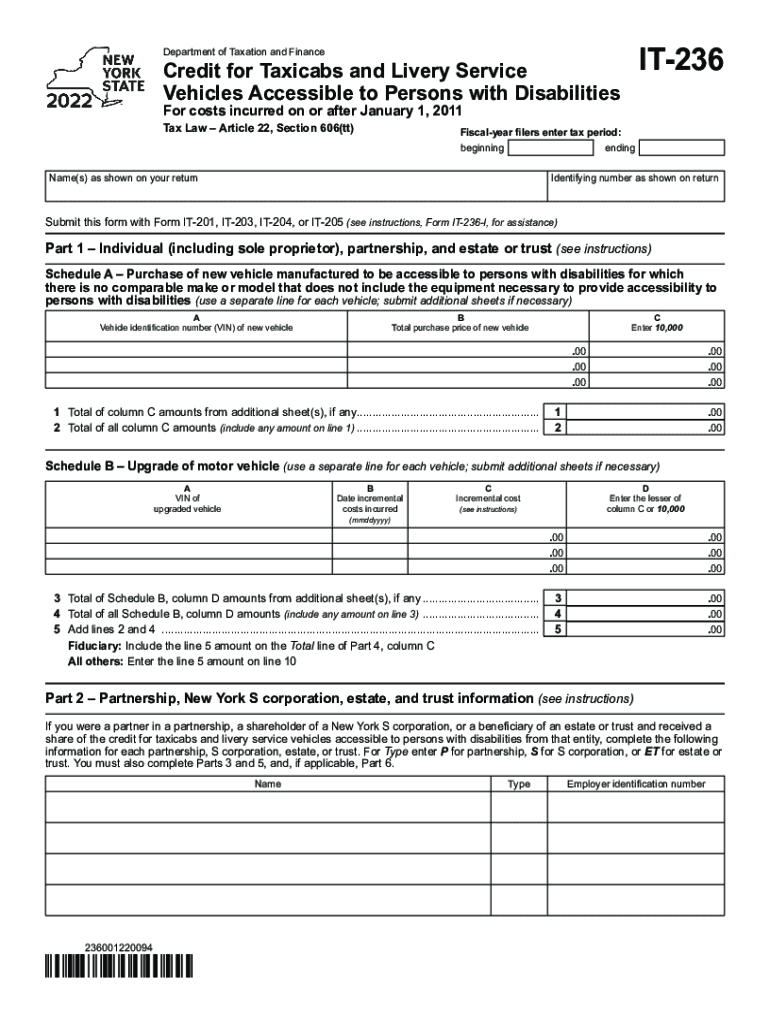







Definition and Meaning of Tax Relief for Vehicles
Tax relief on a vehicle for drivers or passengers with a disability typically refers to the deductions or credits allowed on a taxpayer’s returns to reduce taxable income in recognition of costs incurred for making a vehicle more accessible. These expenses might include the purchase or modification of vehicles that accommodate drivers or passengers with disabilities. Understanding this concept is crucial as it allows eligible individuals to claim financial relief during tax filings, contributing to the overall reduction of tax liability.
- This relief is part of the government’s initiative to support equal accessibility.
- Modifications might include installing wheelchair ramps or hand controls.
- Applicable laws may vary, but generally focus on reducing out-of-pocket costs for taxpayers.
Eligibility Criteria for Claiming Vehicle Tax Relief
To qualify for vehicle tax relief, specific eligibility conditions must be met. These typically involve both the type of vehicle and the nature of modifications made. The vehicle in question often must be used predominantly for personal conveyance by or for persons with disabilities.
- The vehicle must be titled in the name of the person with a disability or a family member.
- Modifications should be certified to cater to the specific needs of the disabled individual.
- The vehicle is generally used more than 50% of the time for qualifying purposes.


IRS Guidelines for Vehicle Tax Relief
The Internal Revenue Service (IRS) provides guidelines on how taxpayers can claim tax relief for vehicles modified for those with disabilities. These guidelines outline the types of expenses that can be deducted and the documentation required.
- Ensure to quantify eligible expenses accurately.
- Maintain all receipts of the modifications as proof.
- Consult relevant IRS publications for extensive guidelines and ensure adherence to the latest tax codes.
Steps to Complete the Claim Process
Successfully claiming tax relief involves a systematic approach to completing and submitting the necessary documentation. Detailed attention to each step ensures no missed opportunities for relief.
- Gather all supporting documentation that verifies expenses.
- Complete the relevant section on IRS Form IT-236 or any directed form.
- Submit the form along with supporting documents before the deadline.
- Store copies of submitted forms and documents for future reference.
Required Documents for Vehicle Tax Relief
Accurate and complete documentation plays a vital role in claiming tax relief. The IRS mandates several documents proving the legitimacy of the claim.
- Proof of ownership or leasing agreement of the vehicle.
- Detailed invoices of modifications or purchases.
- A certification or statement detailing the necessity of modifications for accessibility.
Application Process and Approval Time
The application process involves being thorough with the documentation and ensuring timely submissions. Approval times can vary based on the comprehensiveness of your application and current IRS processing times.
- Verify every document meets IRS requirement standards.
- Application processing typically takes 4 to 6 weeks, but delays can occur during peak times.
- Check all forms for accuracy before submission to avoid processing issues.
Important Terms Related to Vehicle Tax Relief
Understanding key terms related to claiming tax relief aids in clearer comprehension of tax laws and precise application submissions.
- Deduction: A reduction in taxable income due to qualified expenses.
- Accessibility Modifications: Changes made to a vehicle to accommodate disabilities.
- Disabled Individual: Legally recognized conditions qualifying for specific tax reliefs.
Examples of Using Vehicle Tax Relief
Providing examples clarifies the diverse scenarios in which vehicle tax relief could be applicable, making it easier for taxpayers to identify their eligibility.
- John, who installs hand controls in his primary vehicle for driving due to mobility issues, can apply for tax relief on the cost of those installations.
- Maria purchases a van with a wheelchair lift for her son with a disability; the expense of the lift is eligible for deductions.
State-by-State Differences in Tax Relief
State taxation policies can vary substantially in how they provide relief and recognize expenses related to vehicles modified for accessibility.
- Some states offer additional state-level credits or deductions beyond federal relief.
- The process might require additional state-specific forms or documentation.
Filing Deadlines and Important Dates
Adhering to key deadlines is essential to ensure successful claim submission and avoid penalties.
- Tax submissions, including relevant relief claims, are generally due by April 15th each year.
- State filing dates may differ, requiring verification for local deadlines.
Penalties for Non-Compliance
Failure to comply with the requirements or submission inaccuracies can result in unwanted penalties or loss of eligible claims.
- Errors in the application or missing documentation can lead to denied claims.
- Penalties can also include interest on unpaid taxes due to disallowed deductions.
Digital vs. Paper Version of Submission
Deciding between digital or paper submissions depends on user preference, but both have distinct advantages.
- Digital submissions can streamline processing and offer immediate confirmation of receipt.
- Paper submissions might allow for more personalized documentation handling, with some taxpayers preferring a physical paper trail.
Who Initially Issues the Claim Form
Understanding where to obtain the necessary forms is essential for getting started with the process.
- The IRS is responsible for issuing most of the tax relief forms needed to make a claim.
- Some modifications may also require certifications from healthcare professionals or verifications of necessity.


