




01. Edit your form online
Type text, add images, blackout confidential details, add comments, highlights and more.

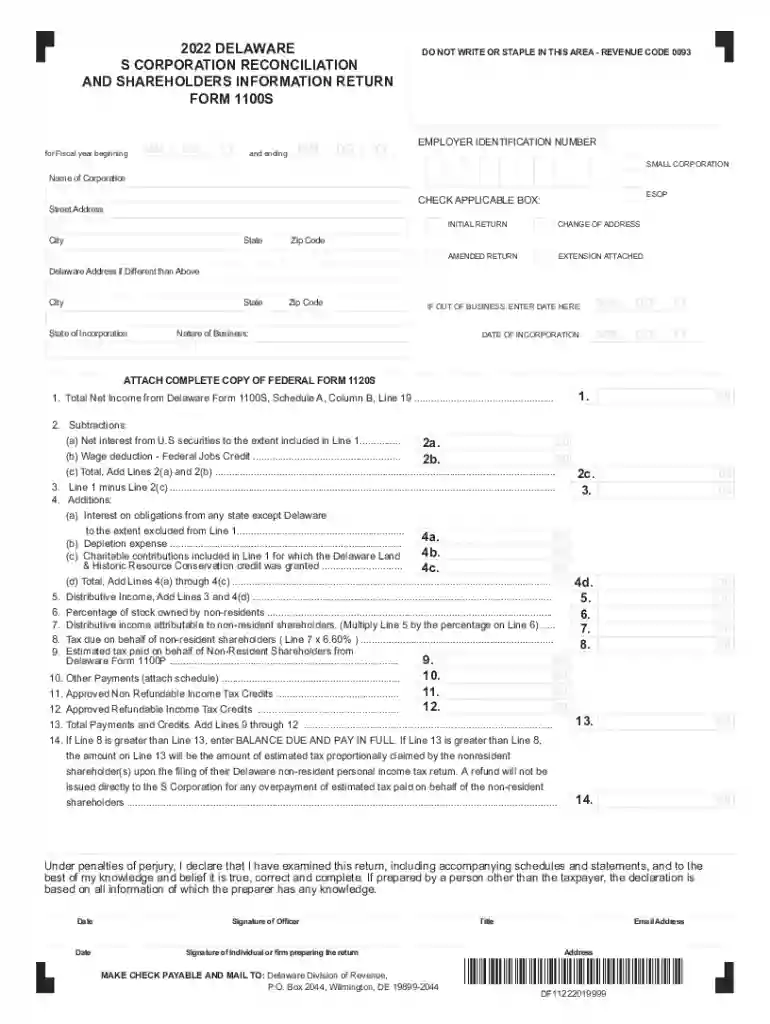
Type text, add images, blackout confidential details, add comments, highlights and more.

Draw your signature, type it, upload its image, or use your mobile device as a signature pad.

Send it via email, link, or fax. You can also download it, export it or print it out.
Form 2553, also known as the Election by a Small Business Corporation, is a tax document that allows eligible small businesses in the United States to elect S Corporation status. This election is significant because it changes how the entity is taxed under federal law, shifting the tax burden from the business itself to the individual shareholders, which can provide potential tax advantages. Understanding the exact implications of this form is essential for business owners considering an S Corp election, particularly regarding their responsibilities and the benefits of reduced self-employment taxes.
To utilize Form 2553 effectively, businesses must first determine their eligibility for S Corporation status. This involves ensuring the entity meets specific IRS requirements, such as being a domestic corporation with allowable shareholders. Once eligibility is confirmed, business owners should follow the IRS guidelines to correctly fill out the form, paying close attention to details like shareholder consent and the desired effective date. Attention to these details can significantly impact the corporation's tax treatment and financial planning.
The IRS provides explicit guidelines for completing Form 2553, including eligibility criteria and filing deadlines. Businesses are advised to consult these guidelines thoroughly to avoid common errors that could delay processing or invalidate the election. Key IRS mandates include the need for unanimous shareholder consent and adherence to submission timelines to ensure the election takes effect for the intended tax year.
To ensure timely processing of Form 2553, businesses should be mindful of the deadlines. Generally, the form must be filed no later than two months and fifteen days after the start of the tax year for which the election is intended. Late elections can sometimes be accepted with the reasonable cause exception, but all deadlines should be met to avoid administrative challenges.
An entity must meet certain conditions to be eligible for S Corporation election. These include being a domestic corporation, having no more than 100 shareholders, and issuing only one class of stock. Additionally, all shareholders must agree to the S Corporation status, and certain types of entities, such as certain financial institutions and insurance companies, are not eligible.


Small to medium-sized businesses, particularly those structured as limited liability companies (LLCs) or corporations that wish to avoid double taxation of income, benefit significantly from S Corporation status. The S Corp election allows the business income to be reported on individual tax returns, reducing overall tax liability and enhancing tax efficiency for qualified businesses.
Consider a small tech startup originally structured as a C corporation seeking to reduce self-employment taxes. By filing Form 2553, the business can opt for S Corporation status, thus allowing the owners to shift a portion of their income to dividend payments, which are taxed at a lower rate. Similarly, established LLCs electing S Corp status can leverage tax savings, impacting their cash flow positively.
Failure to comply with the requirements associated with Form 2553, such as missing the filing deadline or inaccurately completing the form, can result in significant tax liabilities. Non-compliant corporations may be subjected to default C Corporation tax treatment, resulting in double taxation of income. Businesses are advised to double-check all details before submission to avoid these penalties.
We've got more versions of the How to Fill out Form 2553, Step by Step TAXES S2E62 form. Select the right How to Fill out Form 2553, Step by Step TAXES S2E62 version from the list and start editing it straight away!
Yes, and it’s really easy! DocHub is an online PDF editor with advanced document processing capabilities that allow you rapidly adjust your documents, complete blank fields and add new ones for others to fill out, and create electronic signatures in several ways. Upload your How to Fill out Form 2553, Step by Step TAXES S2E62, give information as required, and decide how you want to eSign your template - by typing your name, drawing your signature, uploading its image, or utilizing a QR code.
If you store your papers in Google Drive, there is no need to download your How to Fill out Form 2553, Step by Step TAXES S2E62 on your computer and upload it back to our editor. A significantly simpler way is to set up a browser extension developed by DocHub to simplify this flow. The extension allows editing PDFs right in your web browser. Alternatively, you may integrate your DocHub and Gmail accounts for more efficient modifying.
At DocHub, your data security is our priority. We follow HIPAA, SOC2, GDPR, and other standards, so you can work on your documents with confidence.


