




Here's how it works
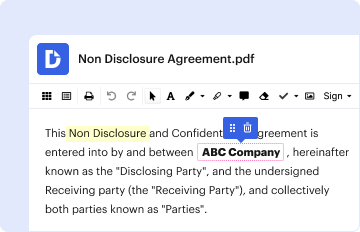
01. Edit your card acceptance guidelines for visa merchants online
Type text, add images, blackout confidential details, add comments, highlights and more.
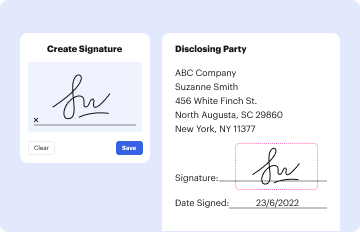
02. Sign it in a few clicks
Draw your signature, type it, upload its image, or use your mobile device as a signature pad.

03. Share your form with others
Send it via email, link, or fax. You can also download it, export it or print it out.
How to use or fill out Card Acceptance Guidelines for Visa Merchants - georgiacourts with our platform

- Click ‘Get Form’ to open the Card Acceptance Guidelines in the editor.
- Begin by filling out the ORI Number and Civil Action File No. on the first page. This information is crucial for identifying your case.
- Proceed to complete the sections regarding the Petitioner and Respondent details, ensuring all names and addresses are accurate.
- In the main body of the form, carefully read through each provision and fill in any required fields, such as distances or specific dates related to court appearances.
- Review all entered information for accuracy. The platform will automatically update relevant fields across pages, so ensure consistency throughout.
- Once completed, select 'Print' to obtain a hard copy of your form. If you need to start over, use the 'Reset' option to clear all entries.
Start using our platform today for free to streamline your document editing and completion process!
Fill out Card Acceptance Guidelines for Visa Merchants - georgiacourts online
It's free
It's free
See more Card Acceptance Guidelines for Visa Merchants - georgiacourts versions
We've got more versions of the Card Acceptance Guidelines for Visa Merchants - georgiacourts form. Select the right Card Acceptance Guidelines for Visa Merchants - georgiacourts version from the list and start editing it straight away!
| Versions | Form popularity | Fillable & printable |
|---|---|---|
| 2014 | 4.8 Satisfied (202 Votes) |
Got questions?
We have answers to the most popular questions from our customers. If you can't find an answer to your question, please contact us.
Contact us
What is the visa accept all cards rule?
The first is that the rule requires merchants to accept Visa cards regardless of which bank or financial institution issued the card. This might be best thought of as an honour all issuers rule. The second is that the rule requires merchants to accept all products issued under the Visa brand.
What is the Visa integrity risk program?
The Visa Integrity Risk Program (VIRP) helps Visa monitor and manage high-risk merchants in the payment processing industry. This program prevents fraud and keeps the Visa payment system secure. Evaluators assess high-risk merchants based on their business type, transaction patterns, and chargeback rates.
What is the Visa risk compliance program?
The Visa Integrity Risk Program (VIRP) was created to ensure that acquirers maintain proper control over their merchants. Its primary goal is to protect the acquirers and the integrity of the Visa payment system by preventing merchants from: Processing transactions that are illegal.
What are the rules for convenience fee Visa?
According to Visas rules, Convenience Fees have to appear (and be processed and authorized) as a single transaction by the merchant of record. Solutions which process convenience fees as two separate transactions are therefore non-compliant, and can compromise your merchant account.
What are the card organization rules?
Card Organization Rules means the rules, regulations and other requirements supplied to the City regarding Card transaction processing, equipment or transmission requirements, data security, Chargebacks, and other operational and compliance matters, including those of the PCI Security Standards Council, LLC and the
Security and compliance
At DocHub, your data security is our priority. We follow HIPAA, SOC2, GDPR, and other standards, so you can work on your documents with confidence.
Learn more


People also ask
What is the Visa acceptance risk standard?
The Visa Acceptance Risk Standards (VARS) is a risk control framework designed to help safeguard Acquirers and the Visa payment system. The clients include Acquirers and Money Movement Entities, who use the Visa Payment Network (VisaNet).
What is the high-risk registration program for Visa?
The Visa/Mastercard annual high-risk registration fee is a recurring charge imposed on merchants that operate in industries deemed high-risk. This fee aims to offset the additional risks of processing payments for such businesses, including increased fraud potential, chargebacks, and legal or regulatory complexities.