
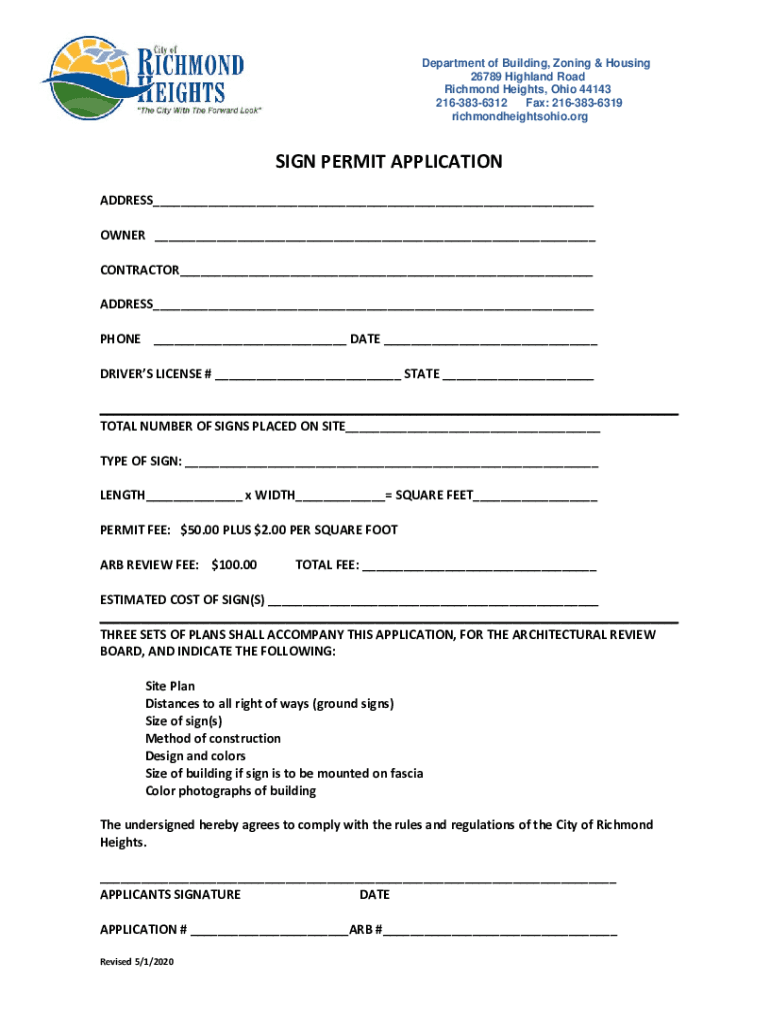







Definition and Meaning of Fax:
Fax: refers to a fax number used to send or receive documents electronically over a telephone network. Traditionally, faxes involve the transmission of printed material, scanned into a digital image, over a phone line to produce a physical output on paper at the receiving end. This technology acts as a bridge between older document transmission methods and more modern digital practices like email and electronic signatures. In the context of document workflows, such a fax number enables individuals and businesses to exchange documents without the need for mailing hard copies, aiding in faster communication and reducing the need for physical storage.
Steps to Use Fax:
-
Document Preparation: Before sending a fax, ensure that the document is complete and correctly formatted. This involves adding any necessary annotations or signatures and ensuring clarity in any scanned images.
-
Fax Machine Setup: If using a traditional fax machine, input as the destination number. For online fax services, upload the document and input the number accordingly.
-
Transmission: Start the transmission process. The machine or online service will scan and encode the document before sending it through the telecommunications network.
-
Confirmation Receipt: After the fax has been sent, a confirmation receipt should be generated, indicating that the document was successfully transmitted to the intended recipient.
Importance and Benefits of Fax:
Fax: remains relevant in business practices due to its ability to handle various document formats and large files securely. It mitigates the risk of data breaches often associated with email while providing legally recognized proof of sending and receiving documents. Additionally, using a fax number supports compliance with certain industry regulations requiring secure document transmission.
Who Typically Uses Fax:
Professionals in industries such as legal, healthcare, and government often use traditional faxing methods. These sectors prioritize confidentiality, making fax an attractive option due to its direct and encrypted pathways. Moreover, businesses dealing with international partners or those adhering to specific compliance requirements may prefer fax for its robustness and reliability compared to other forms of document sharing.
Key Elements of Fax:
- Transmission Medium: Unlike emails that travel through public networks, faxes use a direct connection between machines, enhancing security.
- Proof of Sending: Faxing provides users with a transmission log, crucial for records and disputes.
- Compatibility: Fax can handle various document types, including text-heavy forms and simple image scans.
Legal Use of Fax:
In the U.S., fax communications are legally binding in many scenarios, provided they meet certain content and format requirements. Documents sent via fax are often accepted in legal settings as valid proofs of transaction or agreement, thus maintaining their relevance in legal and formal business contexts.
State-Specific Rules and Compliance
Certain states may have specific regulations governing the use of fax for legal and business transactions. It is essential for users in those jurisdictions to understand any state-specific mandates that might influence their use of fax, especially concerning records retention and privacy laws.
Examples of Using Fax: in Real Scenarios
- Healthcare: Transmitting patient records securely to specialist clinics while safeguarding privacy under HIPAA regulations.
- Legal Firms: Sharing case documents and contracts swiftly between affiliated offices or to clients in different locations.
- Construction Companies: Sending project blueprints or permits to clients and contractors for approval or review in a professional and reliable manner.
Required Documents for Successful Fax Transmission
- Cover Sheet: An introductory page outlining the sender, recipient, and brief description of the contents.
- Contact Information: Sending and receiving party's details for any follow-up communication.
- Legal Notices: Any confidentiality agreements or notices that may need to accompany sensitive documents.
Form Submission Methods: Fax, Online, Mail
The use of fax adds flexibility to document submission, complementing online and mail methods. While online submissions offer speed and convenience, faxing ensures a reliable fallback when digital pathways are not feasible or secure enough for certain documents.




