






Understanding the Agreement Between Peers
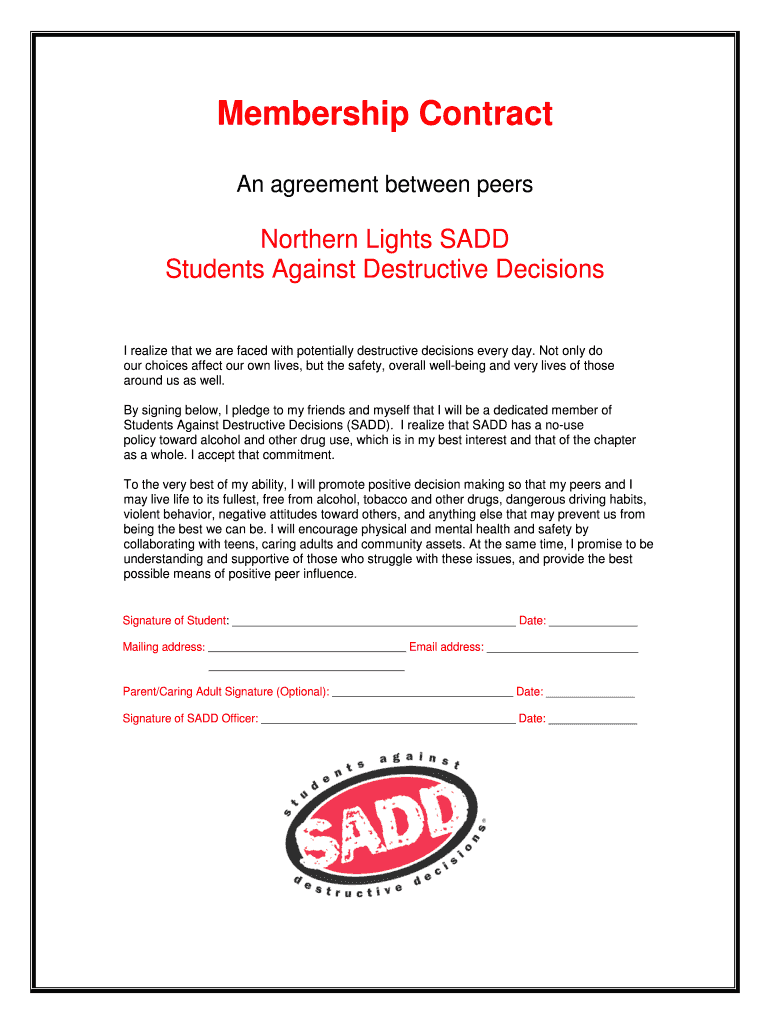
An agreement between peers is a mutual arrangement where individuals or groups define roles, responsibilities, and expectations. It emphasizes collaboration, respect, and shared goals.
Key Elements of the Agreement
- Purpose and Objectives: Defines the goals and what the parties aim to achieve.
- Roles and Responsibilities: Clarifies expectations and duties for each party involved, ensuring accountability.
- Duration: Specifies the time frame for which the agreement is valid.
- Confidentiality: Often includes clauses to protect sensitive information shared during collaboration.
- Dispute Resolution: Outlines methods for resolving disputes, maintaining harmony between parties.
Importance of the Agreement
- Promotes Clear Communication: Prevents misunderstandings by delineating responsibilities and expectations from the outset.
- Builds Trust: Establishes a framework of accountability and reliability, enhancing partnerships.
- Facilitates Collaboration: Encourages teamwork by setting a shared goal and guidelines for cooperation.
How to Use the Agreement Between Peers
Using the agreement effectively involves understanding its components, customizing the terms, and adhering to its guidelines for successful collaboration.
Step-by-Step Guide
- Drafting the Agreement: Both parties collaboratively create the document. Inputs from all stakeholders ensure fairness and comprehension.
- Reviewing Terms: Carefully review each clause to ensure clarity and mutual understanding.
- Signing the Agreement: Once finalized, both parties should sign the document to display commitment.
- Implementing the Agreement: Follow the agreed terms diligently, using the document as a reference point for collaboration.
- Reviewing and Revising: Regularly assess the success of the agreement and make necessary adjustments.
Obtaining an Agreement Between Peers
Acquiring the agreement involves drafting, negotiation, and consensus from all parties involved.
Tips for Successful Acquisition
- Engage a Mediator: Use a neutral party to facilitate discussions and ensure balanced contributions.
- Consult Legal Expertise: Depending on the agreement's nature, legal consultation might be necessary to confirm compliance with relevant laws.
Legal Use of an Agreement Between Peers
The legality of the agreement ensures that it aligns with applicable laws and can be enforced if necessary.
Legal Considerations
- Compliance with Laws: Ensure the agreement adheres to federal and state laws to maintain validity.
- Enforceability: Incorporate clear terms to make the agreement enforceable in court, if required.
- Representation: Guarantee that all signatories have the legal authority to enter into the agreement.
State-Specific Rules
Understanding state-specific regulations can be crucial for the agreement's legality and effectiveness.
Variation by State
- Jurisdictional Differences: Some states might have particular requirements or legal stipulations that influence agreements.
- Statutory Constraints: Check for any state-imposed constraints that might affect roles and responsibilities.
Examples of Using the Agreement Between Peers
Real-world scenarios highlight how such agreements facilitate successful partnerships.
Practical Applications
- Business Collaboration: Companies enter agreements to pool resources and expertise for a joint project.
- Academic Partnerships: Students form agreements to ensure fair distribution of work on group assignments.
- Community Initiatives: Local organizations use agreements to define shared objectives and responsibilities.
Digital vs. Paper Version
The choice between digital and paper formats can affect usability and documentation processes.
Pros and Cons
- Digital Version:
- Pros: Easy to share and edit, with secure backups.
- Cons: May require technical proficiency to manage.
- Paper Version:
- Pros: Tangible and traditionally accepted.
- Cons: Difficult to modify and share.
Software Compatibility and Integrations
Ensure the agreement operates smoothly with document management software for ease of use.
Compatibility Checklist
- DocHub Integration: Compatible with various file formats and seamless collaboration features.
- Cloud Storage Synchronization: Direct imports and exports with services like Google Drive streamline workflows.
- Electronic Signature Features: Legally binding digital signatures simplify agreement finalization and tracking.