
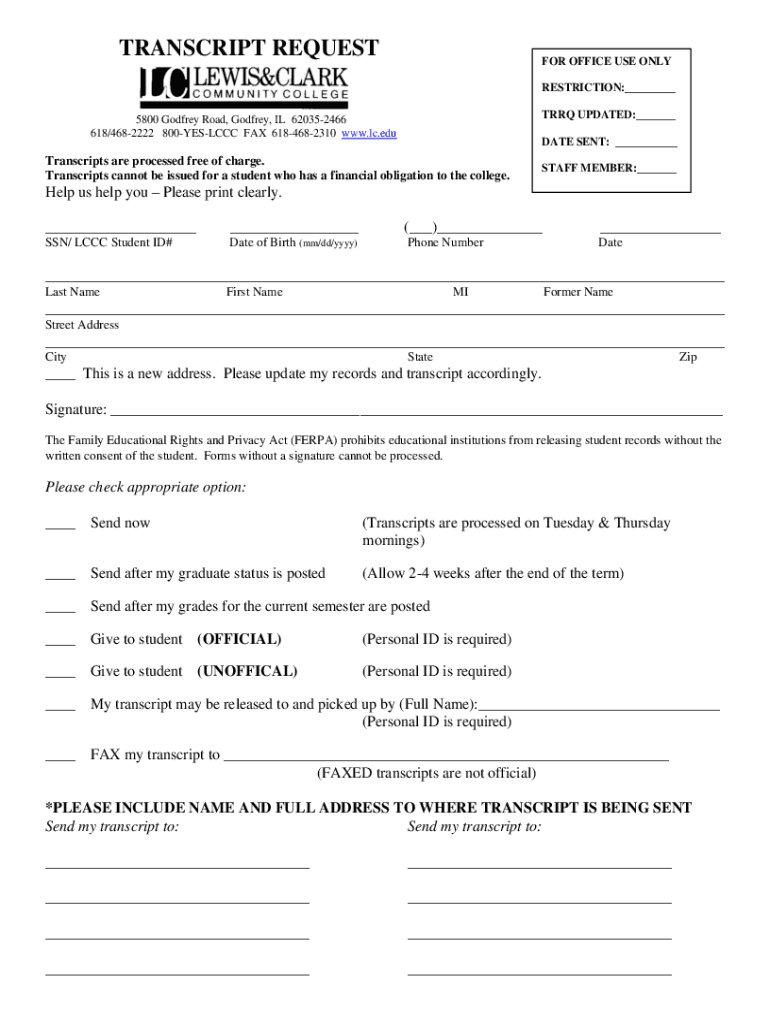







Definition and Purpose of the Concurrent Enrollment Form
The Concurrent Enrollment Form is a critical document used by high school students who seek to enroll in college courses while still completing their secondary education. At Lewis and Clark Community College (lc.edu), this form not only initiates the process but also serves as an agreement between the student, the high school, and the college. It allows students to earn college-level credits, providing them with an opportunity to advance their education and potentially save on tuition costs in the long run.
Components of the Form
- Student Information: Includes personal details such as name, address, and high school identification number.
- Course Selection: Lists the specific college courses the student intends to enroll in.
- Authorization Section: Requires signatures from the student, a parent or guardian, a high school representative, and a college advisor.
Benefits
- Accelerates educational trajectory by earning college credits early.
- Offers exposure to college-level coursework and environments.
- Can result in cost savings on future college expenses.
How to Use the Concurrent Enrollment Form
Successfully using the Concurrent Enrollment Form involves several key steps, from filling it out accurately to understanding its broader implications. This process ensures that students can seamlessly transition into college courses.
Detailed Instructions
- Complete Personal Information: Ensure all student details are accurate.
- Select Appropriate Courses: Consult with a guidance counselor to choose courses aligned with academic goals.
- Obtain Required Signatures: Gather the necessary endorsements from parents, school officials, and college representatives.
- Submit the Form: Send it to the designated office at Lewis and Clark Community College before the deadline.
Considerations
- Ensure all information is current and updates are communicated promptly.
- Verify course prerequisites and availability with the college.
Steps to Complete the Concurrent Enrollment Form
Guidance on how to correctly fill out and submit the Concurrent Enrollment Form can prevent delays and ensure eligibility.
Completion Process
- Gather Necessary Information and Documents: Student transcripts, identification numbers, and parental consent are essential.
- Contact Guidance Counselor: Arrange a meeting to discuss course offerings and their relevance to future academic plans.
- Fill Out the Form: Enter all information neatly, ensuring clarity and accuracy in every section.
- Secure Signatures: Follow up with each party responsible for signing to ensure compliance.
- Submit Before Deadline: Depending on form instructions, submission could be via mail, in person, or online.
Tips
- Double-check for any incomplete sections before submission.
- Keep copies of the filled form and all correspondences related to it.
Importance of the Concurrent Enrollment Form
The Concurrent Enrollment Form plays a pivotal role in a student’s educational journey by allowing early exposure to college coursework.
Why It’s Important
- Academic Advantages: Students gain firsthand college experience.
- Financial Benefits: Costs for these courses are typically lower than traditional college fees.
- Time Management Skills: Balancing high school and college courses instills essential life skills.
Real-World Impact
- Many students enter college with credits that shorten the time needed to complete a degree, reducing overall educational costs.
Who Typically Uses the Concurrent Enrollment Form
Understanding the typical users of this form can clarify its intended audience and usage context.


Target Users
- High School Students: Primarily juniors and seniors aiming to advance their education.
- Parents and Guardians: Involved in monitoring and supporting the student's pathway.
- High School Counselors: Assist in course selection and form completion.
Institutional Involvement
- High Schools: Monitor student progress and coordinate with colleges.
- Community Colleges: Provide support and resources for enrolled students.
Key Elements of the Form
Familiarizing yourself with the essential components of the Concurrent Enrollment Form can help prevent errors and streamline the enrollment process.
Essential Sections
- Student Personal Information: Basic identifying details vital for college records.
- Course Requests: Specifies conditions under which a student can enroll in particular college classes.
- Approvals: Ensures all stakeholders acknowledge and consent to the student's participation.
Priority Actions
- Ensuring completeness and accuracy in all entered data.
- Following up regularly with responsible parties for necessary endorsements.
Form Submission Methods
There are multiple ways to submit the Concurrent Enrollment Form, each with specific requirements and steps to follow.
Available Submission Methods
- Online Submission: Often the quickest, with immediate confirmation of receipt.
- Physical Mail: Requires attention to postage and deadlines.
- In-Person Drop-off: Offers the opportunity for immediate feedback and clarification.
Considerations
- Regardless of the method, ensure you receive and keep confirmation of submission.
- Verify submission requirements and deadlines, as these can vary each semester.
Legal and Compliance Aspects of the Concurrent Enrollment Form
Understanding the legal framework surrounding this form ensures compliance with educational standards and regulations.
Legal Framework
- FERPA Compliance: Student data is protected, with consent required for information sharing.
- Agreements: Signatures on the form act as acknowledgment of terms and conditions set by the educational institutions involved.
Key Regulations
- Students must maintain satisfactory academic progress in both high school and college courses to remain eligible for concurrent enrollment.
Best Practices
- Familiarize all parties with their rights and responsibilities under the agreement.
- Ensure all legal documents are clearly understood and properly executed.




