
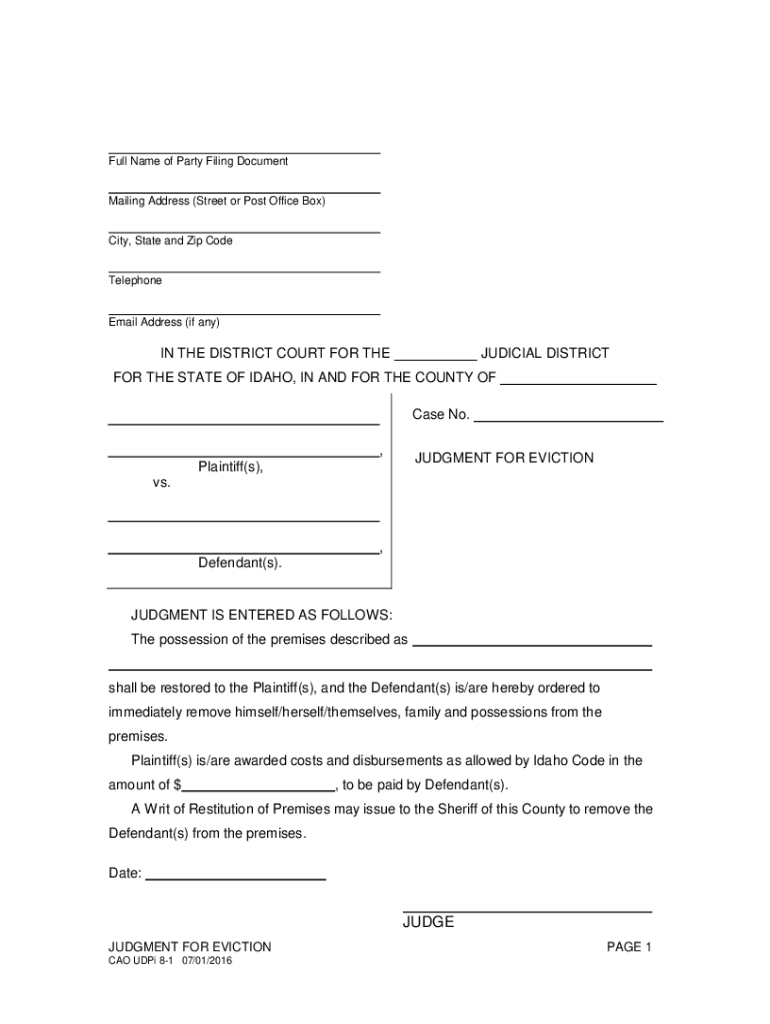







Definition and Meaning of "The Possession of the Premises Described as"
"The possession of the premises described as" refers to the legal act of obtaining control over a specific property. This phrase is commonly used in real estate and legal documents to denote the right of an individual or entity to occupy and use a particular space. It is essential in the context of lease agreements, property disputes, and eviction processes. The possession indicates not just physical occupancy but also includes the rights and responsibilities associated with the use of that property.
Understanding this term is crucial for both landlords and tenants to comprehend their rights and obligations. In legal contexts, possessing a premise can impact proceedings related to tenant evictions, where a court may order the return of possession to a landlord. The term underscores the nature of control that a party has over property, significantly impacting transactions and legal judgments.
How to Use "The Possession of the Premises Described as"
To correctly use "the possession of the premises described as," it's vital to understand its application within documents and legal contexts. In leases, this phrase outlines the scope of tenant rights and timeframe of their occupancy. It clearly demarcates the space and outlines responsibilities and permissible actions within said premises.
Legal professionals often use this term to draft agreements and to set legal boundaries in property disputes. When drafting documents, such as rental agreements, it is necessary to delineate the address and dimensions of the space being occupied to avoid ambiguous interpretations. By explicitly stating these details, parties ensure transparency and prevent potential disputes.
Steps to Complete "The Possession of the Premises Described as" Process
-
Identify the Premises: Begin by clearly describing the property in question, including its address and any other identifiers.
-
Establish Legal Rights: Determine and record the legal basis for possession. This could include ownership deeds, lease agreements, or court orders.
-
Documentation: Prepare necessary legal documents that outline possession rights, identification details of parties involved, and the scope of usage.
-
Signatures: Ensure all relevant parties sign the documents to legitimize the possession.
-
File and Record: Submit the documents to relevant authorities, such as local real estate boards or courts, where applicable.
-
Fulfillment of Obligations: Both parties should remain compliant with the terms outlined in the documents, including maintenance of the premises and financial obligations.
Legal Use of "The Possession of the Premises Described as"
Legal applications of "the possession of the premises described as" involve real estate transactions, eviction processes, and lease agreements. In these documents, the term clearly defines who holds legal control over the property, thus preventing any unauthorized use. It can be a decisive factor in disputes adjudicated in courts, where judges might issue a Writ of Restitution to enforce possession rights.
For landlords, it serves as a basis for enforcing lease conditions and planning evictions if tenants violate terms. Tenants rely on this term to safeguard their residency and utilize legal recourse if their possession rights are threatened unjustly. Its clarity in legal documentation helps manage and uphold property rights within regulatory frameworks.
Key Elements of "The Possession of the Premises Described as"
- Physical Description: Exact description of the premises, including location and boundaries.
- Legal Authority: Documents supporting the right to possess, such as deeds or contracts.
- Duration: Specific time period during which possession is granted.
- Responsibilities: Obligations of the possessor, such as maintenance and financial duties.
- Conditions of Use: Permitted activities and modifications that the possessor may conduct within the premises.
Understanding these elements aids in effectively crafting and enforcing property agreements, reducing legal complications, and ensuring an amicable relationship between involved parties.
Examples of Using "The Possession of the Premises Described as"
-
Eviction Notices: In legal eviction notices, a landlord demands the tenant to return possession of the premises, often citing breach of contract as the cause.
-
Lease Agreements: In commercial leases, businesses are granted possession necessary for operations, contingent upon compliance with property usage guidelines.
State-Specific Rules for "The Possession of the Premises Described as"
In the U.S., rules regarding possession can vary widely among states. While the central idea remains consistent, specific statutes govern lease terms, eviction procedures, and resolution of disputes. For example, some states require longer notice periods for evictions, whereas others may have distinct forms or processes for recording possession changes. Understanding state-specific laws ensure compliance and avoidance of legal pitfalls. Always consult local regulations or a legal expert when drafting documents to account for regional differences.
Required Documents for Establishing "The Possession of the Premises Described as"
- Lease or Rental Agreement: Details terms of possession, obligations, and duration.
- Property Deed: Establishes ownership and rights over the described premises.
- Court Orders: For cases involving contested possession or evictions.
Collecting and properly submitting these documents prevents disputes over possession rights and serves as legal evidence in conflicts. Accurate documentation is vital for legal verifiability and to uphold the conditions agreed upon by the involved parties.




